




You are staring at a repair bill for an aging air conditioner, wondering if this is the final fix or just the start of a series of expensive call-outs. Deciding between a patch-up and a full replacement is a high-stakes calculation that balances immediate cash flow against long-term operational reliability. If your repair costs exceed 30% of the price of a new split system installation or if your current unit is over 10 years old, replacing the system is the only path to genuine energy efficiency and reliability.
split system installation
Why 10 Years Is Critical
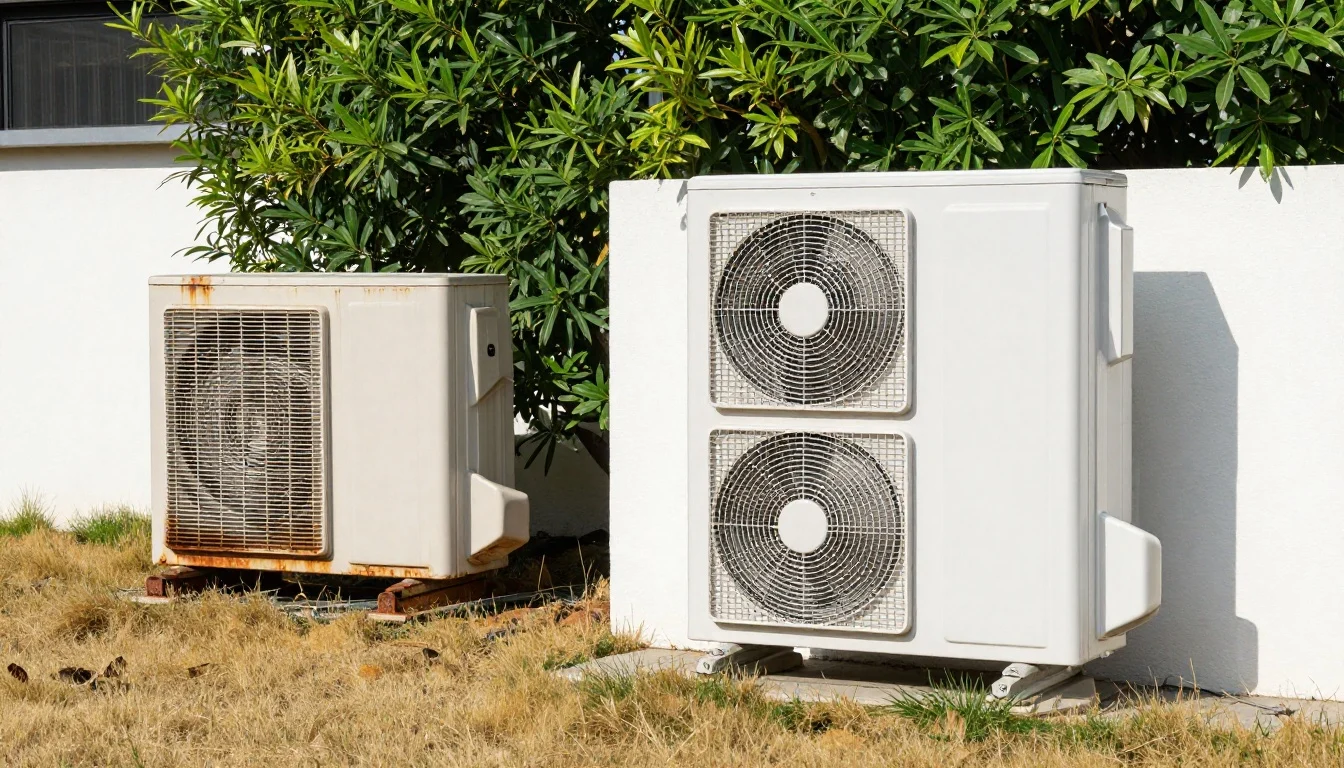
Air conditioning units are mechanical workhorses, but they have a finite operational lifespan. Once a system passes the ten-year mark, the internal components—specifically the compressor, blower motor, and printed circuit boards—reach a state of terminal fatigue. In our experience, units of this vintage are rarely just “dirty”; they are suffering from micro-fractures in the coils and worn bearings that lead to recurring issues. You will notice this through increased noise, longer cooling cycles, and a persistent inability to dehumidify the air as effectively as when the system was new. Past this decade-long milestone, you are no longer paying for maintenance; you are paying for the inevitability of total system failure.
The 30% Financial Failure Threshold
We use a simple metric to determine if a repair is worth the investment. If a technician quotes you a price that hits or exceeds 30% of the cost of a modern, energy-efficient replacement, you are effectively throwing money at a depreciating asset. Repairing an old unit leaves you with an aging compressor, brittle plastic casings, and corroded electrical terminals. A professional split system installation provides a clean slate, a full manufacturer warranty, and the assurance that comes with a machine not yet fatigued by thousands of hours of operation.
The Hidden Cost of R22
If your unit requires a refrigerant top-up, check the data plate on the outdoor condenser for the refrigerant type. If it lists R22, you are in a difficult position. R22 is an ozone-depleting substance that has been phased out of production. Because it is no longer manufactured, the remaining supply is exorbitantly expensive and increasingly difficult to source. If your unit is leaking R22, any attempt to simply “re-gas” the system is a temporary, costly patch that ignores the reality of the leak. Replacing the system is the only way to transition to modern, eco-friendly R32 refrigerant, which is significantly more efficient, safer, and cheaper to service.
split system installation — what matters
Moving From Fixed-Speed to Inverter
Older air conditioners typically run on fixed-speed technology, meaning they operate on a binary basis—either blasting at 100% capacity or sitting idle. This constant “stop-start” cycling creates massive energy spikes and inconsistent room temperatures. Modern inverter systems function differently by modulating their motor speed to match the precise cooling demand of the room. By slowing down as your space reaches the target temperature, they prevent the massive energy surge caused by frequent compressor restarts. Upgrading provides an immediate jump in energy efficiency, regardless of how well you have maintained an older, fixed-speed unit.

Electrical Compliance and Safety
Your current AC unit might be running, but it may not be safe by today’s standards. Many Brisbane homes with older cooling systems lack the required dedicated electrical safety switches or the appropriately rated cabling demanded by current building codes. When we perform a split system installation, we do not just mount a unit on the wall. We ensure the entire circuit is compliant, protected by modern RCDs (residual current devices), and sized correctly for the current load. Attempting to force a modern, high-efficiency unit onto an outdated electrical foundation is a fire risk that no repair technician can fix with a simple service call.
Decision Matrix for Brisbane Homeowners
Before you commit to another repair, evaluate your current system against these three criteria:
- The Age Factor: If the unit is older than 10 years, it is reaching the end of its designed service life.
- The Cost Factor: If the repair quote is more than 30% of a new unit’s purchase price, the repair is an irrational financial investment.
- The Refrigerant Factor: If the unit uses R22 gas, the system is obsolete; prioritize replacement over any attempt to patch a leak.
Your Next Step
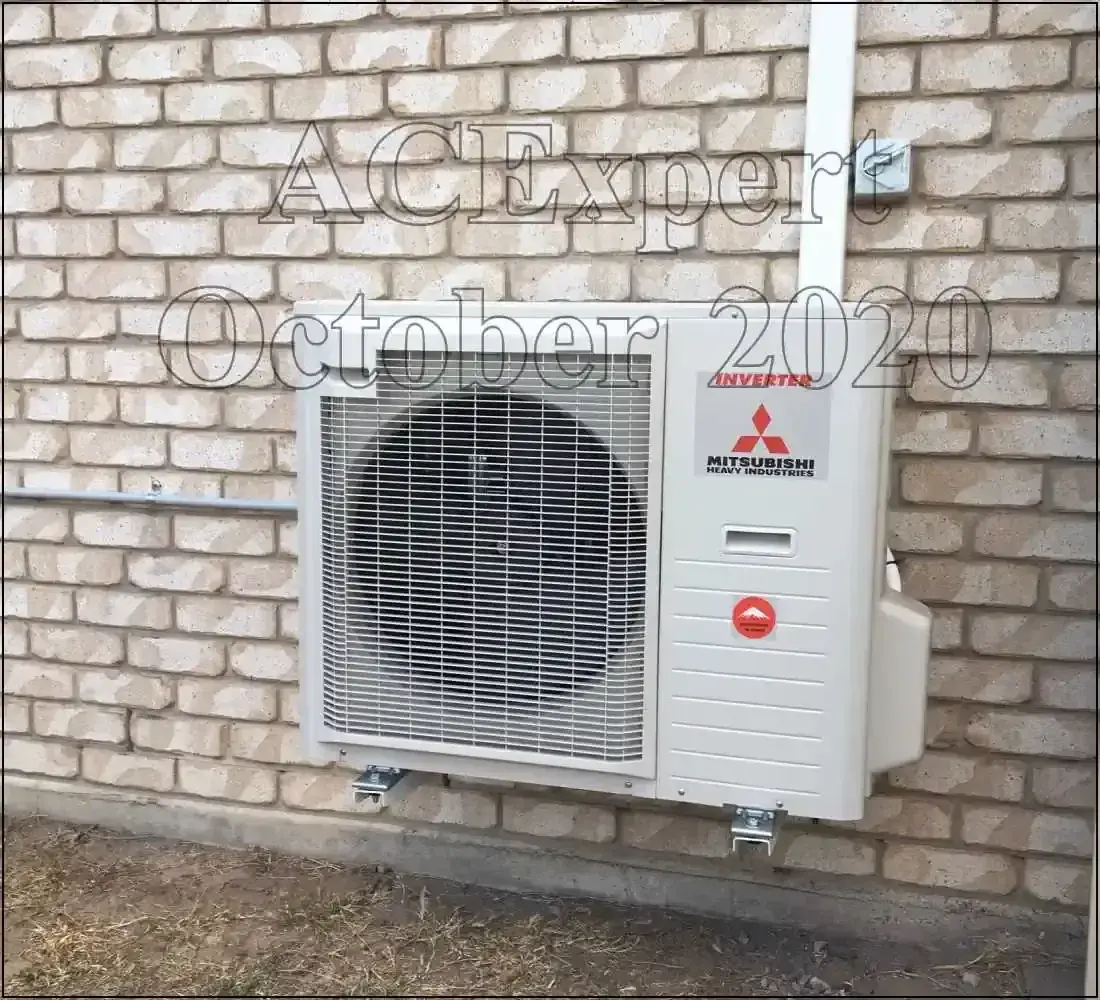
Before calling us for a quote, locate the data plate on your outdoor unit—it is usually a silver or white sticker on the side or back of the condenser. Note the model number, the “manufactured date” or “installation date” if recorded, and the “refrigerant” type listed on the label. Having this information ready allows us to confirm whether your system is a candidate for cost-effective repair or if it is time to upgrade. When you are ready to move forward, call us at 0420 718 827 to discuss your specific home layout and current system status.
A closer look at split system installation


.jpg "Split System Air Conditioning: When to Repair or Replace in Brisbane")