




The old unit is still on the wall
You’ve picked the new split system, the install date is booked, and then it hits you — the old unit is still on the wall, and nobody has said who is taking it down or where it goes. That gap between “old system out” and “new system in” is where most replace-in-place jobs go off-script. The unit on your wall is more than a metal box; it holds refrigerant, electrical wiring, and pipework that’s been in place for years, and how it’s removed sets the tone for everything that follows.
The refrigerant rule nobody mentions
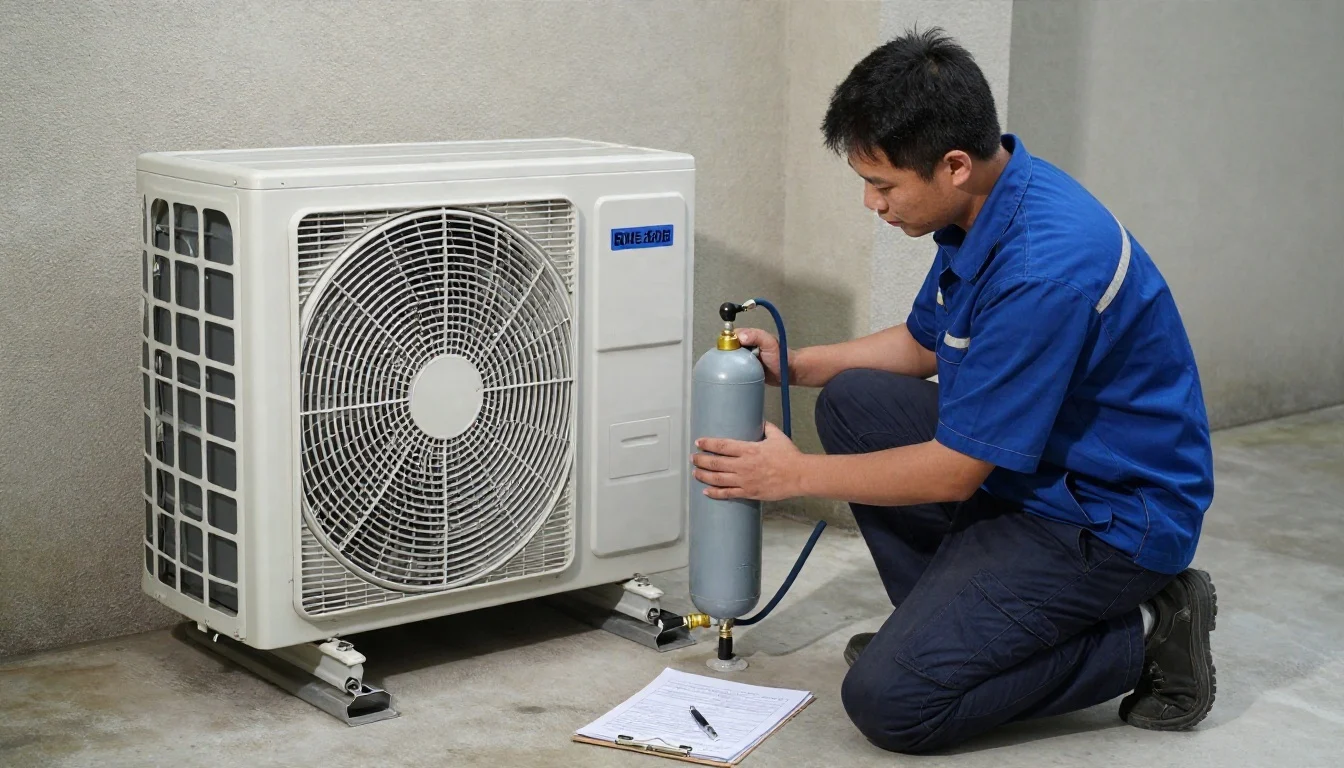
Under Australia’s ozone and synthetic greenhouse gas legislation, refrigerant in your old unit must be recovered by a licensed technician, not vented. This is not a courtesy — it is a legal requirement, and the technician who releases it faces fines. If someone offers to “just take the old one away” without mentioning refrigerant recovery, that’s the warning sign. It rules out a homeowner, a general handyman, or an unlicensed labourer doing this part of the job. Recovery requires the right machine, the right licence class, and a record that the gas went somewhere legal.
What happens on removal day
The decommissioning sequence matters because each step depends on the one before it. Refrigerant is pumped down or recovered first, while the system is still running and the valves can be closed. Only then is the circuit isolated at the switchboard. Pipework and wiring come off last. This order is why removal almost always happens immediately before the new install — not days earlier. A system drained of refrigerant, capped off, and left sitting for a week invites moisture, debris, and a leak-test failure when the new unit goes on. If your installer suggests dropping the old unit off the wall on Monday and coming back Thursday, ask why.
What the quote must say, in writing
“Removal” is one of those words that means different things to different people. A quote that says “remove old unit” without spelling out what that includes is a quote that will produce a variation on install day. Get the line item to say, at minimum:
- Old indoor unit taken down and taken away
- Old outdoor unit taken down (or off its stand) and taken away
- Old wall bracket removed, not left in place
- Old pipe penetration either sealed or noted for the new install
- Old pipework and cable — reused or replaced, and who decides
Reusing old pipework on a new unit is the single most common flashpoint in replace-in-place work. New refrigerant oil types aren’t always compatible with the residue in old lines, and the insulation on a decade-old cable run is past its best. If your quote doesn’t say “new pipework and new cable,” assume the old ones are being reused and ask why.
The wall after the old unit
The old indoor unit’s bracket screws and the old pipe penetration almost never line up with the new unit. Bracket spacing differs by manufacturer, and modern indoor heads are often wider or shallower than what they replace. Decide in advance — not on the day — what happens to the old holes. Three workable options exist:
- Patch and paint the old penetration so the wall is clean before the new backplate goes up
- Leave the old penetration sealed behind the new backplate and forget about it
- Use the same penetration for the new pipework if the size and location actually line up
If your quote doesn’t mention patching or painting, the answer is “none of the above” and you’ll be ringing a plasterer the week after install. Whoever does the wall repair — the installer, a separate trade, or you — needs to be named on the quote before work starts.

Ground level versus wall-mounted outdoor
Where the old outdoor unit sits changes the removal job materially. A unit on a ground pad or concrete plinth is a disconnection, a lift, and a wheel-away. A unit on a wall bracket, on a roof-mounted stand, or above head height is a working-at-height job with a heavier, awkward load coming down a ladder or over a rail. The time, the labour, and the risk are different, and so is the cost.
Removal and disposal as its own line
Removal and disposal is extra labour plus a tip fee, on top of the installation itself. Bundled into the install price, it disappears from view — which is exactly why it gets skipped, debated, or invoiced as a “variation” mid-job. Ask for it as a separate line item on the quote, alongside the new split system installation. That way you can compare quotes on equal terms, and you know the work is actually included rather than implied.

One visit, same installer, written down
The cleanest way to handle an old aircon removal is to have it done in the same visit as the new install, by the same installer, with the refrigerant recovery, the decommissioning sequence, the wall repair decision, and the disposal all written into one quote. That’s how the old unit comes down legally, the new unit goes up correctly, and the wall ends up looking like only one system ever lived there.


