

The bills arrive, the household agrees to use the aircon less, and by January everyone is sleeping badly while the split system is still the thing being blamed. The question worth asking first is whether the system is genuinely expensive to run, or just being run expensively. For most Brisbane homes staring at a summer bill, the answer is the second one. Once that is established, the conversation shifts from rationing to fixing.
Running cooling in short, desperate bursts is the most expensive way to use a split system. A unit that has been off all afternoon has to work much harder to pull stored heat out of furniture, walls and floors than a unit that has been holding a steady temperature all day. Saving a few dollars on the bill while losing sleep and comfort is a bad trade, and it does not even save money. Split system running costs come down far more to sizing, setpoint and basic upkeep than to how often the unit is switched on and off.
Setpoints Beat Switching Off
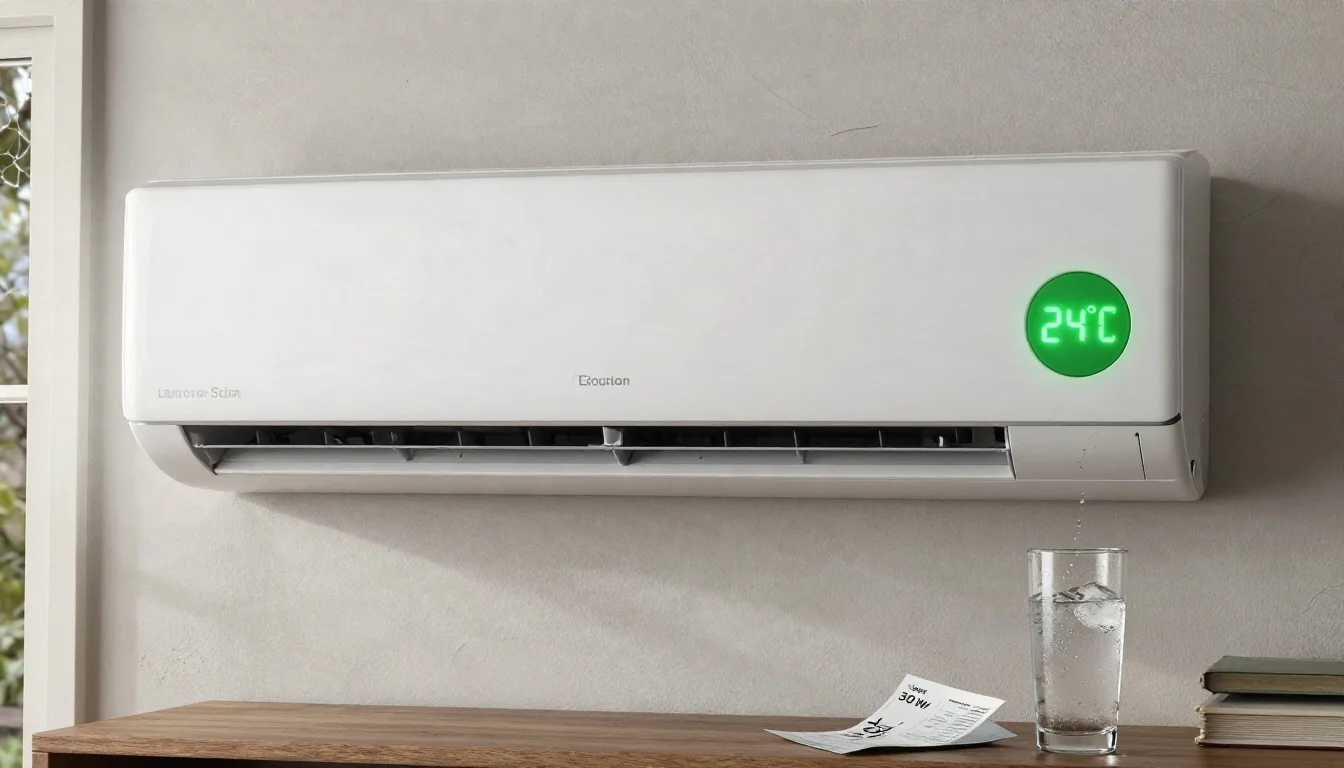
Each degree the thermostat is raised saves roughly 5–10% of cooling energy, depending on outdoor conditions and how well the home is shaded and sealed. In Brisbane’s humidity, 24–25°C with the fan on auto is the practical comfort line — cool enough to sleep under a sheet, warm enough that the compressor is not fighting itself.
Two habits look efficient but are not. Setting the unit to 20°C for an hour to “chill the room down fast” just runs the compressor flat-out and still leaves the room warmer than the body wants once the unit is turned back up.
Size Matters More Than the Badge
An oversized split system reaches setpoint quickly and then short-cycles. The room feels clammy because the unit did not run long enough to pull moisture out of the air, so the thermostat gets turned down further, which makes the cycling worse. A correctly sized unit runs longer, quieter and at a steadier output, and uses less power for the same comfort.
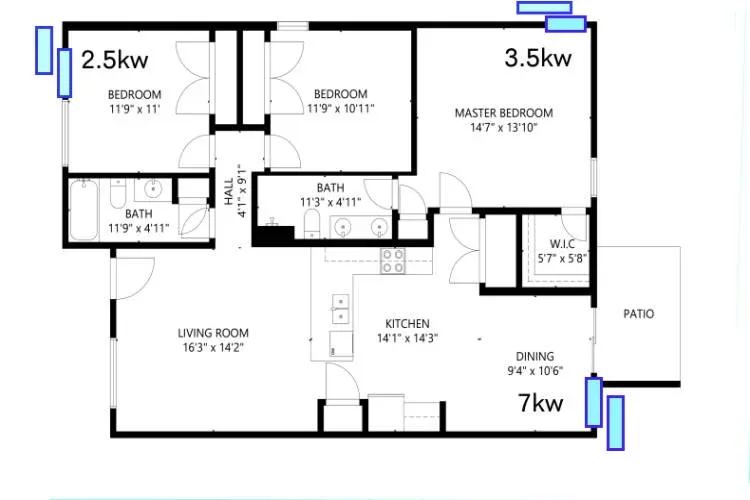
Identical kW ratings from different brands can still differ in running cost because compressor, inverter logic and coil design vary. When comparing quotes, the question worth asking is not “is this a good brand” but what capacity is justified for this specific room. Ask for the capacity justification, not just the model number. A load calculation that accounts for ceiling height, west-facing glass and the room’s position in the house is the only answer worth paying attention to.
Three Checks Before Booking Anyone
Before calling a technician, work through three checks. Each one raises running cost without throwing a fault code.
- Wash the indoor filters every two to four weeks through summer. A clogged filter chokes airflow, which forces the fan motor harder and lets the evaporator ice up at the edges.
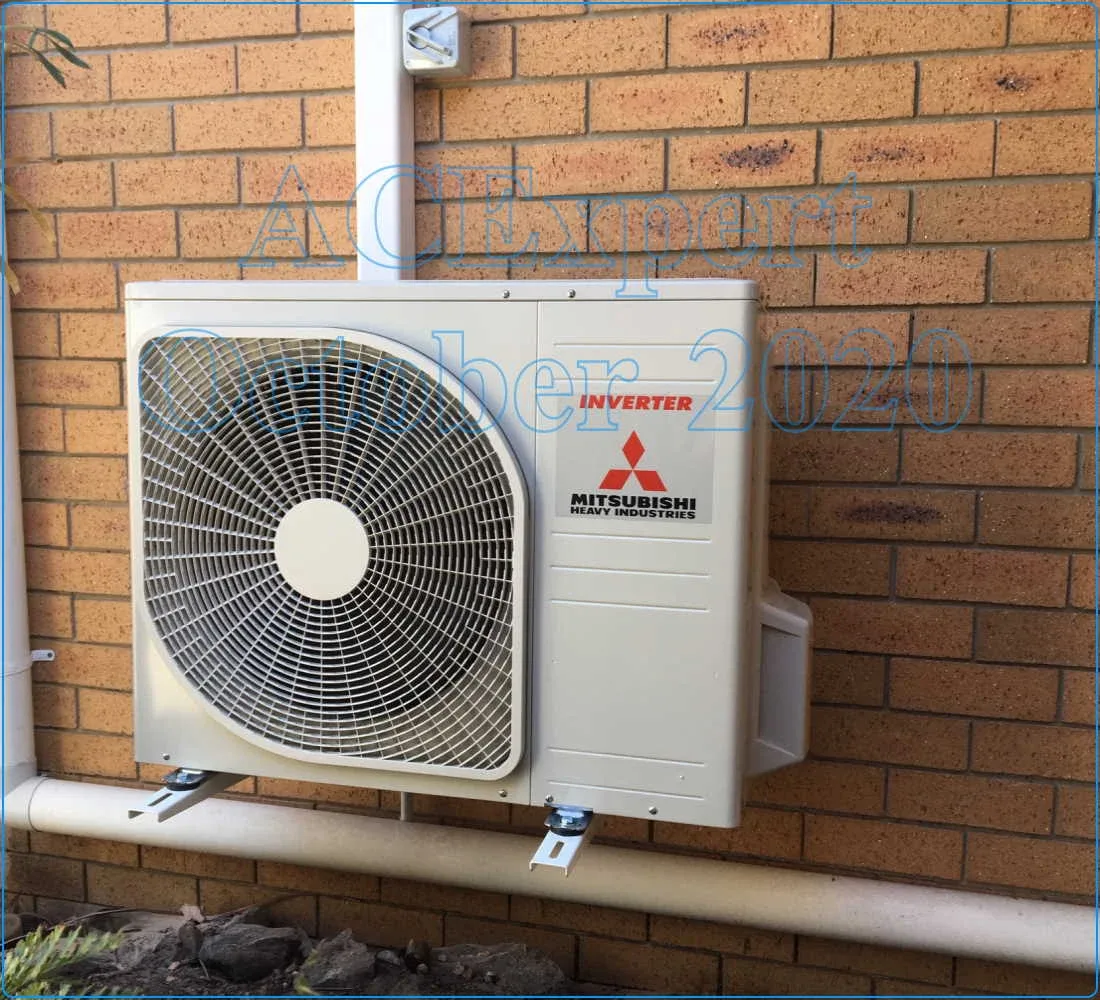
- Clear leaf litter from around the outdoor unit and confirm there is airflow clearance on all sides. A coil blocked by mulch, leaves or pet hair cannot reject heat properly, and the unit pays for it in extra run time.
- Look for icing or a visibly dirty coil. If the plastic housing around the indoor outlet is frosted or dripping when it should not be, the system has lost capacity and is being run into damage. Stop using it on cool mode and book a service before the compressor is harmed.
Placement Is a Running-Cost Decision
An outdoor unit bolted to a west-facing brick wall in full afternoon sun works against radiated heat all day. Boxing the same unit into a tight laundry alcove removes the airflow it needs to dump heat. Both situations show up as higher kilowatt-hours, not as anything obviously wrong with the system.
Indoor head placement matters just as much. A head blowing straight across the room into the return grille short-circuits the airflow and makes the unit run longer. A head trying to fight a west-facing window runs almost constantly on hot afternoons. Both can usually be reconsidered before a replacement is on the table.
When Replacement Beats Another Service
Another service call stops being the right answer once the unit itself is the problem. Replacement usually beats repair when:
- The unit is old enough that it predates current efficiency labelling — running costs are baked into the design, not just the condition.
- It has needed refrigerant top-ups, which means a leak somewhere and reduced effective capacity.
- It is being asked to cool a room or a house it was never sized for, which is common after renovations, extensions or a unit replaced “because the old one was the same size”.
Before committing to a replacement, confirm the existing circuit and switchboard can carry the new unit. A dedicated circuit, a correctly rated breaker, and an isolator within reach of the outdoor unit are not optional extras — if a quote omits them, that is where running costs quietly climb later.
What a Proper Quote Should Tell You
Three lines in writing separate a real quote from a price:
- A load calculation showing what capacity is justified for the room, not just a “same as the old one” match.
- The model number, so the efficiency rating can be checked against the current register before work begins.
- Confirmation of the install scope — bracket, drain, isolator and circuit — listed as part of the job, not assumed.

Start With Sizing, Not a Service Call
The cheapest kilowatt-hour is the one the system never had to buy. Before booking a repair, or rationing another month, the conversation to have with an installer is straightforward: given this room, this orientation and this existing electrical setup, what capacity makes sense, and will the current switchboard and circuit carry it cleanly. That conversation, done before the first February heatwave, is where the next twelve months of running cost are actually decided — and it is where a proper sizing-and-suitability check pays for itself long before any installation is booked.