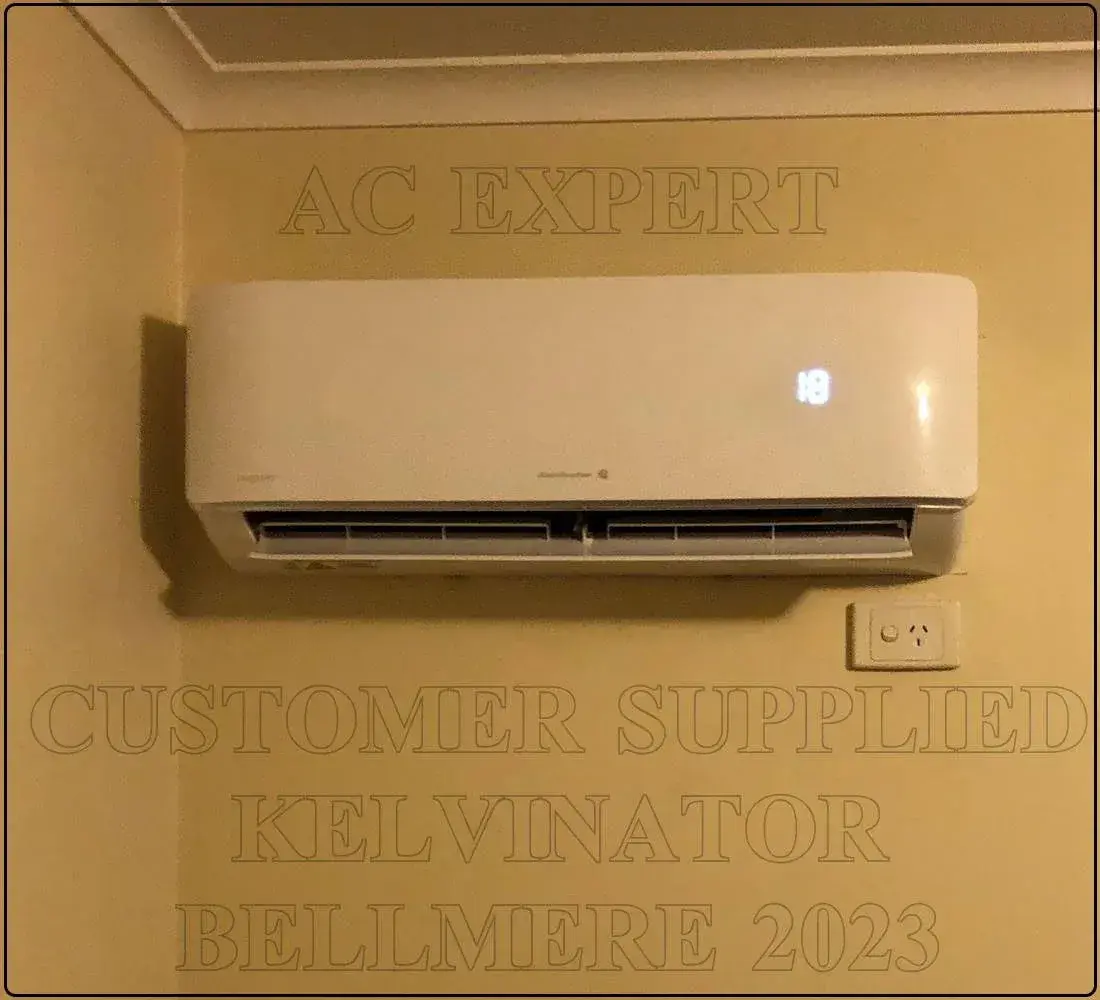


A tenant emails you in August asking for aircon in the front bedroom of a 1920s Queenslander in Red Hill. The unit under the window is twenty years old, dodgy, and cooling-only. You have just read that Queensland is moving toward mandatory energy efficiency standards for rentals. The question is no longer whether to install — it is what to install, when, and how to make it count under the proposed framework. This guide walks through what reverse-cycle aircon Brisbane rules actually mean at the quote stage, who pays, and how to sequence the work so it does not derail a tenancy.
Is the standard actually law yet?
No. Queensland has released a proposed rental energy efficiency framework — commonly referenced as the Fit to Rent roadmap, prepared for the Queensland Council of Social Service by Renew — but it has not been enacted. What it does is group reverse-cycle air conditioning with insulation, draught sealing, external shading, heat-pump hot water and solar as a package of “moderate upgrades”. The standard is judged on combined bill savings and indoor temperature outcomes, not on any single appliance being mandatory. For landlords, the practical read is: aircon will not be required on its own, but it is part of a bundle the regulator will eventually look at as a whole. Plan accordingly.
What the roadmap’s numbers actually say
The roadmap’s central finding is that the moderate-upgrade package — ceiling insulation, draught sealing, a reverse-cycle split system, and the other items listed above — cuts household energy bills by two-thirds to three-quarters across all Queensland climate zones studied. More useful for compliance planning: those same upgrades hold indoor temperatures within the healthy 18–25.5°C band, which is the thermal-comfort range the framework points to. In most of the three Queensland locations modelled, the annual bill savings are greater than the annual cost of financing the upgrades. That is the arithmetic a landlord can put in front of a lender, and the same arithmetic a tenant can put in front of a property manager in a written request.
Reverse-cycle, not cooling-only
This is where most Brisbane rentals quietly fall short. A cooling-only split system handles half of the 18–25.5°C band — the summer half — and ignores the winter half. An older Queenslander on the north side of a hill will still drift below 18°C on July nights without a heater. Specify reverse-cycle from the quote stage, not as an afterthought. The difference is in the model number and the price of the indoor coil; the install labour, the pipe run, the switchboard demand and the wall core-hole are all the same. If the quote says “cooling only”, ask for the reverse-cycle equivalent before signing.
Who pays, and how it is recovered
The roadmap frames upgrades against annual financing cost, which is the landlord’s frame. The tenant’s lever is a written request that names three things: the room, the existing unit’s age and condition, and the winter heating gap. “Aircon would be nice” gets filed. “The bedroom of 12 m² has a 20-year-old cooling-only wall unit and drops to 14°C overnight in July” gets a meeting.

Sequencing the install around the tenancy
Three decisions decide whether the job is a half-day on a Tuesday or a rescheduled mess:
- Book the install for a changeover or a planned vacancy window. A weekend swap without tenant coordination usually fails on access and on the agreed removal of the old unit.
- Confirm the switchboard can carry the new unit before the date is set. A shared circuit or an aged ceramic fuse board will stall the job on the day and force a switchboard upgrade the budget did not allow for.
- Confirm in writing who removes and decommissions the existing unit. Refrigerant recovery is regulated work; it is not a DIY task and it is rarely covered by a tenant. Get the name of the licensed technician doing the recovery in the quote, not as a footnote.
Sizing and placement as a compliance risk
The bill-savings case the standard is built on collapses if the unit is wrong for the room or badly placed. Oversizing causes short-cycling — the unit hits setpoint in three minutes, dumps cold air, and never dehumidifies properly. Undersizing runs flat-out through February. Size to the room, not to the same capacity the previous tenant had. These decisions determine whether the upgrade performs as the roadmap predicts — or quietly costs the landlord the savings it was supposed to deliver.

Next step for landlords and tenants
Before booking an install date, get a written quote that specifies the model number as reverse-cycle, the capacity suited to the room’s heat load, the switchboard circuit it will land on, and whether the old unit’s refrigerant recovery is included. Send the room, the existing unit’s age, and the winter low temperature in writing to the other party. Then phone 0420 718 827 with the quote in hand so the installation date, the switchboard check and the decommissioning of the old unit are all locked in before the next tenancy starts.