



In response to: the original article at hvacrnews.com.au
If you’ve ever peeked into your ceiling cavity and wondered why your air conditioning isn’t quite cutting it, you’re not alone. The world of HVAC installations has its share of head-scratching moments—some so absurd they’d make even the most seasoned tradie do a double-take. A recent gallery of HVAC install fails has surfaced, and let’s just say it’s a masterclass in how not to do the job. From squashed ducts to “satisfied ceilings,” these blunders are equal parts hilarious and horrifying. But beyond the laughs, they serve as a stark reminder: not all installations are created equal, and cutting corners can cost you dearly.
When Ducts Lose Their Shape
Flexible ducting is a marvel of modern HVAC—lightweight, easy to install, and adaptable to tricky spaces. But like any tool, it’s only as good as the hands wielding it. One of the most common fails in the gallery? Ducts squashed flat to “fit” where they clearly don’t belong. Instead of trimming the ducting to the correct length, some installers opt for the brute-force approach: crush it until it submits. The result? Airflow so restricted it might as well be a garden hose with a kink in it.
Here’s the kicker: flexible ducting isn’t meant to be a contortionist. It’s designed to maintain its shape to ensure consistent airflow. When it’s flattened, the air has to fight its way through, forcing your system to work harder, run longer, and guzzle more energy. Over time, that translates to higher power bills and a unit that wears out faster than a marathon runner in a sprint. The lesson? If your installer is treating your ducting like playdough, it’s time to call someone else.
Taped Over, Not Fixed
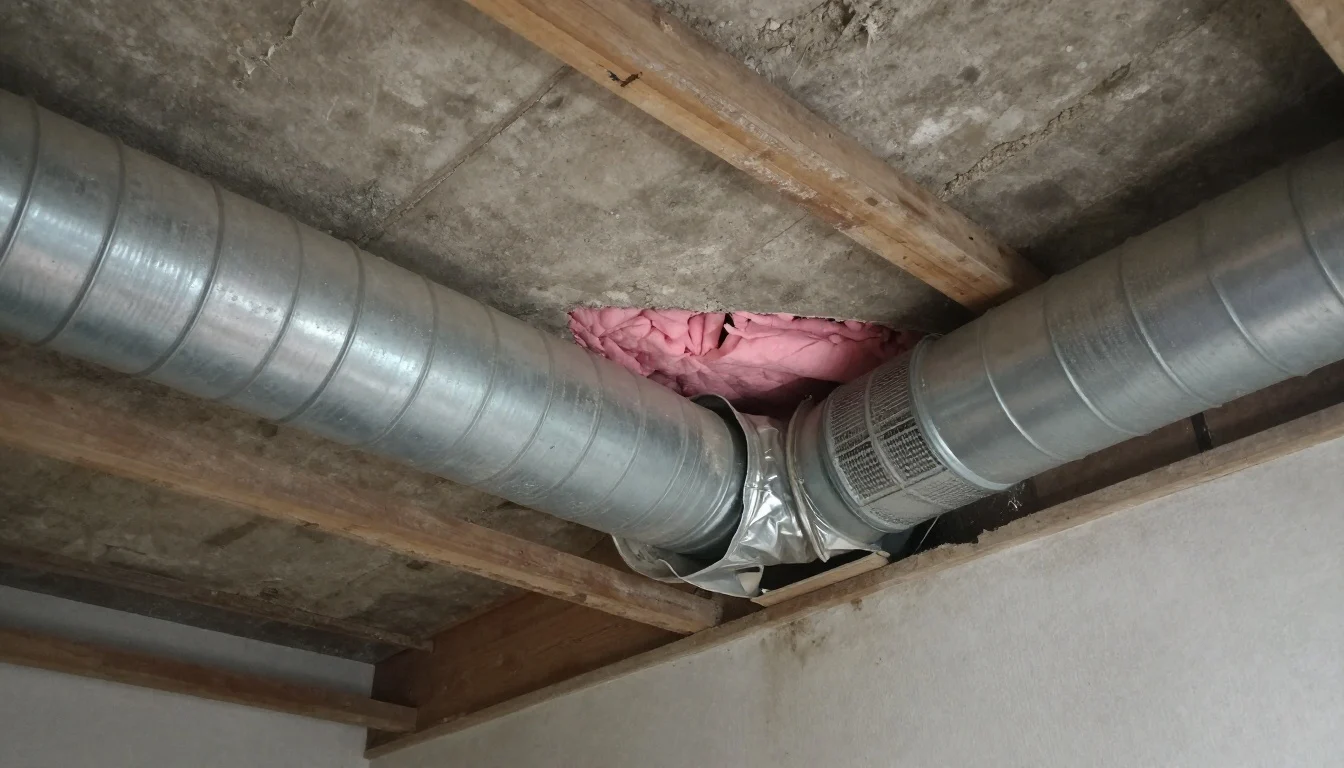
Ah, duct tape—the handyman’s favourite fix-all. In the world of HVAC, though, it’s less “miracle worker” and more “ticking time bomb.” One particularly egregious fail in the gallery showed an installer who simply taped over a disconnected duct instead of reattaching it properly. Sure, it might hold for a while, but duct tape isn’t designed to withstand the constant expansion and contraction of ducting as it heats and cools. Eventually, it’ll peel away like a bad sticker, leaving your conditioned air to vent directly into your ceiling cavity.
This isn’t just a waste of energy; it’s a recipe for moisture buildup in your ceiling space. Warm, humid air meeting cooler surfaces? That’s how you grow mould, and nobody wants a science experiment in their roof. Properly connecting ducting might take a little extra time, but it’s the difference between a system that works and one that’s just waiting to fail.
Air Boots and Ceiling Parties
Ever wondered where your cool air disappears to? In one of the gallery’s standout fails, an air boot (the bit that connects the ducting to your room’s vent) had toppled over in the ceiling cavity. Instead of delivering conditioned air to your living space, it was throwing a private party for the insulation and roof timbers. The submitter’s dry observation? “At least the ceiling space was satisfied.”
It’s a funny line, but the reality isn’t. An air boot that’s not properly secured or aligned can leak conditioned air into places it was never meant to go. That means your system has to run longer to achieve the same temperature, driving up your energy costs and putting unnecessary strain on the unit. Worse still, if the boot is dislodged near a return air grille, it can create a short circuit where the system just recycles the same air instead of conditioning fresh air from the room. The fix? A few screws and a spirit level—hardly rocket science, but apparently easy to overlook.
When Exhaust Ducts Give Up
Kitchen exhaust ducts have one job: remove hot, greasy air from your cooking space. So when one in the gallery was found fully deflated and torn, it’s safe to say it wasn’t doing its job. The culprit? Poor installation. Exhaust ducts need to be properly supported and secured to handle the airflow and temperature changes they’re subjected to. When they’re not, they can sag, tear, or even collapse entirely, leaving your kitchen to deal with the fallout—literally.
A torn exhaust duct doesn’t just fail to remove heat and odours; it can also become a fire hazard. Grease buildup in the ducting is flammable, and if the duct is damaged, that grease can accumulate in places it shouldn’t. Combine that with the high temperatures from cooking, and you’ve got a potential disaster waiting to happen. Proper installation might cost a little more upfront, but it’s a small price to pay for safety and efficiency.
Crushed by Pipework
In another head-scratching fail, a flexible duct was found crushed by a heating water pipe that had been installed too close to a ceiling console unit’s intake. It’s a classic case of “right idea, wrong execution.” HVAC systems and plumbing often share ceiling spaces, but they need to coexist without interfering with each other. When pipes and ducts are installed too close together, something’s got to give—and in this case, it was the ducting.
A crushed duct is a compromised duct. It restricts airflow, reduces efficiency, and can even lead to uneven cooling or heating in your home. The fix? Proper planning and spacing during installation. Pipes and ducts should be routed to avoid contact, and if space is tight, protective barriers or insulation can help prevent damage. It’s not rocket science, but it does require a bit of foresight—and a willingness to do the job right the first time.
Why These Fails Matter
On the surface, these HVAC install fails are good for a laugh. But dig a little deeper, and they reveal a troubling trend: shortcuts that cost homeowners time, money, and comfort. Poor installations don’t just lead to inefficient systems; they can cause long-term damage, from mould growth to premature unit failure. And let’s not forget the safety risks, like fire hazards from damaged exhaust ducts or electrical issues from improperly secured components.
The good news? These fails are entirely preventable. A reputable installer will take the time to measure, cut, and secure ducting properly. They’ll ensure air boots are aligned, exhaust ducts are supported, and pipes aren’t crushing ducts. They’ll also stand by their work, offering warranties and follow-up support if something goes wrong. In short, they’ll treat your installation like the investment it is—not just another job to rush through.
How to Avoid the Fails
So how do you ensure your HVAC installation doesn’t end up in the next “lighter side” gallery? Start by doing your homework. Research installers in your area, read reviews, and ask for references. A good installer won’t just sell you a system; they’ll take the time to assess your home’s layout, insulation, and specific needs to recommend the best solution.
During the installation, don’t be afraid to ask questions. Why is the ducting routed this way? How are the air boots secured? What’s being done to prevent moisture buildup? A professional installer will be happy to explain their process and put your mind at ease. And if something doesn’t look right—like taped-over ducts or squashed flex—speak up. It’s your home, your comfort, and your money on the line.
Finally, remember that the cheapest quote isn’t always the best deal. Cutting corners during installation can cost you far more in the long run, from higher energy bills to costly repairs. Invest in a quality installation upfront, and you’ll save yourself a world of headaches down the track.
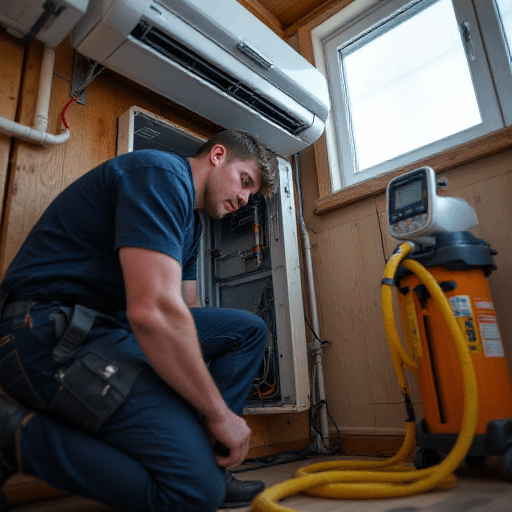
Final Thoughts
The HVAC install fails in this gallery are a reminder that not all installations are created equal. While it’s easy to laugh at the absurdity of a “satisfied ceiling,” the reality is that these shortcuts can have serious consequences for homeowners. From restricted airflow to safety hazards, the cost of a poor installation far outweighs the savings of a quick or cheap job.
If there’s one takeaway from these fails, it’s this: your HVAC system is only as good as its installation. Choose an installer who treats your home with the care it deserves, and you’ll enjoy years of efficient, reliable comfort. And if you ever find yourself peering into your ceiling cavity, keep an eye out for squashed ducts or taped-over fixes—because the only thing that should be satisfied is you.

.jpg "Squashed Ducts and Satisfied Ceilings: The Lighter Side of HVAC Install Fails")