



In response to: the original article at yahoo.com
unlikeliest place a wake up
When headlines warn of bushfires striking an “unlikely country,” it’s a stark reminder that extreme weather knows no borders. For Brisbane homeowners, this isn’t just a distant news story—it’s a wake-up call about the air we breathe every day. While we may not face the same scale of fires as other regions, the impact on indoor air quality is real, and it’s something every household should prepare for. At Air Conditioning Expert Brisbane, we’ve seen firsthand how split system air conditioners can play a crucial role in protecting your family’s health when outdoor air becomes hazardous.
Why Bushfires Hit Hard
Bushfires, even those thousands of kilometres away, can degrade air quality in Brisbane within days. Smoke particles, fine enough to bypass our natural defences, infiltrate homes through gaps in windows, doors, and ventilation systems. These pollutants—PM2.5 and PM10—are linked to respiratory issues, allergies, and long-term health risks, particularly for children, the elderly, and those with pre-existing conditions.
The recent focus on “unlikely” locations for bushfires highlights a troubling trend: no region is immune to climate-driven disasters. While Brisbane’s subtropical climate may not scream “fire risk,” our hot, dry spells create perfect conditions for smoke to linger. When outdoor air quality plummets, indoor spaces become the last line of defence—and that’s where a well-maintained split system air conditioner steps in.
How Air Conditioners Help
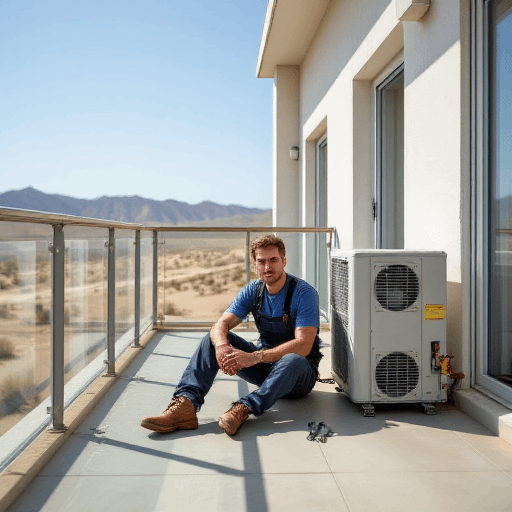
Not all air conditioners are created equal when it comes to filtering smoke. Traditional window units or poorly maintained systems can recirculate contaminated air, doing more harm than good. However, modern split systems equipped with high-quality filters can significantly reduce indoor pollutants. Here’s how:
Filtration Matters Most
Split system air conditioners with HEPA or activated carbon filters are designed to capture fine particles, including smoke, dust, and allergens. These filters work by trapping pollutants before they circulate through your home. For Brisbane homeowners, investing in a unit with advanced filtration isn’t just about comfort—it’s about safety during bushfire season.
Seal the Gaps
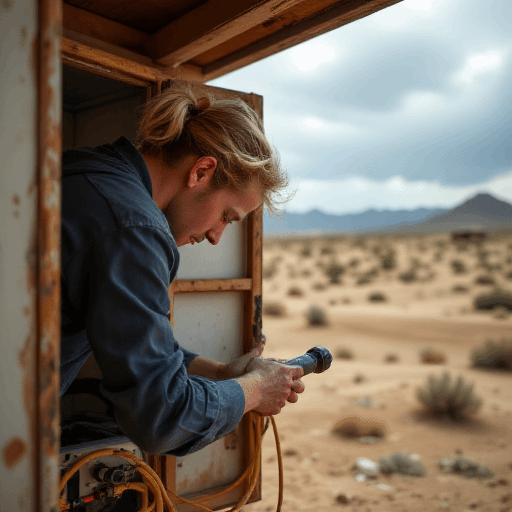
Even the best air conditioner can’t compensate for a leaky home. During periods of poor air quality, ensure windows and doors are sealed tightly. A split system running in “recirculation mode” (where it filters and cools indoor air without drawing in outdoor air) is far more effective when your home is properly insulated. If you’re unsure about your system’s settings, our team can help optimise it for maximum efficiency.
Regular Maintenance
A neglected air conditioner is a liability during bushfire season. Clogged filters, dirty coils, and worn-out components force your system to work harder, reducing its ability to filter pollutants. Scheduling a professional service before the summer heat sets in ensures your unit is ready to handle whatever the season throws at it—whether it’s smoke, pollen, or humidity.
Choosing the Right System
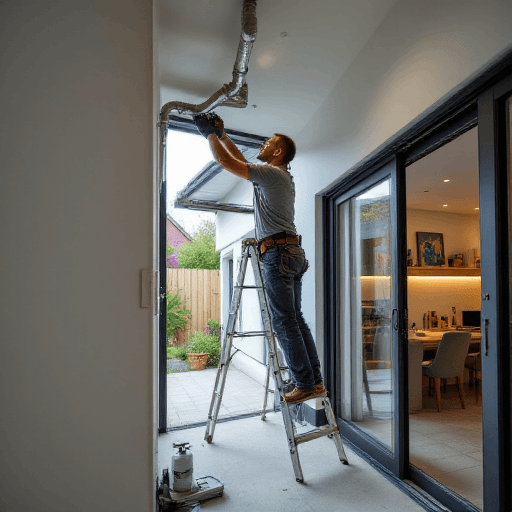
If you’re considering a new split system air conditioner, bushfire resilience should be part of the decision. Here’s what to look for:
Filter Efficiency
Check the MERV (Minimum Efficiency Reporting Value) rating of the filter. A MERV rating of 13 or higher is ideal for capturing smoke particles. Some premium models even offer washable or replaceable filters, making maintenance easier and more cost-effective.
Smart Features
Modern split systems often come with smart sensors that monitor air quality in real time. These systems can automatically adjust fan speeds or switch to recirculation mode when outdoor pollution levels spike. For Brisbane homeowners, this means peace of mind—your air conditioner works harder when it needs to, without you lifting a finger.
unlikeliest place a wake up — what matters
Energy Efficiency
An energy-efficient unit doesn’t just save on electricity bills—it also reduces strain on the system during prolonged use. Look for models with high energy star ratings, which are designed to perform optimally even under demanding conditions. Our team can recommend units that balance efficiency, filtration, and affordability for your home’s specific needs.
Beyond the Air Conditioner
While a split system air conditioner is a powerful tool, it’s not the only way to protect your indoor air quality. Here are a few additional steps Brisbane homeowners can take:
Purifiers and Humidifiers
For homes without central air conditioning, standalone air purifiers can provide an extra layer of defence. Pairing a purifier with a humidifier can also help, as dry air can exacerbate respiratory irritation caused by smoke. However, these should complement—not replace—a well-maintained split system.
Seal and Insulate
Drafty windows and doors let in more than just cold air—they’re entry points for pollutants. Sealing gaps with weather stripping or caulk can improve your home’s airtightness, making your air conditioner’s job easier. If you’re planning a renovation, consider double-glazed windows or insulation upgrades to further enhance indoor air quality.
Stay Informed
During bushfire season, keep an eye on air quality indexes (AQI) for Brisbane. Websites like the Queensland Government’s air quality monitoring page provide real-time updates. When AQI levels rise, limit outdoor activities, keep windows closed, and rely on your air conditioner to maintain a safe indoor environment.
When to Call a Professional
If your air conditioner isn’t performing as it should during poor air quality days, it’s time to call in the experts. Here are signs your system may need attention:
- Unusual odours or musty smells when the unit is running.
- Visible dust or debris blowing from the vents.
- Reduced airflow or inconsistent cooling.
- Higher-than-usual energy bills, which could indicate inefficiency.
At Air Conditioning Expert Brisbane, we specialise in diagnosing and resolving these issues. Whether it’s a filter replacement, duct cleaning, or a full system overhaul, our team ensures your air conditioner is ready to protect your family when it matters most.
Preparing for the Future
The reality is that bushfires—and their impact on air quality—are becoming more frequent and unpredictable. For Brisbane homeowners, this means taking proactive steps to safeguard indoor environments. A split system air conditioner is more than a luxury; it’s an investment in your family’s health and comfort.
If you’re unsure whether your current system is up to the task, or if you’re considering an upgrade, we’re here to help. Our team can assess your home’s needs, recommend the best units for filtration and efficiency, and provide professional installation to ensure optimal performance. Don’t wait for the next bushfire season to find out your air conditioner isn’t up to scratch—act now and breathe easier all year round.
For expert advice on split system air conditioners and indoor air quality, contact Air Conditioning Expert Brisbane today. We’re committed to helping Brisbane homeowners stay cool, comfortable, and safe—no matter what’s happening outside.
Related on this site
- Cooling your home
- Zoned Heating for Winter in Queensland Homes: Warm Rooms, Not Whole Houses
- How Split System Installation Works in Brisbane
- Peaksmart Air Conditioners
.jpg "Bushfires in the Unlikeliest Place: A Wake-Up Call")