




When winter hits southeast Queensland, the instinct is to crank the reverse cycle and hope the whole house warms up. But most homes here aren’t built for cold weather—thin walls, tiled floors, and open-plan living mean heat escapes faster than you’d think. That’s why zoned heating winter Queensland is the smartest way to stay comfortable without burning through your power bill. Instead of heating every room (including the spare bedroom you never touch), zoning lets you send warm air exactly where it’s needed.
zoned heating winter queensland
Why Zoned Heating Makes Sense in Queensland Winters
Queensland winters are mild compared to southern states, but they’re also unpredictable. One day you’re stripping off layers, the next you’re huddled under a doona. A typical ducted system treats the whole house as one big zone, meaning it dumps heat into the hallway, laundry, and that dusty study nobody uses. That’s wasted energy and uneven comfort.
Zoning changes the game. You divide your home into separate areas—living, bedrooms, maybe a rumpus—and heat only the ones you’re using. For a family of four, that might mean warming the living room and two bedrooms while leaving the rest cool. The result? Lower running costs and less wear on the compressor. In SE Queensland, where winter nights drop to single digits but days warm up again, zoned heating gives you the flexibility to heat just the morning spaces and let the rest coast.
How Zoned Heating Works: Ducted vs. Multi-Split
There are two main ways to achieve zoned heating: with a ducted reverse cycle system or with a multi-split system. Both have their place in Queensland homes.
Ducted Zoning
Ducted systems use motorised dampers inside the ductwork. When you select a zone on your thermostat, the dampers close off the ducts to unheated areas, and the air handler only pushes warm air to the open zones. Most modern ducted systems come with at least two zones as standard, but you can add more during installation. Some premium controllers even let you schedule zones, so the bedrooms warm up before you get out of bed.
The catch? Ducted zoning works best when the ceiling is accessible and the floorplan is simple. In Queensland homes with raked ceilings or multiple levels, zoning gets more complicated—and more expensive. But for a single-storey brick veneer or weatherboard home, it’s a proven solution.
Multi-Split Zoning
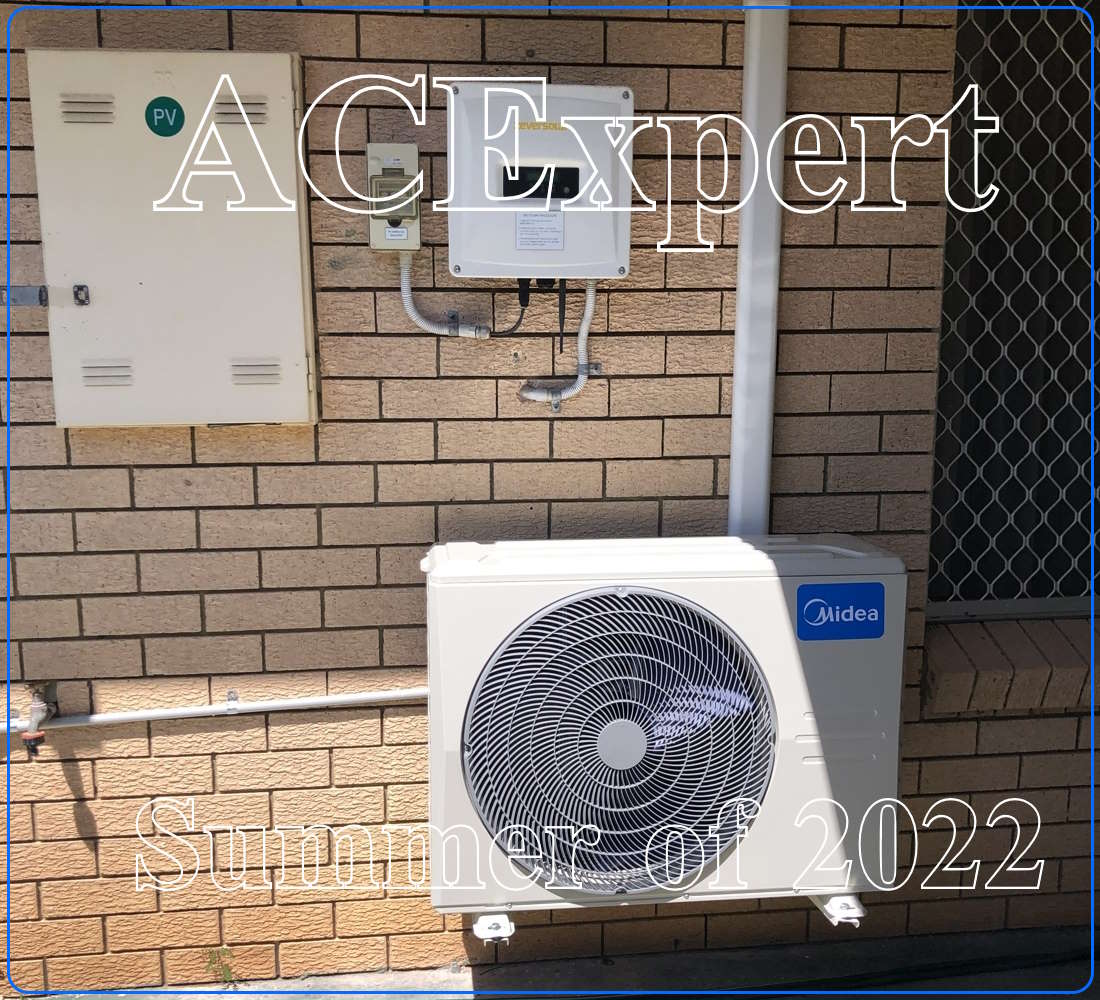
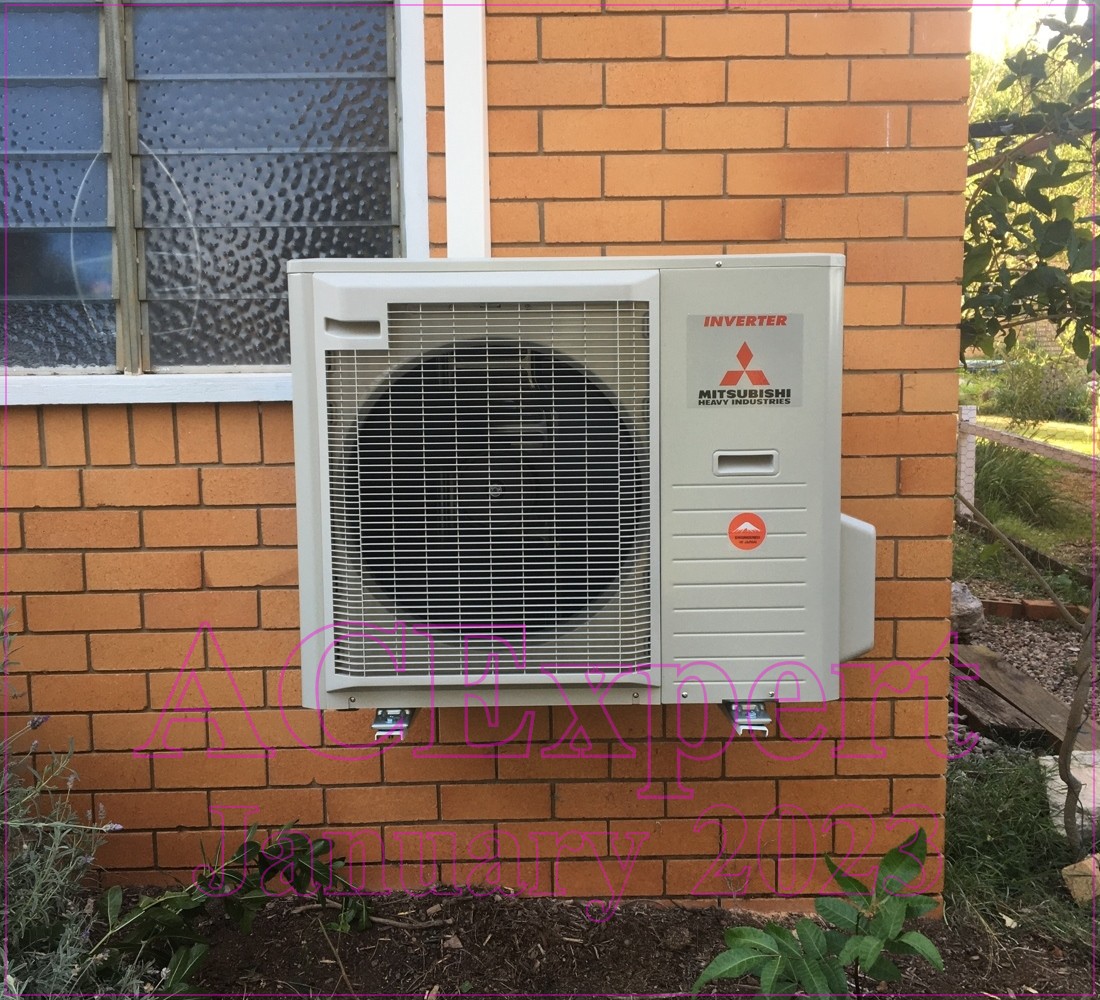
A multi-split system uses one outdoor compressor connected to two or more indoor heads, each in a different room. Each head has its own thermostat and can be turned on or off independently. This gives you room-by-room zoning without the need for ductwork. It’s especially popular in Queensland homes where ducted isn’t practical—think Queenslanders with timber floors and no ceiling space, or modern slab-on-ground builds.
Multi-splits are less efficient than a single ducted system when heating many rooms at once, but for zoned heating winter Queensland, they’re ideal when you only need to heat a couple of rooms most of the time. Just make sure the system is sized correctly: an undersized outdoor unit won’t keep up if you try to run all heads at once on a cold morning.
Setting Up Your Zones for Efficiency
Where you draw the zone boundaries makes all the difference. Here’s what works for Queensland homes:
zoned heating winter queensland — what matters
- Living area as one zone. Open-plan kitchen-living is the heart of the home. Zone it separately so you can heat it during the day and let it cool at night.
- Bedrooms as a second zone. Most Queenslanders sleep with windows open or ceiling fans on, so you don’t need the heating running all night. A pre-heat for 30 minutes before bedtime is enough.
- Hallways and bathrooms. These are usually too small to justify their own zone. Leave them unheated or include them with a nearby living zone.
- South-facing rooms. They lose heat faster. If you have a south-facing study or nursery, consider making it a priority zone with its own thermostat.
A common mistake is creating too many zones. More zones mean more dampers or heads, more wiring, and a more complex controller. For most homes, two to four zones hit the sweet spot between comfort and cost.
Walking into a cold hallway, the thermostat thinks the whole house is cold, so it keeps running. That’s why sensor placement matters. Put the thermostat in the room you actually want to control, not in a central hallway. Many modern systems allow wireless sensors that can be placed in each zone.
Common Mistakes to Avoid
Even a well-zoned system can underperform if you set it up wrong. Here are the traps to watch for:
- Oversizing the system. A 12kW unit in a small home will short-cycle, failing to dehumidify or heat evenly. Always get a load calculation (Manual J or similar) before buying.
- Ignoring insulation. Zoning can’t fix a leaky house. Ceiling insulation, sealing gaps around doors, and decent curtains make a huge difference. Without them, you’re trying to heat the outback with a match – it just doesn’t cut it.
- Setting one temperature for all zones. Your living room might need 22°C while the bedroom only needs 18°C. Individual temperature control per zone (where available) saves energy.
- Neglecting the return air. In ducted systems, the return air path must be kept open in the zone being heated. If you close a door to an unheated room but the return air grille is in that room, the system starves for air.
Maintenance Tips for Winter
Before the cold snap hits, give your system a once-over. Clean or replace filters—clogged filters reduce airflow and make the compressor work harder. For ducted systems, check that the dampers move freely; a stuck damper can leave a zone cold. For multi-splits, make sure the outdoor unit isn’t blocked by leaves or debris, and check that the condensate drain isn’t blocked (a common issue in humid Queensland winters).
If you haven’t had a service in over a year, book one. A technician will check refrigerant pressures, inspect electrical connections, and clean the coils. This is especially important for older systems using R22 refrigerant, which is being phased out. If you’re low on gas, you might need a top-up—but don’t assume that’s a fix; a leak must be found and repaired first.
When to Call a Pro
Zoning retrofits are not a weekend DIY project. Adding motorised dampers to existing ductwork requires cutting into the ducts, running control wiring, and programming the thermostat. Multi-split installations require an ARC tick (the refrigerant handling licence) and precise pipe work. Attempting it yourself can void the warranty and, worse, create a fire or refrigerant leak hazard.
If you’re in Brisbane and need a qualified technician, get a free quote through the site. We connect homeowners with local tradies who understand Queensland housing stock and can design a zoned system that actually works. And don’t forget to ask about rebates—some energy retailers offer discounts for installing smart zoning controls.
Zoned heating winter Queensland is about working smarter, not harder. With the right setup, you keep the rooms you use warm, cut your running costs, and still sleep cool at night. That’s a win for your wallet and your comfort.
.jpg "Zoned Heating for Winter in Queensland Homes: Warm Rooms, Not Whole Houses")