




While Queensland is famous for its sunshine, the reality of winter can be surprisingly chilly. When temperatures drop to 8 °C on a damp morning, a poorly insulated property can become uncomfortable quickly. Navigating winter heating queensland rentals requires a balance between providing tenant comfort, managing energy efficiency, and meeting legal obligations. Whether you are a property owner looking to add value or a tenant seeking a warmer home, this guide will help you understand the best practices for the season.
rental properties in queensland landlord
Understanding Rental Standards for Winter Heating Queensland Rentals
The Legal Baseline for Heating
Under the Residential Tenancies and Rooming Accommodation Act 2008, landlords are not strictly mandated to provide heating appliances. However, there is a clear responsibility to ensure the property is weatherproof and in good repair. If a landlord provides a fixed heating appliance, such as a reverse cycle split system, it must be maintained in good working order. Furthermore, since 1 September 2023, properties must comply with updated ceiling insulation standards, which play a vital role in heat retention.
Safety and Compliance Requirements
Safety is the top priority when managing winter heating queensland rentals. All fixed electrical heating systems, including air conditioners, must be installed by a licensed electrician. If you are installing a heat pump, the technician must also hold an ARC (Australian Refrigeration Council) licence. Landlords should always keep copies of compliance certificates to demonstrate that their duty of care regarding electrical and gas safety has been met.

Choosing the Best Heating Solutions
Why Reverse Cycle Systems Lead the Market
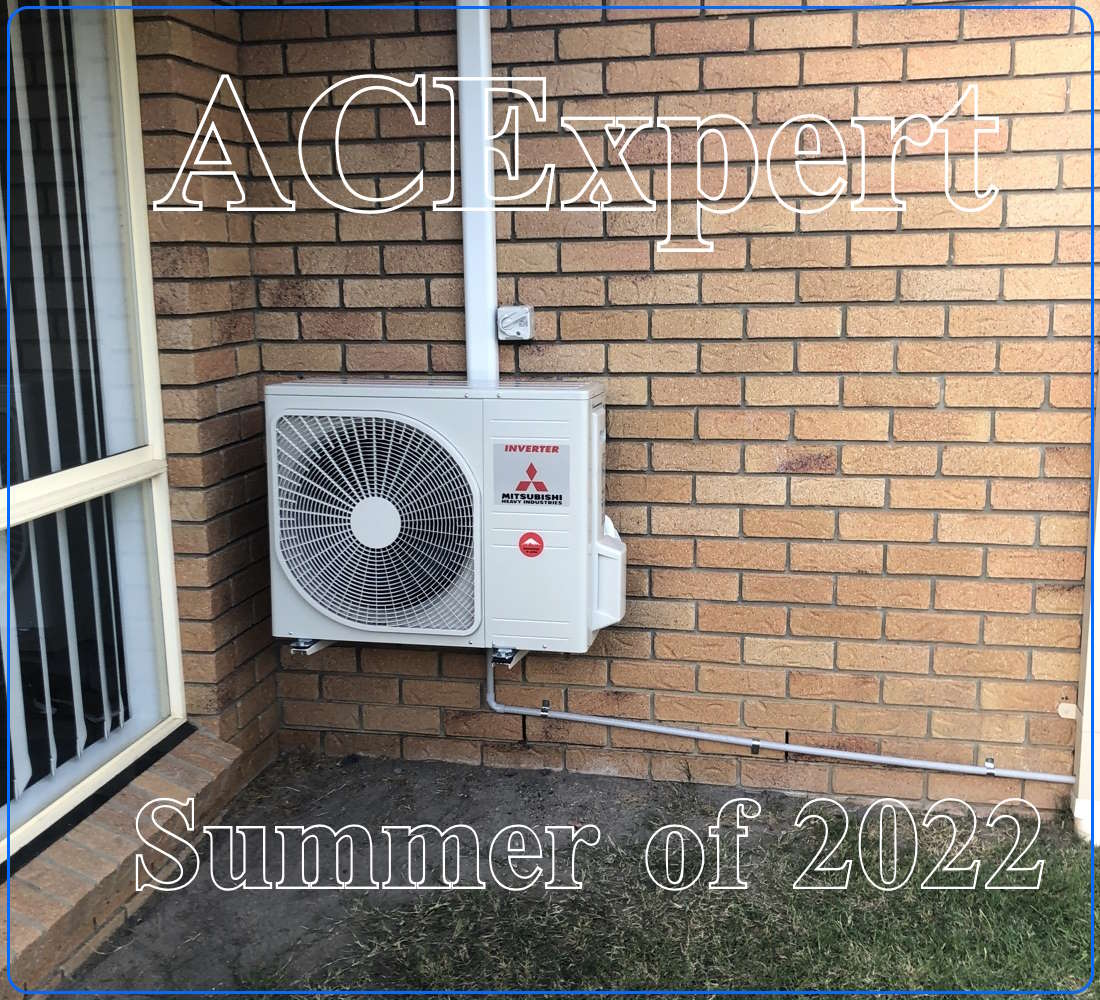
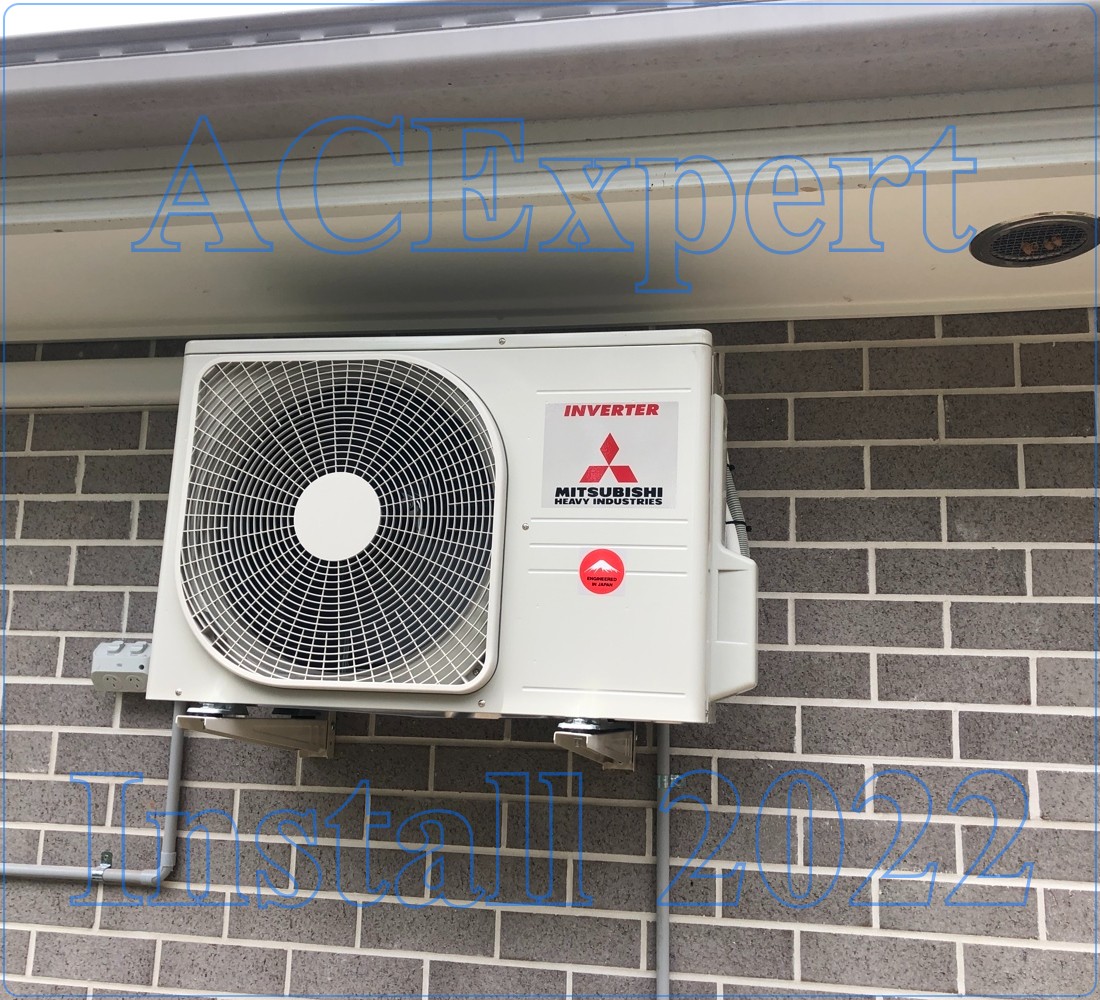
For most property owners, a reverse cycle split system is the gold standard for winter heating queensland rentals. These units are exceptionally efficient, often generating 4 kW of heat for every 1 kW of electricity used. Because they provide both heating and cooling, they offer year-round utility, which is a major draw for prospective tenants. Investing in a high-quality system can significantly improve your property’s rental appeal and long-term value.
Managing Portable and Gas Heaters
While portable electric heaters are a low-cost initial purchase, they are often expensive to run and can overwhelm the electrical circuits of older properties. If your rental property features gas heating, it is essential to have the unit serviced annually by a licensed gasfitter. Be cautious with unflued gas heaters, as they can cause carbon monoxide buildup in small or poorly ventilated spaces.
rental properties in queensland landlord — what matters
Practical Tips for Tenants to Stay Warm
Tenants can take proactive steps to improve their indoor climate without relying solely on high-energy appliances:
- Draught-Proofing: Use door snakes and window seals to block cold air. Always consult your property manager before installing permanent fixtures.
- Utilise Ceiling Fans: Many fans have a “winter mode” switch that reverses the rotation to clockwise. This pushes warm air trapped near the ceiling back down into the living space.
- Effective Zoning: Keep doors closed to unused rooms to concentrate heat where it is needed most.
Maintenance Responsibilities and Efficiency
Clear communication between landlords and tenants is the key to successfully managing winter heating queensland rentals. Landlords are responsible for the maintenance of fixed appliances, which includes scheduling annual gas checks and servicing ducted systems. Tenants play a part by keeping the property clean and periodically wiping down split system filters. Maintaining clean filters ensures better airflow, lower energy bills, and a longer lifespan for the unit.
Long-Term Property Upgrades
Landlords looking to reduce energy costs and improve tenant retention should consider long-term upgrades. Installing heavy curtains with pelmets or upgrading to modern, high-efficiency heat pumps can reduce heat loss by as much as 40 %. These improvements make a property more desirable and reduce the frequency of emergency repair calls during the winter months.
If you own a property in Brisbane and require a qualified technician for installation, maintenance, or compliance checks, get a free quote from our team today. We provide professional split system installation to ensure your rental property is ready for the colder season.
.jpg "Winter Heating for Rental Properties in Queensland: Landlord Tips")