




If you’re installing a split system air conditioner in Brisbane, the last thing you want is a noise complaint from your neighbours—or worse, a fine from council. Outdoor unit noise is a common concern for homeowners, especially in close-quarters suburbs where sound travels easily. The good news? With the right planning and professional installation, you can keep your system running smoothly without disturbing those around you. This guide explains Brisbane’s noise regulations, how to choose a quiet outdoor unit, and the best installation practices to avoid complaints.
Brisbane’s Noise Rules
Brisbane City Council sets clear limits on outdoor noise, including air conditioning units. These rules exist to protect residential amenity, so it’s important to comply from day one.

Permissible Noise Levels
Under the Environmental Protection Act 1994, outdoor air conditioner noise must not exceed:
- 5 dB(A) above background noise levels between 10 pm and 7 am (nighttime).
- 8 dB(A) above background noise levels between 7 am and 10 pm (daytime).
Background noise is measured at the neighbour’s property boundary. If your unit exceeds these limits, council can issue a noise abatement notice, requiring you to fix the problem.
When Neighbours Complain
Council takes noise complaints seriously, especially if the sound is persistent or unreasonable. Common triggers include:
- Humming, buzzing, or rattling from the outdoor unit.
- Vibration noise transmitted through walls or fences.
- Units placed too close to property boundaries.
If a neighbour lodges a complaint, council may investigate and request modifications—even after installation. Avoid this hassle by addressing noise concerns upfront.

Choosing a Quiet Unit
Not all split system air conditioners are equally noisy. The outdoor unit’s decibel rating is a key factor in compliance and neighbour relations.
Check the Decibel Rating
Outdoor units list their noise output in decibels (dB). For residential areas, aim for a unit rated at 50 dB or lower. Here’s a quick reference:
- 40–45 dB: Very quiet (ideal for close quarters).
- 46–50 dB: Moderate (acceptable in most suburbs).
- 51+ dB: Loud (may cause complaints).
Higher-capacity units often produce more noise, so balance cooling power with sound levels. A professional installer can recommend models that suit your home’s layout and noise sensitivity.
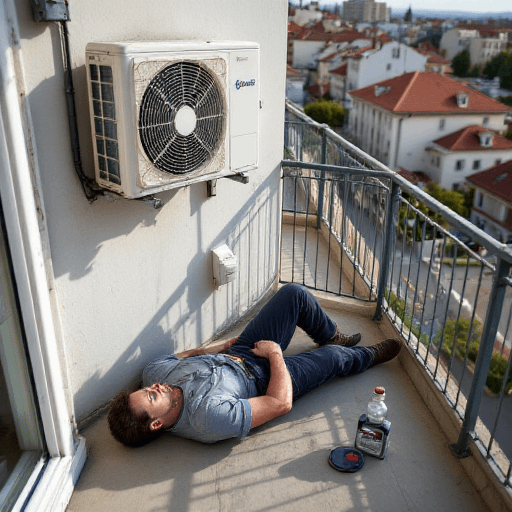
Inverter vs. Non-Inverter
Inverter air conditioners adjust their compressor speed to maintain temperature, resulting in quieter operation compared to non-inverter models. They’re also more energy-efficient, making them a smart choice for noise-conscious homeowners.
Installation for Low Noise
Even a quiet outdoor unit can become a nuisance if installed poorly. Proper placement and mounting techniques make all the difference.

Optimal Unit Placement
Where you position the outdoor unit affects how much noise reaches your neighbours. Follow these guidelines:
- Distance from boundaries: Place the unit at least 1 metre from property lines to reduce sound transmission.
- Away from bedrooms: Avoid installing near your neighbour’s bedroom windows or your own.
- Shielded locations: Use fences, walls, or landscaping to block noise. A solid barrier can reduce sound by up to 10 dB.
Vibration and Mounting
Vibration is a major source of outdoor unit noise. A professional installer will:
- Use rubber pads or anti-vibration mounts to isolate the unit from the ground or wall.
- Secure all components tightly to prevent rattling.
- Ensure the unit is level to avoid uneven operation.
Skipping these steps can lead to amplified noise and premature wear on the system.
Ducting and Airflow
Restricted airflow forces the unit to work harder, increasing noise. A professional installer will:
- Keep the unit clear of obstructions like plants or debris.
- Use flexible ducting to direct airflow away from neighbours.
- Check for bent or crushed refrigerant lines, which can cause whistling sounds.
After Installation Tips
Once your split system is installed, a few simple habits can keep noise levels low and neighbours happy.
Regular Maintenance
Dirt, debris, and worn parts can make your outdoor unit louder over time. Schedule annual maintenance to:
- Clean the fan and coils to prevent strain on the motor.
- Tighten loose components to stop rattling.
- Check refrigerant levels to avoid hissing or gurgling sounds.
Monitor for Changes
If your unit suddenly becomes louder, it may signal a problem. Common issues include:
- A failing fan motor or compressor.
- Loose or damaged fan blades.
- Debris stuck in the unit.
Address these promptly to avoid complaints or costly repairs.
Talk to Your Neighbours
A quick heads-up about your new air conditioner can prevent misunderstandings. Let them know:
- When installation will occur (to avoid surprises).
- The steps you’ve taken to minimise noise.
- How to contact you if they notice any issues.
Good communication builds goodwill—and may save you from a formal complaint.
Why Professional Installation Helps
DIY or cut-rate installations often overlook noise compliance, leading to complaints and costly fixes. A professional installer ensures:
- Compliance: They know Brisbane’s noise rules and how to meet them.
- Quiet operation: They choose the right unit and install it for minimal noise.
- Long-term savings: Proper installation prevents wear and tear that increases noise over time.
For homeowners in noise-sensitive areas, professional installation isn’t just a convenience—it’s a necessity.
Final Thoughts
Outdoor unit noise doesn’t have to be a dealbreaker for your split system air conditioner. By understanding Brisbane’s regulations, choosing a quiet unit, and prioritising professional installation, you can enjoy cool air without the stress of neighbour complaints. If you’re ready to install a system that’s both efficient and considerate, contact Air Conditioning Expert Brisbane for a consultation tailored to your home’s needs.
.jpg "Outdoor Unit Noise and Neighbours")