


Investing in a new split system air conditioner for your Brisbane home is an exciting step towards year-round comfort, but the journey doesn’t end with choosing the right unit. The true measure of performance, efficiency, and safety lies in the quality of the installation itself. A poorly installed system can lead to higher running costs, frequent breakdowns, and even potential hazards. This is where the expertise of a professional service like AC Expert becomes invaluable. We specialize in the meticulous installation of Mitsubishi Heavy Industry systems, ensuring every component is perfectly integrated for your home’s unique requirements. This guide demystifies the split system installation process, so you know exactly what to expect from start to finish.
Why Professional Installation is Non-Negotiable
Before diving into the steps, it’s essential to understand why cutting corners on installation is a false economy. A certified technician brings more than just tools; they bring a deep understanding of thermodynamics, electrical systems, and manufacturer specifications.
Guaranteeing System Efficiency and Performance
A split system’s efficiency is highly sensitive to installation quality. Improper refrigerant charging, incorrect tilt of the outdoor unit for drainage, or poorly sealed connection points can drastically reduce cooling and heating output while increasing energy consumption. Professional installers use precise gauges and techniques to charge the system and ensure all connections are leak-free, allowing your Mitsubishi Heavy Industry unit to deliver its rated efficiency, which translates to lower power bills.
Upholding Safety and Regulatory Compliance

Installation involves high-voltage electrical work and the handling of refrigerant gases, both of which require licensed qualifications. In Australia, a licensed electrician must complete the electrical circuit, and a licensed refrigeration mechanic must handle refrigerant. Professional installers hold these necessary licenses and ensure all work complies with Australian Standards and local council regulations, protecting your home from electrical faults and environmental harm.
The Pre-Installation Consultation and Preparation
A successful installation begins long before any drilling commences. It starts with a thorough assessment and planning phase tailored to your home.
Site Inspection and Load Calculation
An expert technician will visit your home to perform a detailed site inspection. This isn’t just a quick look; it involves calculating the precise cooling and heating load required for the space. Factors considered include room dimensions, ceiling height, window size and orientation, insulation levels, and even the number of occupants. This calculation determines the correct capacity (in kilowatts) for your system, avoiding the common pitfalls of an undersized unit that struggles or an oversized one that cycles on and off inefficiently.
Strategic Placement Planning for Optimal Airflow
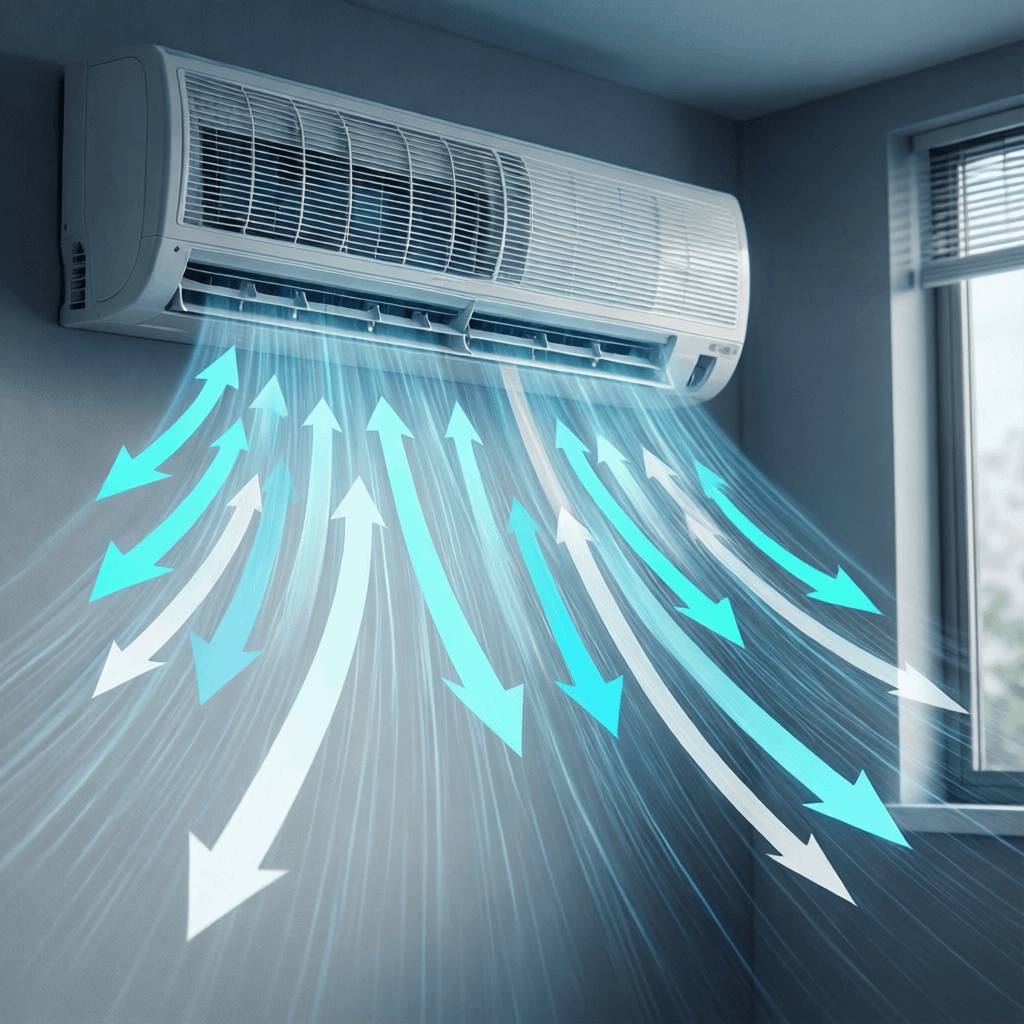
During the inspection, the ideal locations for both the indoor and outdoor units are determined. For the indoor head unit, this means considering airflow distribution across the living space, avoiding direct drafts onto seating areas, and ensuring easy access for future filter cleaning. The outdoor unit requires stable, well-ventilated surface with minimal exposure to harsh weather or direct sunlight, and sufficient clearance as specified by the manufacturer. This careful planning maximizes comfort and unit longevity.
The Core Installation Process: A Detailed Breakdown
With a plan in place, the physical installation proceeds through several critical stages, each requiring skill and attention to detail.
Mounting the Indoor and Outdoor Components
The process begins with securely mounting the indoor unit’s plate, ensuring it is perfectly level to allow for proper condensate drainage. Small but vital clearances are maintained for service access. Concurrently, the outdoor unit is positioned on its base—whether a concrete slab, wall brackets, or elevated mounts—ensuring it is level and stable to minimize vibration and noise.
Creating the Pathway: Boreholes and Conduit
A small borehole is carefully drilled through the external wall to create a pathway for the refrigerant lines, power cable, and condensate drain. This hole is sized to minimize air infiltration and is often angled slightly downward towards the outside to assist drainage. A professional team will use specialized core drilling equipment and seal the hole meticulously from both ends with appropriate compounds to maintain your home’s weatherproofing and insulation integrity.
Connecting the Critical Systems
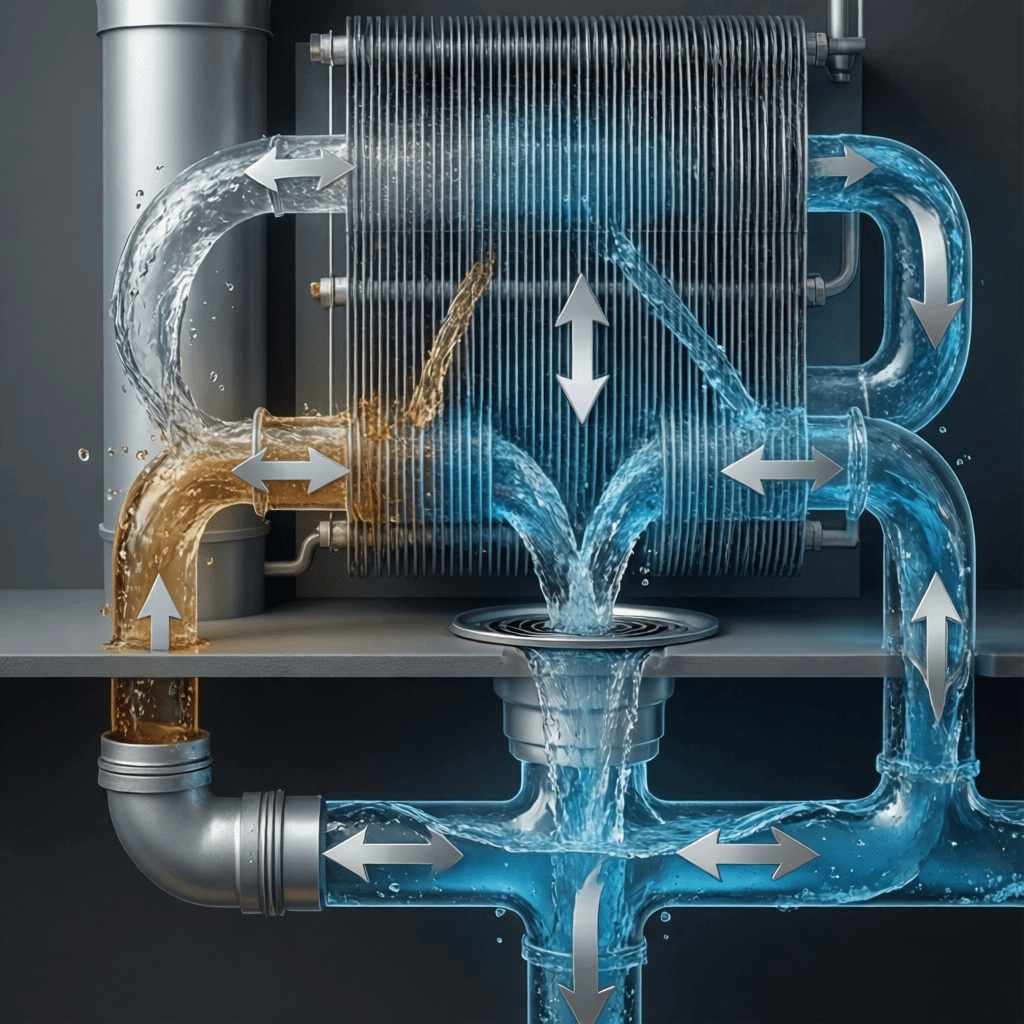
This is where technical expertise is paramount. The refrigerant pipes (copper tubing) are carefully routed through the conduit and connected to both indoor and outdoor units. The joints are brazed with nitrogen flowing through the lines to prevent internal oxidation—a detail often missed by unqualified installers. An electrician then runs a dedicated circuit from your switchboard, powering the outdoor unit and connecting it to the indoor unit. Finally, the condensate drain line is installed with a consistent downward slope to ensure water flows freely away from your home’s foundations.
Post-Installation: Testing, Commissioning, and Your Role
A professional job doesn’t end when the tools are put away. The final phase ensures everything works perfectly and that you are comfortable operating your new system.
System Evacuation, Charging, and First Run
Before introducing refrigerant, the entire refrigerant line must be evacuated using a vacuum pump to remove all moisture and non-condensable gases. This step is critical for long-term reliability. Only after achieving a deep vacuum is the system charged with the precise amount and type of refrigerant specified by Mitsubishi Heavy Industry. The installer then powers up the system, checking for leaks, verifying all operational modes (cooling, heating, fan), and confirming correct thermostat operation.
Walkthrough, Manual, and Maintenance Advice
A good installer will take you through a comprehensive handover. They will demonstrate how to use the remote control, adjust settings, and clean the filters. You’ll receive all warranty documentation and be advised on a simple maintenance schedule—primarily regular filter cleaning—to keep your system running efficiently for years to come. They will also clean up the work area, removing all packaging and debris, leaving your home as they found it, only now with a powerful new climate control system.
Understanding the split system installation process underscores the value of choosing a dedicated, licensed professional. From the initial load calculation to the final commissioning, every step at AC Expert is performed with precision, using the right tools and materials, specifically for the high-performance Mitsubishi Heavy Industry units we supply. This meticulous approach in Brisbane ensures your investment delivers optimal comfort, impeccable safety, and superior energy efficiency from day one. Ready to experience a seamless installation? Visit our Brisbane office or call us to discuss your project.
.jpg "Step-by-Step: What Happens During a Professional Split System Installation")