




Achieving maximum efficiency in your Brisbane home often comes down to one critical factor: where you choose to mount your unit. When planning a professional split system air conditioner installation, homeowners often focus solely on the aesthetic or the most convenient wall space. However, placing a unit in an suboptimal location can lead to uneven cooling, increased energy consumption, and unnecessary strain on your system. Understanding the physics of airflow and heat exchange is essential for ensuring your investment provides comfort throughout the humid Queensland summers.
Choosing Ideal Indoor Unit Locations
The indoor component of your split system air conditioner installation needs to be positioned where it can circulate air freely without obstruction. Avoid placing the unit directly above electronic equipment or near heat-generating appliances, as the built-in thermostat may misinterpret the ambient temperature, causing the system to run longer than necessary.
Prioritise Centralized Air Flow
For the best results, install the indoor head unit in a central location within the room you intend to cool. Ideally, the unit should be mounted on an interior wall that allows for unobstructed airflow toward the primary living or sleeping areas. If the air is directed toward a corner, a doorway, or against heavy curtains, the cold air will not circulate correctly, creating hot spots in the room. Professional split system air conditioner installation technicians always assess the room’s layout to ensure the “throw” of the air reaches the furthest corners effectively.
Avoid Direct Sunlight Exposure
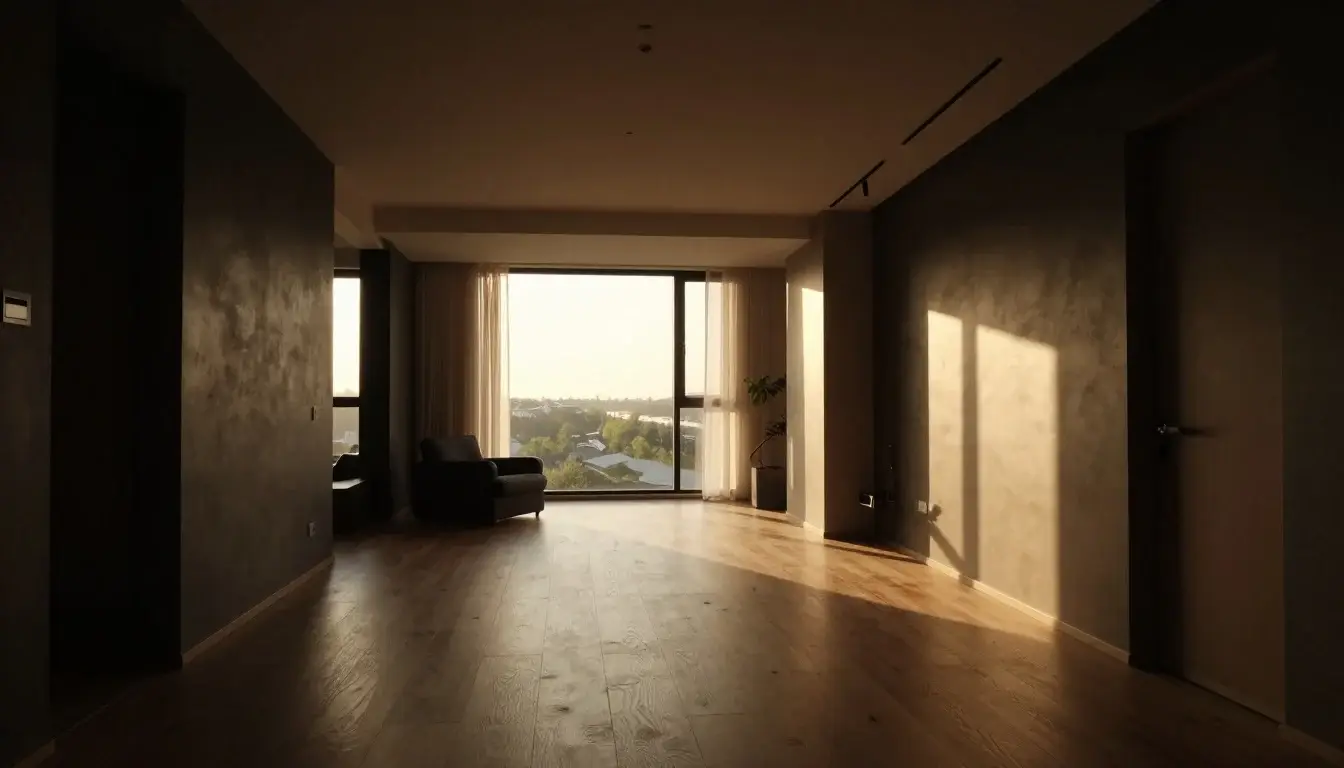
While it might seem logical to install a unit on an exterior wall to shorten the pipe run, you must be careful about direct sunlight. If the indoor unit is placed where it receives direct sunlight, or is positioned directly over a large, unshaded window, the sensor may struggle to regulate the temperature accurately. Excessive solar heat gain will force the unit to work harder, which can lead to higher power bills and premature wear of the compressor.
Optimising Outdoor Unit Placement
The performance of your split system air conditioner installation is just as dependent on the outdoor unit as it is on the indoor component. The outdoor unit, or condenser, is responsible for dissipating the heat removed from your home. If this unit is placed in a cramped, poorly ventilated area, it will struggle to dump heat efficiently, leading to reduced cooling capacity and increased energy usage.
Maintain Proper Clearances
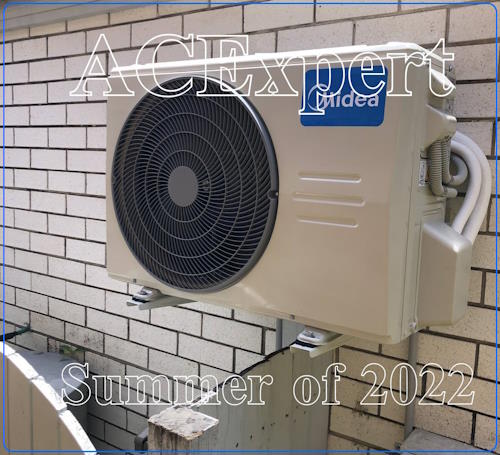
Every manufacturer provides specific clearance requirements for their outdoor units. A professional split system air conditioner installation requires enough space around the unit to allow for unrestricted airflow. This means keeping the area free of tall vegetation, outdoor furniture, or building extensions like decks or storage sheds. If the intake or exhaust fans are blocked, the unit can recirculate its own hot air, forcing the compressor to overheat or cycle off prematurely.
Strategic Shading and Protection
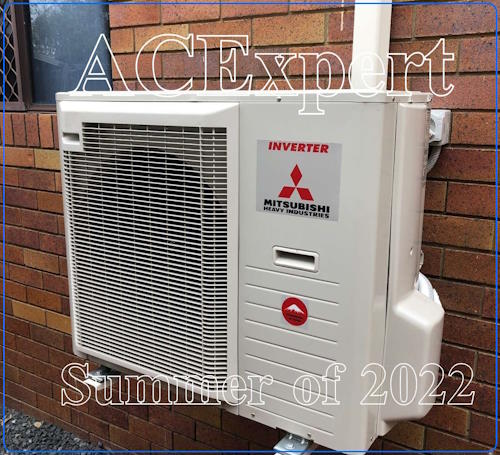
In Brisbane, protecting your outdoor condenser from the harsh afternoon sun can significantly boost the efficiency of your split system air conditioner installation. While these units are designed to withstand the elements, providing a light shade cover—without restricting airflow—can help keep the cabinet temperature lower. Additionally, ensure the unit is mounted on a stable, level surface, such as a concrete slab or vibration-dampening wall brackets, to prevent noise and unnecessary mechanical stress.
Installation Considerations for Efficiency
Many homeowners overlook the importance of pipe length and routing during the initial planning phase. A shorter, more direct path between the indoor and outdoor units is generally preferred. This reduces the work the refrigerant pump has to perform and minimises thermal losses through the piping insulation.
Minimise Unnecessary Piping Lengths
During your split system air conditioner installation, the technician will determine the most efficient route for the interconnecting pipes and wiring. Complex routing with multiple sharp bends can restrict refrigerant flow and increase the risk of oil return issues within the system. Discussing the potential for a “back-to-back” installation, where the indoor and outdoor units are mounted on opposite sides of the same wall, is an excellent way to keep costs down and improve long-term system performance.
Ensure Proper Condensate Drainage
Gravity is your best friend when it comes to condensate drainage. The indoor unit must be mounted at a slight angle or follow precise internal design requirements to allow moisture extracted from the air to drain away effectively. A professional split system air conditioner installation includes verifying that the drainage pipe has a consistent downward slope. If the drainage is restricted or levels out, water can pool, potentially leading to leaks or the growth of mold and mildew within the unit.
Consulting With Experienced Professionals
While the technical manuals provide general guidelines, an experienced technician brings local knowledge to your specific home layout. Brisbane’s architectural styles, ranging from traditional high-set Queenslanders to modern brick-veneer builds, each present unique challenges for mounting and bracket selection. A qualified installer knows how to navigate these structural realities while keeping the installation neat and efficient.
Professional Assessment for Brisbane Homes
Engaging an expert for your split system air conditioner installation ensures that your unit is sized and positioned perfectly for your specific living environment. They will conduct a load calculation based on the room size, ceiling height, insulation levels, and window orientation. This diagnostic approach prevents the common pitfall of installing an undersized unit that runs constantly or an oversized unit that cools too quickly and fails to dehumidify the air properly.
Planning for Future Maintenance
Finally, consider future accessibility. Your air conditioner will require periodic professional cleaning and maintenance to remain efficient and healthy. Ensure that the units are not installed in positions that are impossible to reach for a technician with a standard ladder. By planning for both current performance and future servicing, you ensure that your investment in a split system air conditioner installation remains a reliable source of comfort for many years to come.
.jpg "Strategic Split System Air Conditioner Installation in Brisbane")