




When you decide to invest in a split system air conditioning installation Brisbane homeowners often focus heavily on the unit’s brand, energy efficiency ratings, and aesthetic design. While these factors are undeniably important, the physical placement of the indoor and outdoor units is arguably the most critical variable for long-term performance and comfort. Strategic positioning ensures that the system operates at peak efficiency, provides even airflow throughout your living space, and remains easy to maintain over the coming years.
Why Positioning Matters
The efficiency of your cooling or heating relies on how well the air circulates. If an indoor unit is tucked into an awkward corner or blocked by furniture, the system will struggle to sense the actual room temperature. This often leads to short-cycling, where the unit turns on and off too frequently, consuming unnecessary electricity and putting undue stress on the compressor. During a professional split system air conditioning installation Brisbane residents should work with their technician to identify spots that allow for unobstructed airflow.
Furthermore, the physical placement dictates how the drainage lines and refrigerant piping are routed through your walls. Proper placement can simplify the installation process, reduce the length of piping required, and ultimately keep installation costs manageable. A well-planned layout avoids unnecessary aesthetic clutter, ensuring your home remains beautiful while staying perfectly climate-controlled.
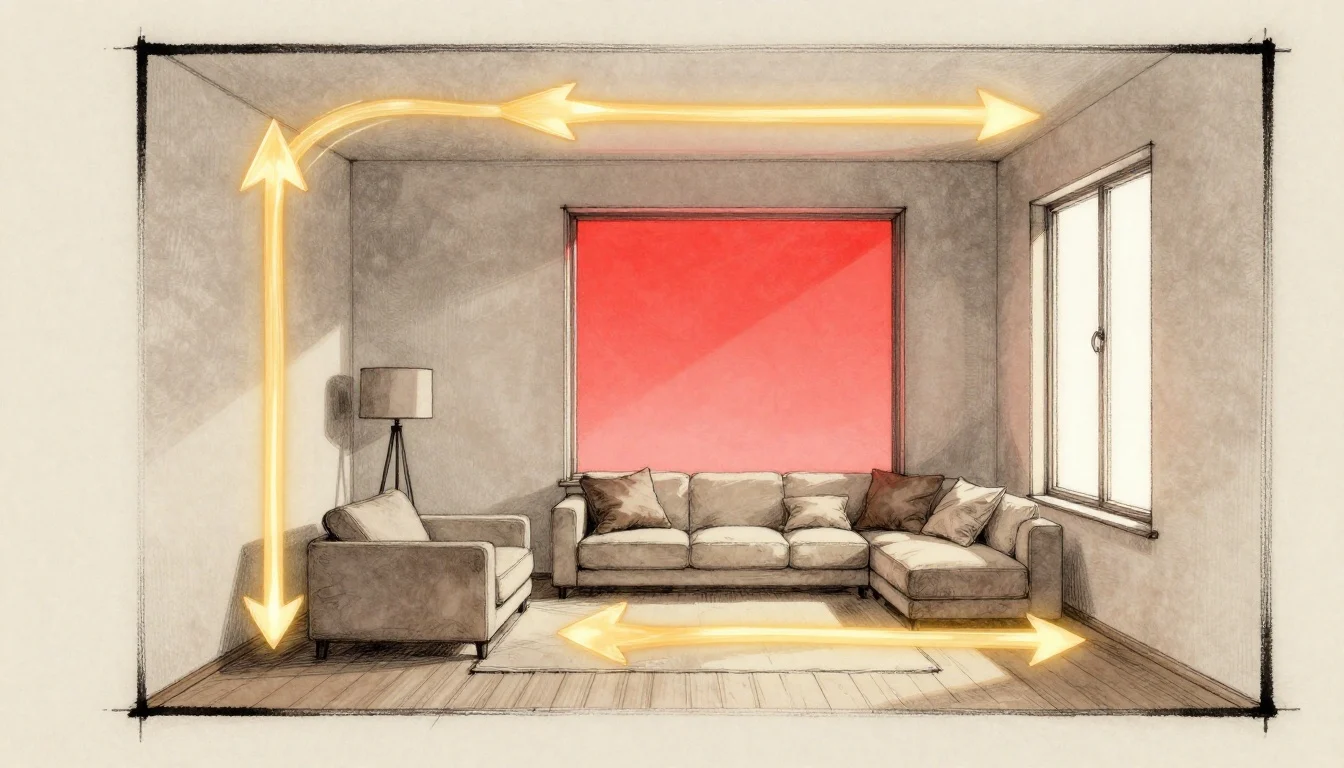
Choosing Indoor Unit Locations
Selecting the right wall for your indoor unit involves more than just finding an empty space. To maximize the value of your split system air conditioning installation Brisbane, consider the following layout principles.
Prioritize Central Flow
Ideally, the indoor head unit should be placed in a central location within the room. By mounting the unit on a wall where the air can blow towards the center of the living area, you prevent “dead zones” where air becomes stagnant. Avoid pointing the unit directly at seating areas or beds, as the constant direct breeze can be uncomfortable for occupants over long periods.
Avoid Heat Sources
The thermostat sensor inside your unit is sensitive. If you install your air conditioner near a kitchen oven, a sunny window, or a large television, the heat emitted from these sources can fool the sensor into thinking the room is warmer than it actually is. This causes the system to run harder and longer than necessary. Keep the unit away from these hotspots to ensure accurate temperature regulation.

Consider Ceiling Height
The height of the mounting position is essential. Placing the unit too low can lead to cold air blowing directly onto people, while placing it too high—especially in rooms with vaulted ceilings—can make it difficult for the unit to pull in warm air that naturally rises to the roof. A standard mounting height of roughly two meters provides the optimal balance for air distribution and ease of future maintenance.
Outdoor Unit Placement Strategies
The outdoor compressor is the “engine” of your climate control system. While many people prefer to hide these units away, there are practical limitations that must be respected during split system air conditioning installation Brisbane. The outdoor unit requires sufficient clearance to breathe. If the unit is forced into an extremely tight, enclosed space, it will trap hot air and suffer from reduced performance.
Ensure Ample Ventilation
The outdoor unit must have a clear path for air intake and exhaust. If you place the unit too close to a wall, fence, or dense hedge, the heat it removes from your home will be trapped in the immediate vicinity. This creates a feedback loop where the unit constantly tries to process already heated air, which significantly lowers its efficiency and can damage the compressor over time.

Minimize Noise Impacts
While modern split systems are remarkably quiet, they still generate a hum during operation. Think about the location of bedrooms, both in your own home and your neighbor’s property. Even a slight vibration can be amplified if the unit is mounted on a light-frame wall. Using rubber dampening mounts and choosing a solid concrete base can prevent unwanted noise transfer into living spaces.
Protect From Elements
Brisbane weather can be harsh, featuring both intense summer sun and occasional heavy storms. While these units are designed for outdoor use, placing them in a sheltered area—perhaps under a wide eave or behind a stylish, well-ventilated screen—can protect the exterior casing from UV degradation and wind-blown debris. Always ensure any protection used does not restrict the essential airflow required for the unit to function.

Maintenance and Access Access
A successful split system air conditioning installation Brisbane is one that considers the life of the machine. Technicians need to be able to access the units for routine cleaning and servicing. If an indoor unit is placed above a permanent, heavy bookshelf, or if an outdoor unit is buried behind a shed, cleaning the filters or performing electrical checks becomes a difficult, time-consuming, and potentially more expensive task.
- Keep the area beneath the indoor unit clear for ladder access.
- Ensure the outdoor unit is mounted on a stable, level surface, such as a concrete slab or sturdy mounting brackets.
- Check for easy access to the electrical isolation switch, which is a requirement for safety.
By planning for maintenance, you ensure that your investment remains in top condition for years, preserving your energy savings and air quality. Remember that professional advice is the most valuable tool you have. A qualified installer understands the unique geometry of Brisbane homes and can spot potential issues—like internal wall studs or pipe runs—that the average homeowner might overlook.
Investing in a high-quality split system air conditioning installation Brisbane is a decision that affects your comfort for many years. When you prioritize the physics of airflow and the requirements of the equipment, you create a system that is not only effective at cooling but also energy-efficient and easy to maintain. Work closely with your installation experts to map out a placement that serves your home’s layout perfectly, ensuring that your transition to a climate-controlled environment is smooth, reliable, and entirely stress-free.

.jpg "Choosing the Right Location for Split System Air Conditioning Installation in Brisbane")