


When summer hits Brisbane with its signature heat and humidity, your air conditioner becomes your home’s best friend. Many homeowners feel the operation of their split system is a mystery. Sometimes it runs all day, while other times it cycles on and off. There is a common misconception that units work best when constantly labouring, like a camel trekking through the desert. However, the truth for modern, efficient air conditioner use is quite the opposite. Understanding this principle is the key to achieving optimal comfort, lower running costs, and a longer lifespan for your investment.
The Camel Misconception: Why Constant Running is Problematic
The image of a camel, built for endurance and carrying a heavy load, is a poor analogy for how a modern air conditioner should operate. Think of it instead like a cyclist climbing a hill. An efficient cyclist uses gears. They apply strong, measured bursts of power to conquer the incline, then maintain speed without excessive effort. A camel would just keep plodding with the same immense effort, burning fuel inefficiently.
If your air conditioner is running non-stop, it is a sign that something is amiss. This “camel mode” of operation leads to several significant issues:
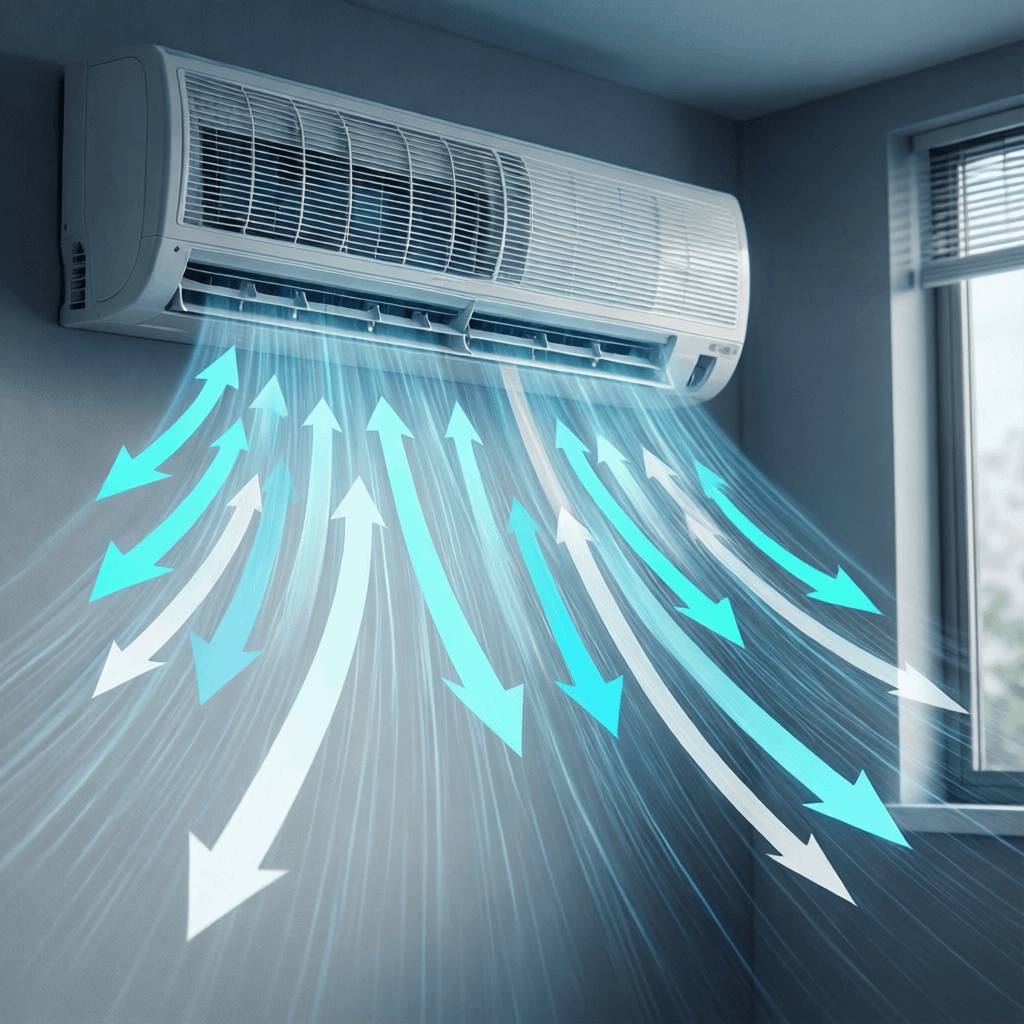
- Skyrocketing Energy Bills: A compressor that never shuts off is in a constant state of high power draw. It has no chance to enter the more efficient, low-power “idle” state once your home reaches the set temperature.
- Accelerated Wear and Tear: Continuous operation pushes all components to their limits without respite. This dramatically shortens the system’s useful life and increases the likelihood of a breakdown.
- Poor Dehumidification: A key function of air conditioning in Brisbane’s climate is removing moisture. Shorter, effective cycles allow the system to cool the air and remove humidity. A system blasting constant cool air may not dehumidify well, leaving your home feeling clammy.
- Inability to Achieve the Set Temperature: If the unit runs continuously but never reaches your target temperature, it indicates the system is undersized or has a performance issue.
How Efficient Air Conditioner Use Works in Practice
A correctly selected and installed split system should operate in efficient cycles. Here is what efficient air conditioner use looks like in practice:
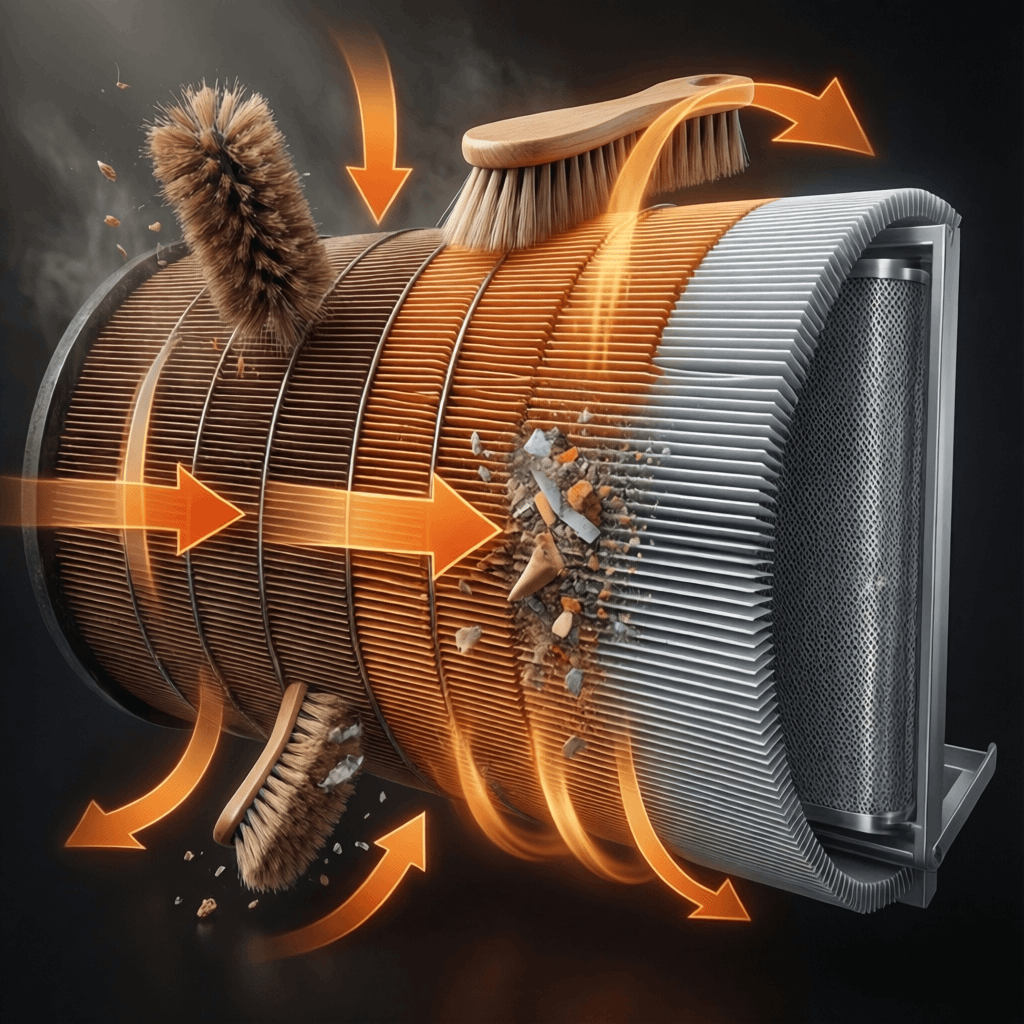
The Burst and Cool Down Cycle
When you first turn the system on, the outdoor compressor and indoor fan start. The system works at its designed capacity to cool the air rapidly. As the desired temperature is reached, the intelligent inverter compressor in quality units—like Mitsubishi Heavy Industry models—doesn’t simply shut off. Instead, it reduces its speed and power draw. It operates at a minimal level to maintain the temperature. This “idle” state is a key difference from older, non-inverter models that cycled completely on and off.
The Role of Proper Sizing
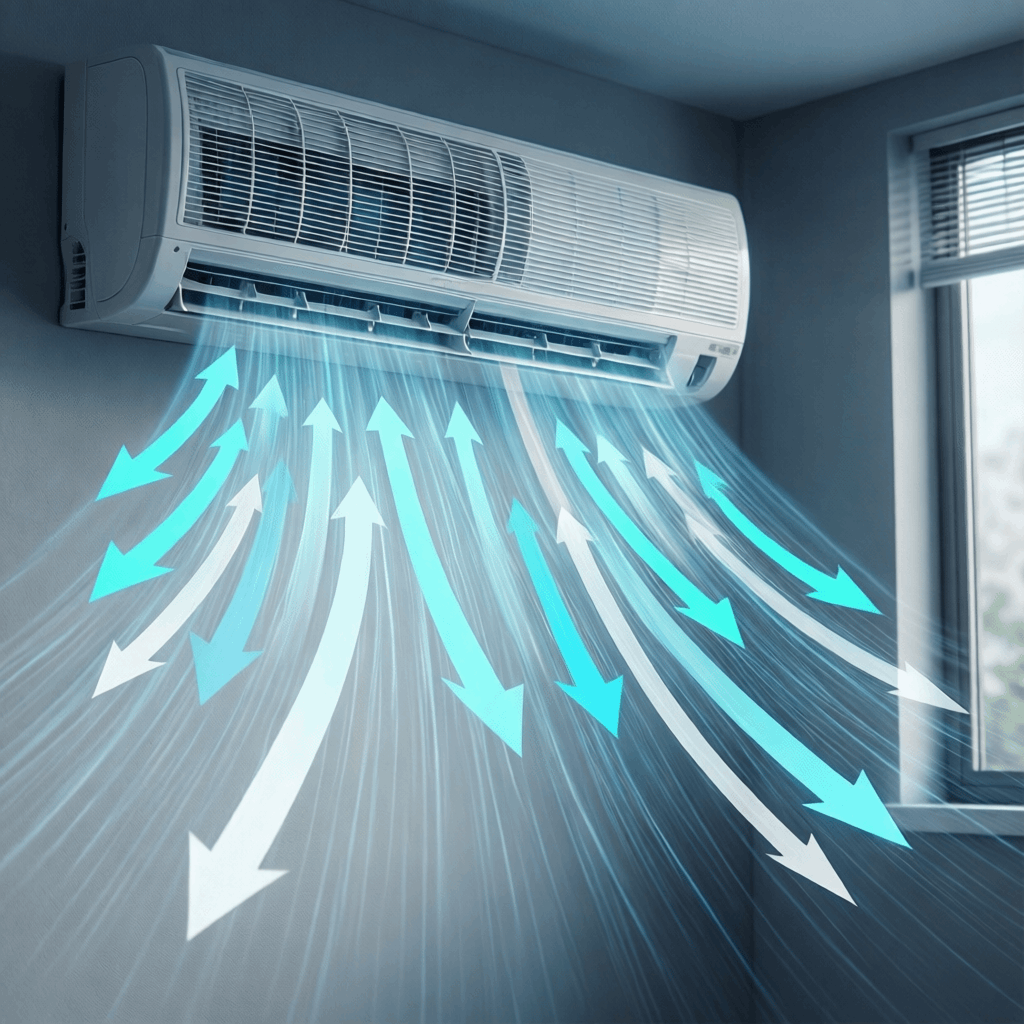
This cycling is only possible with a system that is the correct capacity for your room. An undersized system will run constantly, never cooling the space effectively. An oversized system will cool the air so quickly that it short-cycles. This rapid turning on and off is inefficient and provides poor humidity control. A professional installer will perform a detailed assessment of your room’s size, insulation, and sun exposure to specify the perfect unit size. This is the foundational step for efficient air conditioner use.
Tips to Avoid “Camel Mode” and Boost Efficiency
Beyond having the right system, your habits play a huge role in promoting energy savings.
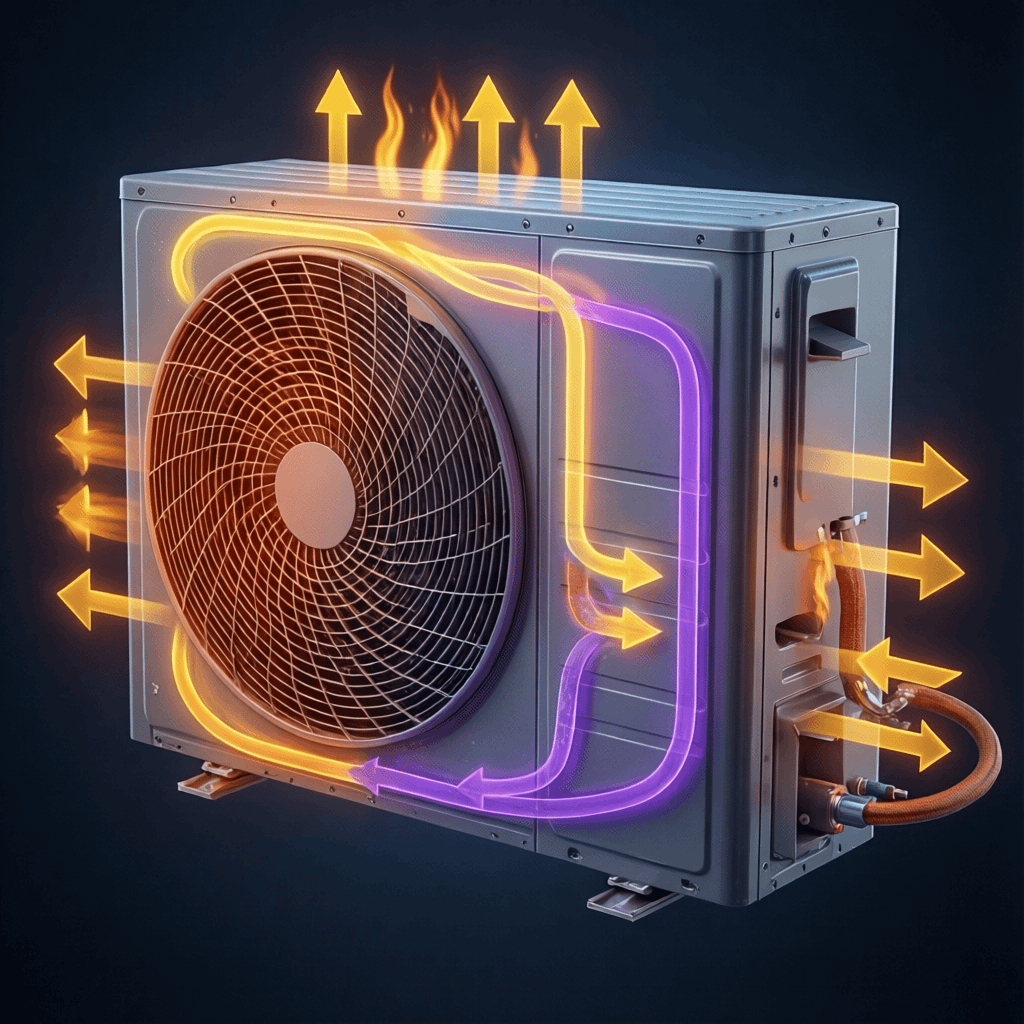
- Use the ‘Auto’ Fan Mode: Set your fan to “Auto” instead of “High” or “Low.” In Auto mode, the fan speed adjusts with the compressor, saving energy and reducing noise.
- Set a Reasonable Temperature: The ideal setting for summer is between 24°C and 26°C. Every degree lower can increase energy consumption by up to 10%.
- Leverage Timers and Zoning: Use your timer to turn the system on 30 minutes before you arrive home. If you have a multi-split system, only cool the rooms you are using. Close doors to unoccupied areas to help the system reach the set temperature faster.
- Maintain Your System: A dirty filter restricts airflow, forcing the system to work harder. Clean your filters every few weeks during heavy use. An annual professional service ensures the system operates within its manufacturer’s specifications.
- Complement With Insulation and Shading: Keep curtains and blinds closed during the hottest part of the day. Good insulation acts like a thermal esky, keeping the cool air in and reducing the workload on your system.
When to Consider an Upgrade
If your system is old, uses outdated refrigerant, or is a basic non-inverter model, it may be operating like a camel by design. Modern inverter split systems are built for the cycling efficiency described above. They modulate their output precisely, providing superior comfort and lower running costs.
An upgrade to a new, correctly sized inverter system is one of the most effective ways to ensure efficient air conditioner use. The initial investment is offset by substantial savings on your quarterly energy bills and the peace of mind that comes with a reliable, modern warranty.
Conclusion: Embrace the Cycle for Comfort and Savings
Forget the image of the relentlessly plodding camel. A well-chosen and well-managed air conditioning system is an intelligent, responsive machine. By ensuring your system is correctly sized, using its smart features wisely, and maintaining it properly, you encourage efficient cycling. This approach delivers consistent, comfortable temperatures and keeps your energy consumption under control. That is the true hallmark of efficient air conditioner use in your home.
.jpg "air conditioning is not a camel")