




When the first cold snap hits South East Queensland, many homeowners discover their reverse cycle air conditioner isn’t delivering the warmth they expected. Winter heating problems SE QLD are rarely catastrophic — more often they’re caused by a handful of predictable gremlins: short-cycling, weak airflow, or thermostat confusion. Understanding what’s happening inside your system can save you a service call and keep you warm until spring.
What Causes Short-Cycling in Heating Mode?
Short-cycling is when your system turns on and off more frequently than normal — sometimes every few minutes. It’s one of the most common winter heating problems SE QLD homeowners encounter. The unit starts, runs for a short burst, then shuts down before the room reaches the set temperature. This wastes electricity and wears out the compressor.
Clogged Air Filters
The number one culprit is a dirty air filter. When the filter is blocked, airflow over the indoor coil is restricted. The coil gets too hot (or too cold in cooling mode), and the system’s safety controls force it to shut down early. Check your filter monthly during winter — if it looks dusty or you can’t see light through it, wash or replace it. AS/NZS 1668.2 recommends clean filters for occupant health and system efficiency.
Oversized Unit for the Space
SE QLD homes aren’t built to the same insulation standards as those in Tasmania or Victoria. A 6kW split system in a small, well-sealed bedroom might reach set temperature in five minutes, then cycle off — only to lose heat quickly through brick veneer walls and single-glazed windows. This is a design issue, but a programmable thermostat or using a lower fan speed can help stretch run times. If you’re replacing a unit, always get a heat load calculation done (AS/NZS 4783.1).
Faulty Pressure Switches or Sensors
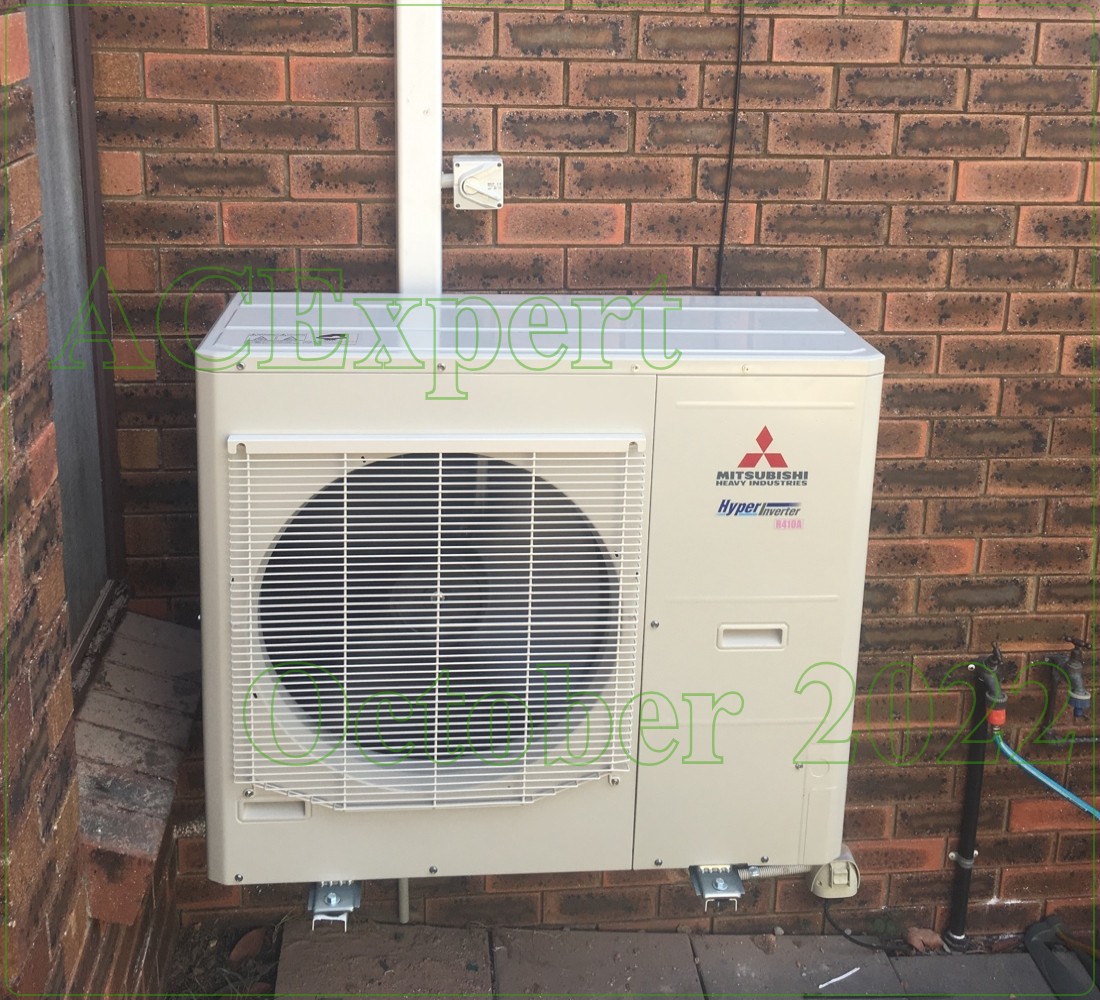
If the filter is clean and the unit still short-cycles, the problem might be a pressure switch or temperature sensor. On split systems, the outdoor unit’s discharge pressure can trip prematurely if the coil is dirty or refrigerant charge is low. That’s a job for a licenced technician — messing with refrigerant requires an ARC tick.
Weak Airflow: Not Enough Heat Coming Through
You set the thermostat to 22°C, but the air barely feels warm and the room stays chilly. Weak airflow is another classic winter heating problem SE QLD residents report. The system may be running, but the heat isn’t reaching you.
Blocked or Closed Vents and Registers
Start with the obvious — check that all supply vents are fully open and not blocked by furniture, curtains, or fluff. In ducted systems, a collapsed or crushed flexible duct can restrict airflow to certain rooms. Feel each vent; if one room has noticeably less flow, the duct run may need inspection.
Fan Motor or Capacitor Issues
The indoor fan motor moves air across the coil. If the motor is failing — or its run capacitor is weak — the fan will spin slower than designed. You might hear a humming sound or notice the fan blades aren’t turning steadily. A multimeter can check the capacitor, but worn bearings mean motor replacement. Don’t run the system with a failing fan; it can overheat the motor and cause a fire risk.
Dirty Indoor Coil
Over years of use, the indoor coil can accumulate a layer of grime and dust. This acts like an insulator, preventing heat transfer between the refrigerant and the air. Even with a clean filter, the coil itself might be dirty. Professional cleaning with a coil-safe detergent is the fix — but if your coil is bent or damaged, replacement might be more cost-effective than cleaning a ten-year-old unit.
Thermostat Quirks That Fool Homeowners
Thermostat problems are often mistaken for mechanical failures. SE QLD’s mild winters mean the temperature difference between indoors and outdoors is small — so your thermostat might behave differently than in a Victorian deep freeze. Here are common thermostat-related winter heating problems SE QLD users see.
Thermostat Location Confusion
If the thermostat is on a sun-drenched wall, or near a draughty window, it may read the wrong temperature. In heating mode, a draft might make it think the room is colder than it is, causing the system to run longer than necessary. Conversely, a thermostat in direct afternoon sun may think the room is already warm and refuse to kick on. Relocating the thermostat to an internal wall, out of direct sunlight and away from doors, is the best solution. For ducted systems, a wireless remote sensor can be placed in a representative room.
Setback Issues with Programmable Thermostats
Many SE QLD homeowners use night setback to save power — dropping the temperature from 21°C to 16°C overnight. But if the system lacks enough capacity to recover quickly in the morning, the morning warm-up period can be painfully slow. Best practice is to set the temperature back no more than 3°C to 4°C. And if your thermostat has an “adaptive recovery” feature, enable it — the system learns how long it needs to reach your desired temp and starts early.
Incorrect Mode or Settings
It sounds silly, but I’ve been called out to homes where the remote control was set to “cool” or “auto” mode instead of heat. Some multi-head systems require each indoor unit to be individually set to heating mode — there’s no universal toggle. Also check the fan setting: “Auto” is usually best, but some people set it to low and then complain about weak airflow. Low fan speed is fine for steady temps, but if the system is trying to heat a cold room, high fan helps distribute warmth faster.
Seasonal Maintenance Checklist Before Calling a Pro
Many winter heating problems SE QLD can be avoided with a quick seasonal check. Here’s what to do before ringing a tradie:
- Clean or replace air filters (every 4–6 weeks in winter if used daily)
- Check all vents are open and unblocked
- Inspect the outdoor unit for debris, leaves, or vegetation
- Listen for unusual noises — clicking, banging, or buzzing
- Feel the airflow at each vent — not just temperature
- Verify thermostat settings and batteries (for wireless units)
If you’ve done all that and the system still struggles, it’s time to bring in a professional. Remember that refrigerant issues, electrical faults, and compressor problems require a licensed technician — no DIY fixes.
When to Call a Technician in SE QLD
Some issues need hands-on diagnosis. If your system is short-cycling and the filter is clean, the problem could be a faulty reversing valve, a leaking TXV, or low refrigerant. Low refrigerant often causes ice to form on the outdoor unit’s pipes (yes, even in heating mode — it’s a sign the system is losing gas). Ice on the outdoor coil in winter is a sure sign somethings wrong. Don’t ignore it.
Another tricky one: if the indoor unit runs but the outdoor fan doesn’t spin on start-up, the fan motor or capacitor may be dead. That’s a component-level fix.
If you’re in Brisbane and need a qualified technician, get a free quote through the site. We connect you with local tradies who understand SE QLD’s specific building and climate quirks.
Winter heating problems SE QLD aren’t usually a sign you need a whole new system. Often it’s a case of muck, misuse, or a misbehaving thermostat. Start with the easy checks, and if you’re still cold after that, the problem might be deeper — but at least you’ve ruled out the stuff a homeowner can fix in ten minutes.
.JPG "Winter Heating Problems SE QLD: Common Issues and Simple Fixes")