




Winter is here and your heater is working harder than it has all year. Many homeowners wonder about DIY heater maintenance winter vs hiring a pro – what can you safely do yourself, and when is it time to call a qualified technician? Some tasks, like cleaning a filter, are perfectly fine. Others, like touching a gas line or opening a sealed refrigerant circuit, are not only dangerous but illegal without the correct licence. Let’s break it down.
diy heater maintenance winter
What Homeowners Can Safely Do Themselves
There are a handful of simple tasks that won’t void your warranty or put you at risk. These are ideal for routine care during the colder months.
Clean or Replace Air Filters
Blocked filters are the number one cause of poor heating performance. Depending on your system – split system, ducted, or gas heater – the filter is usually accessible behind a front panel or return air grille. Turn off the unit, remove the filter, and either vacuum it or wash it if it’s a reusable type. Replace disposable filters at least once a season. Doing this monthly during peak winter use keeps airflow up and running costs down.
Clear Outdoor Unit Obstructions
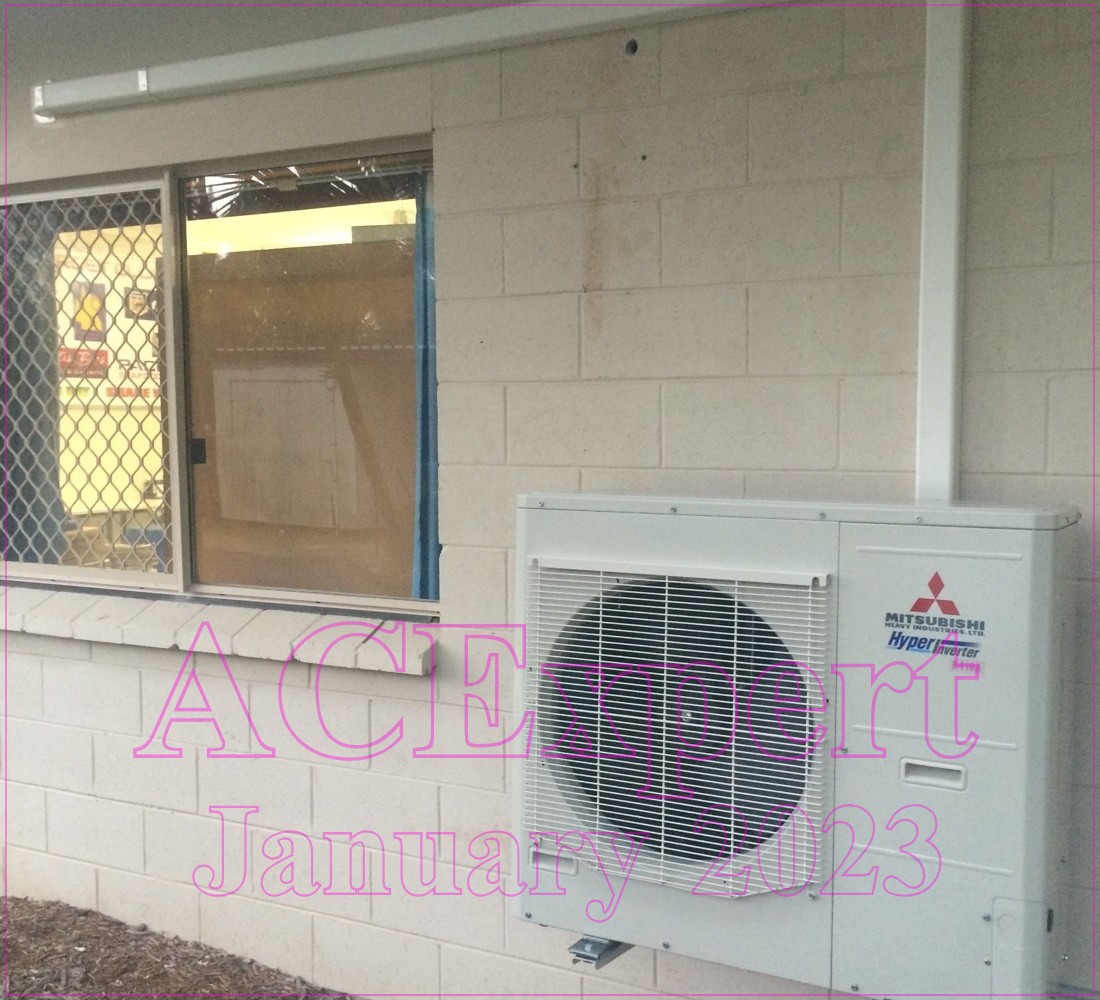
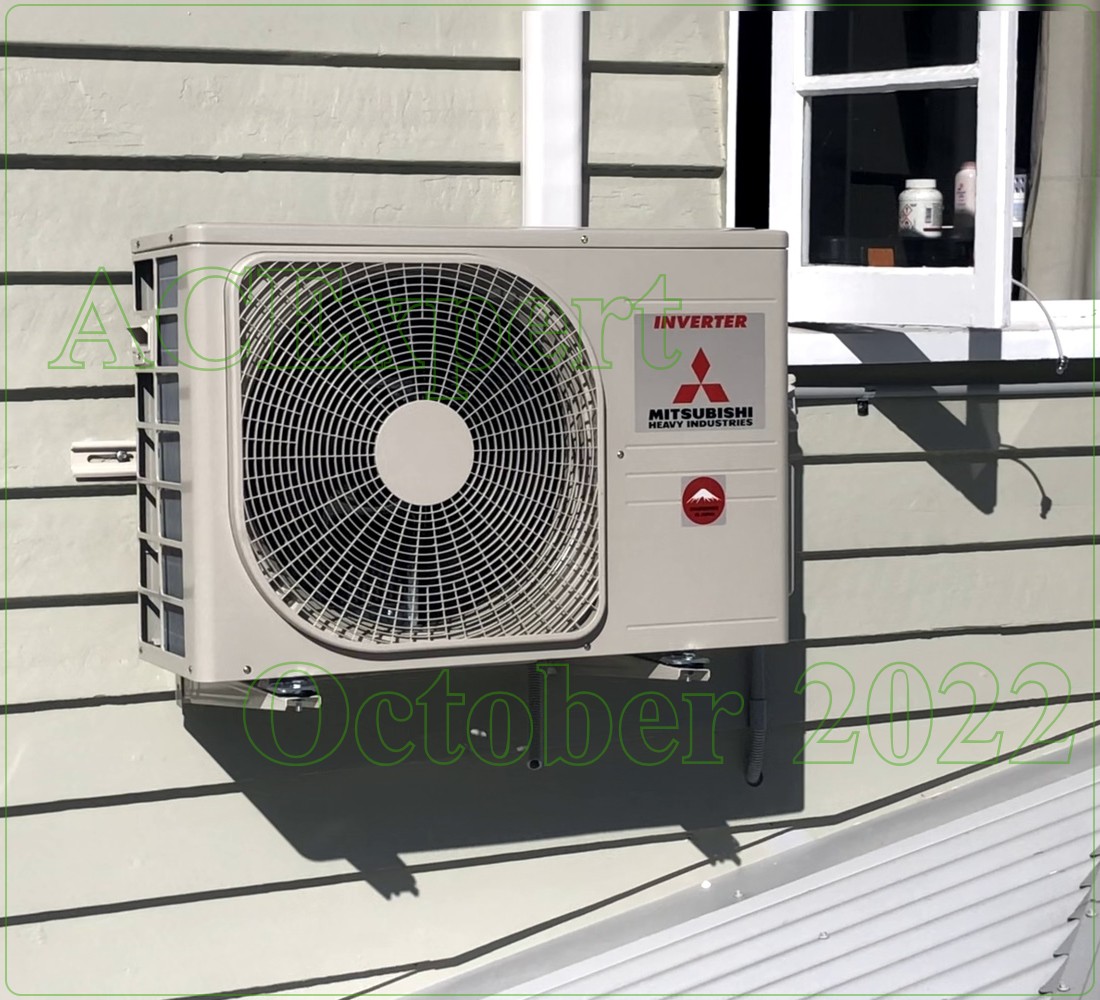
If you have a reverse-cycle split system, the outdoor condenser needs clearance. Leaf litter, overgrown shrubs, or a build-up of dust around the unit can reduce efficiency and cause the compressor to work harder. A quick brush and hose down (when off) is all that’s needed.
Check Thermostat and Settings
Sometimes the problem is a flat battery in a wireless thermostat or a timer set incorrectly. Replacing batteries and double-checking your schedule is a two-minute fix. Also, make sure the system is set to ‘heat’ mode – it sounds obvious, but it’s a common oversight.
Inspect Visible Ductwork and Vents
You can look for obvious damage – crushed ducting, detached vents, or blockages. But leave the repairs to a professional. Duct systems are delicate, and a bad DIY fix can leak conditioned air or create a fire hazard with gas heaters.
“Regular maintanence of filters and outdoor units is something every homeowner should do. But when you step beyond that, you step into licenced trade territory.”
Why Professional Maintenance Matters
Heaters – especially gas and refrigerated systems – involve high voltage electricity, flammable gas, and pressurised refrigerants. Every state and territory in Australia has strict licensing requirements for a reason.
Gas Heaters and the Law
Gas ducted heaters and wall furnaces must be serviced by a licensed gasfitter under AS/NZS 5601. Never attempt to clean burners, adjust gas pressure, or inspect flues yourself. Carbon monoxide poisoning is a real risk if a gas heater isn’t burning cleanly. Less homeowners attempt gas heater DIY every year, but those who do risk life and limb.
diy heater maintenance winter — what matters
Electrical Safety
Opening the electrical panel of a split system or ducted unit exposes you to live components – capacitors can hold charge even when the power is off. A licenced electrician or air conditioning technician knows how to safely isolate and test these parts. Doing it yourself can result in serious injury or electrocution.
Refrigerant Handling
Topping up or repairing refrigerant leaks is strictly regulated. Only technicians with an ARC tick (Australian Refrigeration Council authorisation) can legally handle refrigerant. The phase-down of R22 and transition to lower-GWP refrigerants like R32 means even more reason to leave this to the pros. Attempting a DIY recharge will void your warranty and could land you a fine.
The Risks of DIY on Complex Systems
Aside from the legal issues, there are practical dangers. That’s a bigger can of worms than my uncle’s bait shop when someone tries to fix a gas ducted heater without the right tools. Here are the common pitfalls.
- Voided warranty: Most manufacturers require professional installation and annual servicing. DIY work on sealed components cancels your cover.
- Carbon monoxide poisoning: A poorly maintained gas heater can produce CO – odourless, colourless, and deadly. Only a combustion analysis test can confirm safe operation.
- Fire risk: Faulty electrical connections or blocked flues can lead to house fires. In 2023, the QFES attended over 150 fires linked to heating appliances.
- Personal injury: Refrigerant burns, electric shocks, and gas explosions are not worth saving a few hundred dollars.

When to Call a Technician This Winter
Some signs don’t wait for a scheduled service. If you notice any of the following, it’s time to bring in a professional.
- The heater cycles on and off frequently or won’t start
- Strange noises – banging, screeching, or hissing
- Unusual smells, especially a gas odour or burning dust
- Error codes on the thermostat or indoor unit display
- Your energy bill has spiked without a change in usage
If your system hasn’t been serviced in two years or more, even if it seems fine, a pre-winter check is worth it. A technician will clean evaporators, test electrical components, measure gas pressures, and ensure drainage is clear – tasks that go far beyond what a homeowner can do.
Seasonal Tips for Queensland Winters
In Southeast Queensland, winter is mild but humid, and many homes rely on reverse-cycle air conditioners for heating. A few simple habits will extend the life of your system.
- Set your thermostat to 18–20°C – every degree higher can increase running costs by up to 10%.
- Use ceiling fans on low, reverse rotation to push warm air down without creating a draft.
- Keep doors and windows closed to avoid heat loss, especially in older brick veneer homes.
- If you have a gas heater, ensure the external flue is clear of leaves or spider webs.
If you’re in Brisbane and need a qualified technician, get a free quote through the site. A professional service now saves you from a cold call-out in July.
The bottom line: DIY heater maintenance winter tasks like cleaning filters and clearing outdoor units are safe and smart. But for gas lines, electrical work, or refrigerant handling, never DIY. Your safety – and your wallet – depend on knowing where that line is drawn.
A closer look at diy heater maintenance winter

.jpg "DIY vs Professional Heater Maintenance in Winter: What's Safe")