




Winter in Queensland might not drop to southern lows, but a poorly heated tiny home can still feel like a fridge. When you’re living in a compact space — whether it’s a granny flat, a converted shed, or a purpose-built tiny house — every degree matters. The right tiny home heating winter Queensland strategy isn’t about cranking a bar radiator until the fuse blows. It’s about selecting equipment that matches your space, sealing the envelope, and using controls that don’t waste a watt. This guide walks through the options that actually work for Queensland’s mild winters, with a focus on what tradies and homeowners both need to know.
tiny home heating winter queensland
The Unique Challenges of Tiny Home Heating in Queensland
A tiny home has a high surface-area-to-volume ratio. That means heat escapes fast unless the building fabric is tight. Queensland winters are short but can be humid and damp — think 8°C mornings with 80% relative humidity. Cold seeps through single-glazed windows, uninsulated floors, and gaps around doors. Standard ducted systems are often overkill; portable heaters chew electricity. The trick is to find a balance between upfront cost, running cost, and comfort. And because space is precious, wall-mounted units that interfere with furniture layouts are a genuine pain.
Another factor: many tiny homes in Queensland are built on trailers or have unconventional framing. Standard installation methods for split systems need to account for vibration and movement if the home is mobile. An ARC tick holder knows to check manufacturer specs for compressor orientation and flare torque on unconventional mounts. Get that wrong and you’ll receive a cold shoulder from the system on a frosty morning.
Reverse Cycle Split Systems: The Obvious Winner
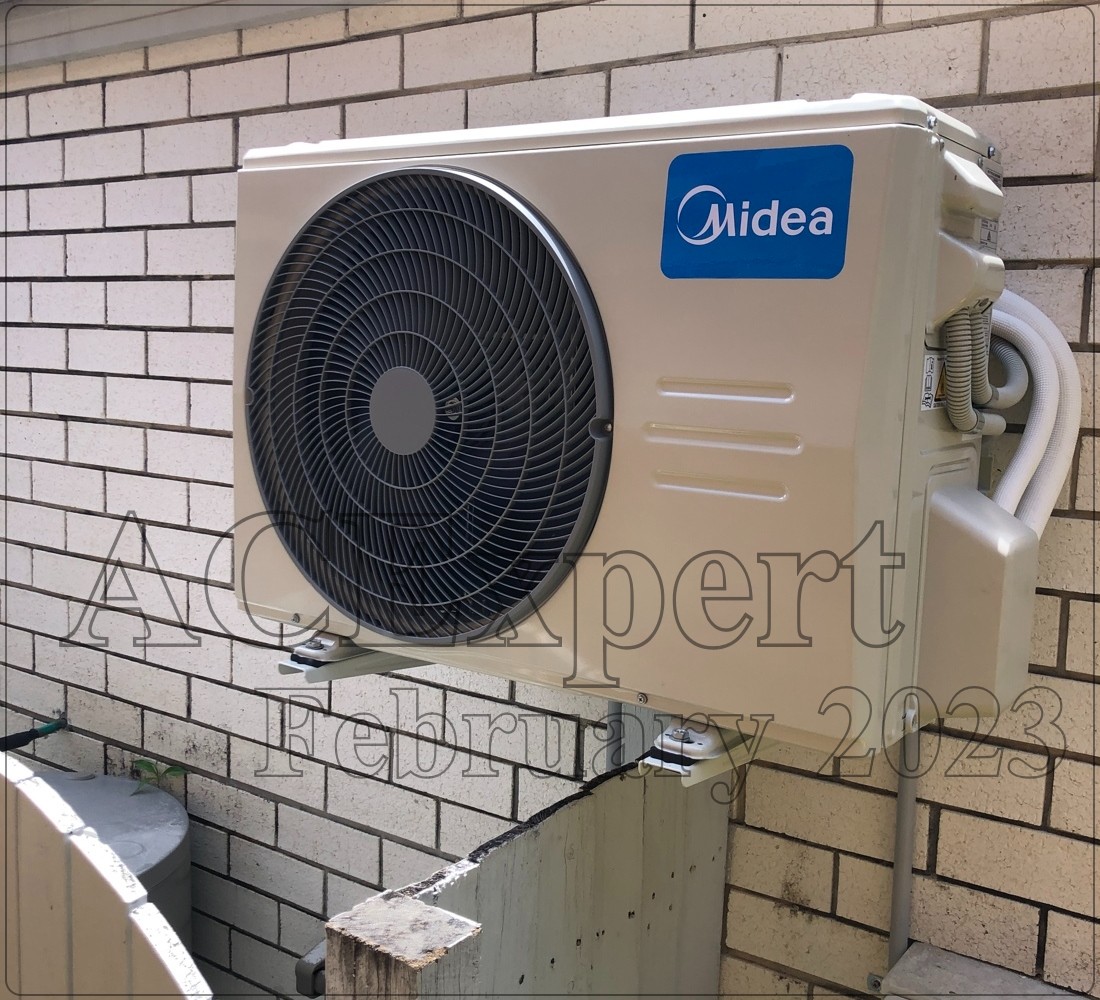
For most tiny homes, a reverse cycle split system is the gold standard. It heats and cools from one unit, uses a fraction of the energy of resistance heaters, and can be mounted high on a wall to save floor space. In a 20–40 square metre space, a 2.5 kW to 3.5 kW unit is usually sufficient, provided the home is reasonably insulated. The inverter compressor modulates output, so it doesn’t cycle on and off like an old-school window shaker. That means steady temperatures without the drama.
What Size Do You Actually Need?
Don’t guess. AS/NZS 5149-1 provides the method for heat load calculation, but a quick rule of thumb for a well-sealed tiny home in SEQ is roughly 100–120 W per square metre for heating. That’s lower than a standard home because the volume is smaller. A 3.5 kW unit will handle most tiny homes down to about 8°C outdoor ambient. But if your walls are uninsulated or you have large windows facing south, you’ll need to bump that up. Oversizing is just as bad as undersizing — short cycling wastes energy and wears the compressor.
Installation Considerations
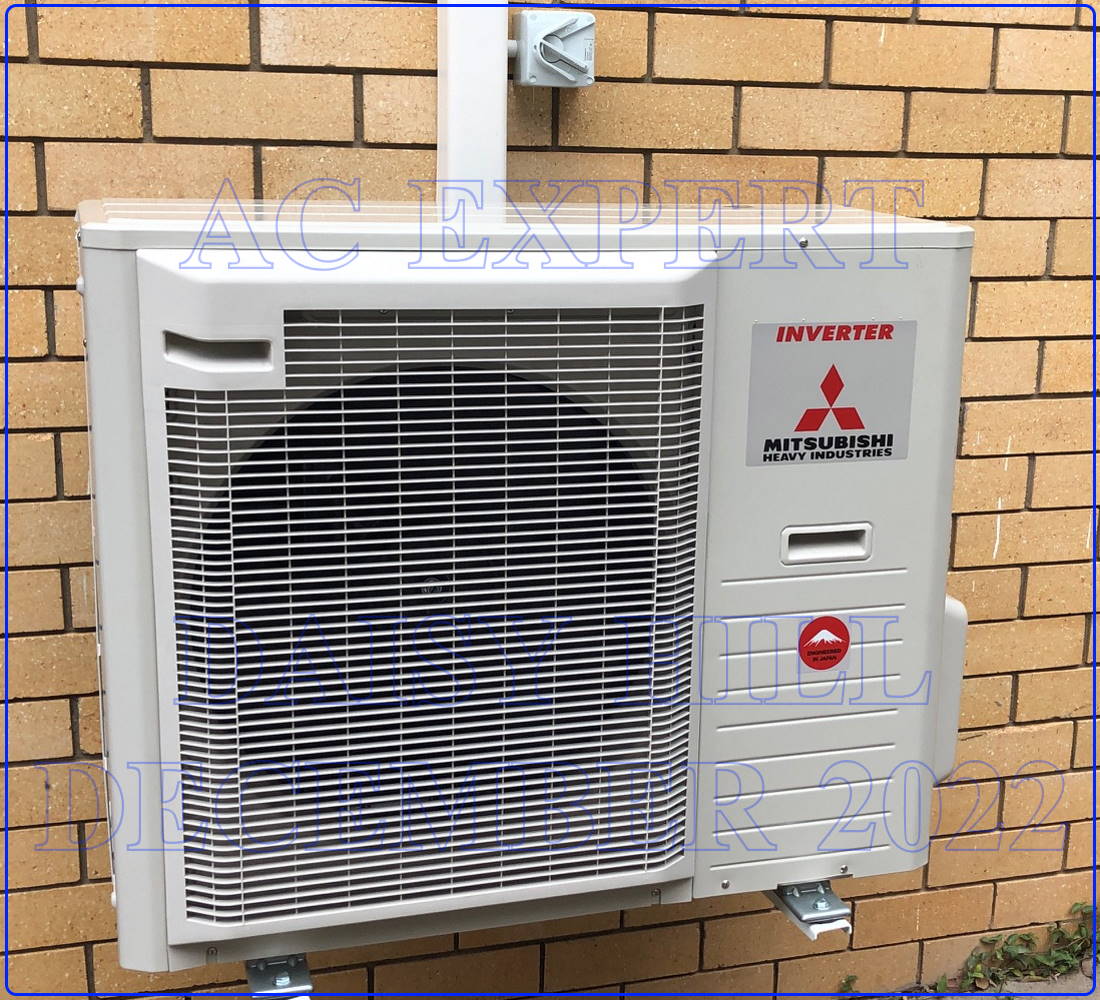
Wall space is at a premium. Consider a floor-mounted split system (often called a console unit) that sits low and blows across the floor. They’re more common in Europe and Japan but available here through Mitsubishi Heavy or Daikin. They also allow the outdoor unit to be placed on a small bracket rather than a full concrete pad. For mobile tiny homes on trailers, flexible refrigerant lines and vibration isolators are non-negotiable. A tradie once told me installing a split in a tiny house on wheels was like wrestling a possum in a drainpipe — awkward, sweaty, and you hope nobody’s filming. That weird expression aside, it’s doable with the right prep.
Insulation Is Non-Negotiable in a Tiny Home
You can buy the best reverse cycle unit on the market, but if your tiny home leaks air, you’re just heating the backyard. Insulation in Queensland tiny homes is often an afterthought — builders focus on weight or cost. But R-values matter. For winter heating in SEQ, aim for at least R2.0 in walls and R3.0 in the ceiling. Reflective foil insulation under the floor helps if the home is elevated. Seal all penetrations where pipes and wires enter. Use expanding foam around window frames. A blower door test isn’t realistic for a tiny home, but you can feel for drafts on a windy day.
tiny home heating winter queensland — what matters
Windows Are the Weakest Link
Single-glazed aluminium windows lose heat like a sieve. If replacing them isn’t an option, use heavy curtains with pelmets or adhesive film kits. For a tiny home, even bubble wrap on the glass can make a noticeable difference. It’s ugly, but so is shivering while you eat your Weet-Bix.
Smart Controls and Zoning for Efficiency
In a tiny home, zoning isn’t about multiple zones — it’s about controlling the one space precisely. Smart thermostats like the Cielo Breez or Sensibo let you schedule heating so the home warms up before you wake and turns off when you leave. They also provide usage data so you can see exactly what that 3.5 kW unit costs per hour. For off-grid tiny homes, some controllers can integrate with battery monitors.
Another trick: use the ceiling fan in winter on low speed, reverse direction (clockwise) to push warm air down from the ceiling. This prevents stratification and makes the room feel warmer without raising the set point. It’s cheap and effective.

Sizing Your System Correctly (Don’t Guess)
We touched on this earlier but it deserves its own section. Getting the capacity right for tiny home heating winter Queensland is where most DIY installs fail. A 2.5 kW unit might be enough for a 20 m² well-insulated box, but add a mezzanine bed and a stack of bookshelves, and heat distribution changes. Use the heat load calculator on this site or ask your local tech to run the numbers. The ARC tick holder should also check refrigerant line length — in a tiny home, the outdoor unit might be very close to the indoor unit, which can cause liquid slugging if not charged correctly.
Practical Tips for Winter Comfort
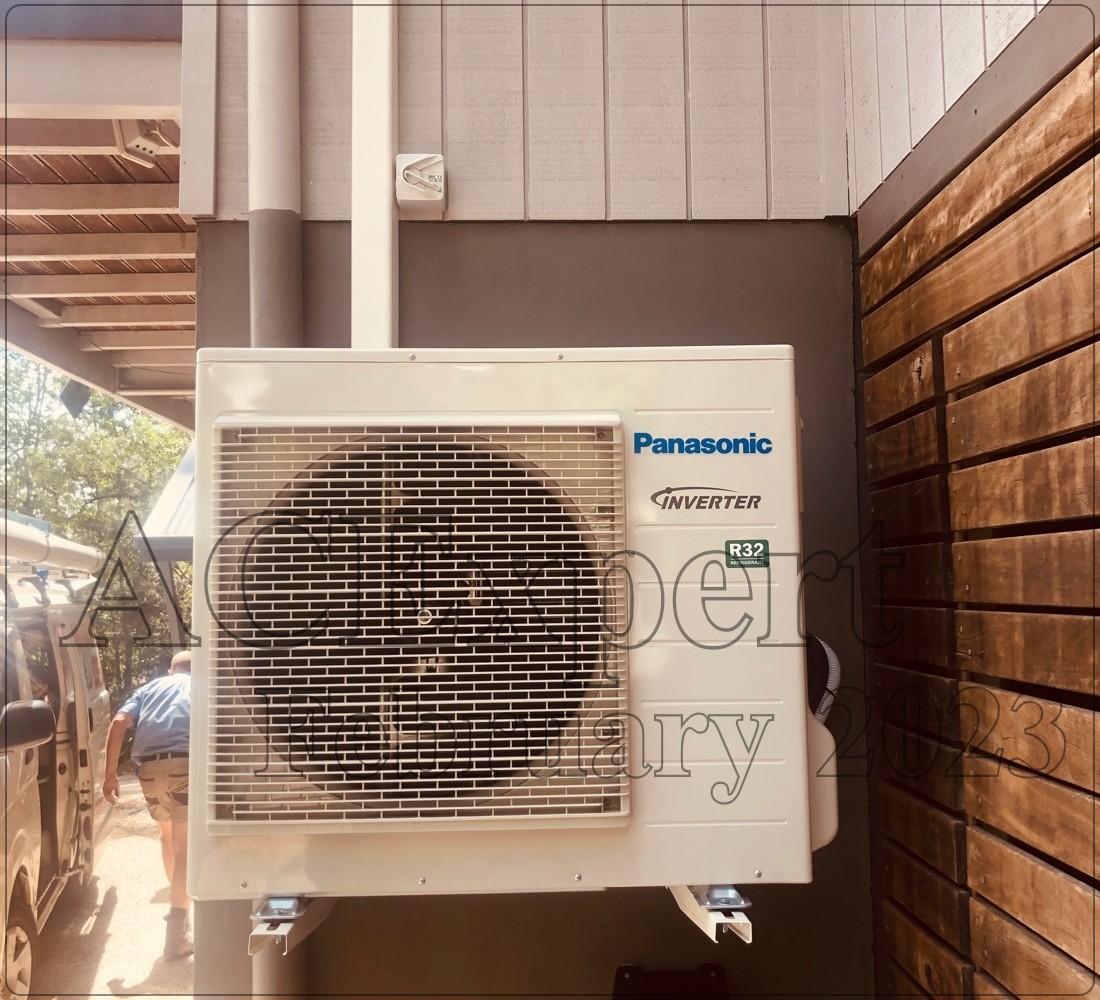
If you’re in Brisbane and need a qualified technician, get a free quote through the site. But before you call, do these three things: check your insulation, seal drafts, and clean your split system’s filters. Dirty filters restrict airflow and drop efficiency by 10–15%. Also, consider a ducted mini-duct system if you have an odd-shaped tiny home — some units like the Unico System fit into tight roof cavities. For most people though, a high-wall split with Wi-Fi control is the simplest tiny home heating winter Queensland solution that balances comfort and cost.
One more thing: don’t forget about humidity. Queensland winter mornings can be clammy. A reverse cycle system in heating mode also dehumidifies, which is a bonus. But if your unit runs short cycles, it won’t remove enough moisture. That’s less of a problem in a tiny home because the space is small and the system runs longer to satisfy the thermostat. Still, keep an eye on condensation on windows — that’s a sign you need more ventilation or a lower humidity level.
The bottom line: tiny home heating winter Queensland doesn’t have to be a battle. Choose a correctly sized reverse cycle split, wrap your tiny home in decent insulation, and use a smart controller to avoid wasting power. With the right setup, you’ll stay warm without breaking the bank. And hey, if you can avoid installing a ducted system in a 25 m² space, you’ll have more room for your surfboard collection.
.jpg "Tiny Home Heating Winter Queensland: Smart Solutions for Small Spaces")