


Brisbane’s mild winters still require reliable home heating, and split system air conditioners are a popular choice for efficient warmth. When your system fails to heat properly, it can disrupt your comfort and raise concerns about energy use or system health. Understanding common split system heating problems allows you to perform basic checks before seeking professional help, saving time and potentially avoiding costly repairs. This guide provides practical troubleshooting steps tailored to Brisbane homeowners, focusing on issues that may arise during the heating season.
split system heating problems
Start with the Thermostat and Power Supply
Incorrect settings or power issues are frequent culprits behind heating failures. Begin by verifying your thermostat configuration, as simple oversights can prevent the system from activating heating mode.
Thermostat Mode and Settings
Ensure the thermostat is set to ‘heat’ mode, not ‘cool’ or ‘auto’. Adjust the desired temperature to be higher than the current room temperature. For programmable thermostats, check the schedule—sometimes heating periods are set incorrectly. If the display is blank, replace batteries in wireless models or check wiring connections for hardwired units. Allow a few minutes for the system to respond, as some units have a delay before engaging the compressor.
Power and Electrical Checks
Inspect the power supply to the indoor and outdoor units. Confirm that the unit is plugged in securely and that dedicated circuit breakers in your switchboard haven’t tripped. Brisbane’s occasional power surges can cause resets, so resetting breakers may resolve the issue. If the unit still doesn’t power on, avoid further attempts and consider consulting a technician, as internal electrical faults require professional diagnosis.

Inspect Air Filters and Indoor Unit Condition
Dirty or blocked components significantly impact heating performance. Regular maintenance can prevent many issues, but if neglected, cleaning or adjustments may be needed.
Cleaning or Replacing Air Filters
Clogged filters restrict airflow, forcing the system to work harder and potentially overheat or shut down. Turn off the unit, open the front panel, and remove the filters. Washable filters should be cleaned with warm water and mild detergent every one to two months during heavy use. Disposable filters need replacement as per manufacturer guidelines. While the panel is open, ensure no obstructions like furniture or curtains block the indoor unit’s vents.
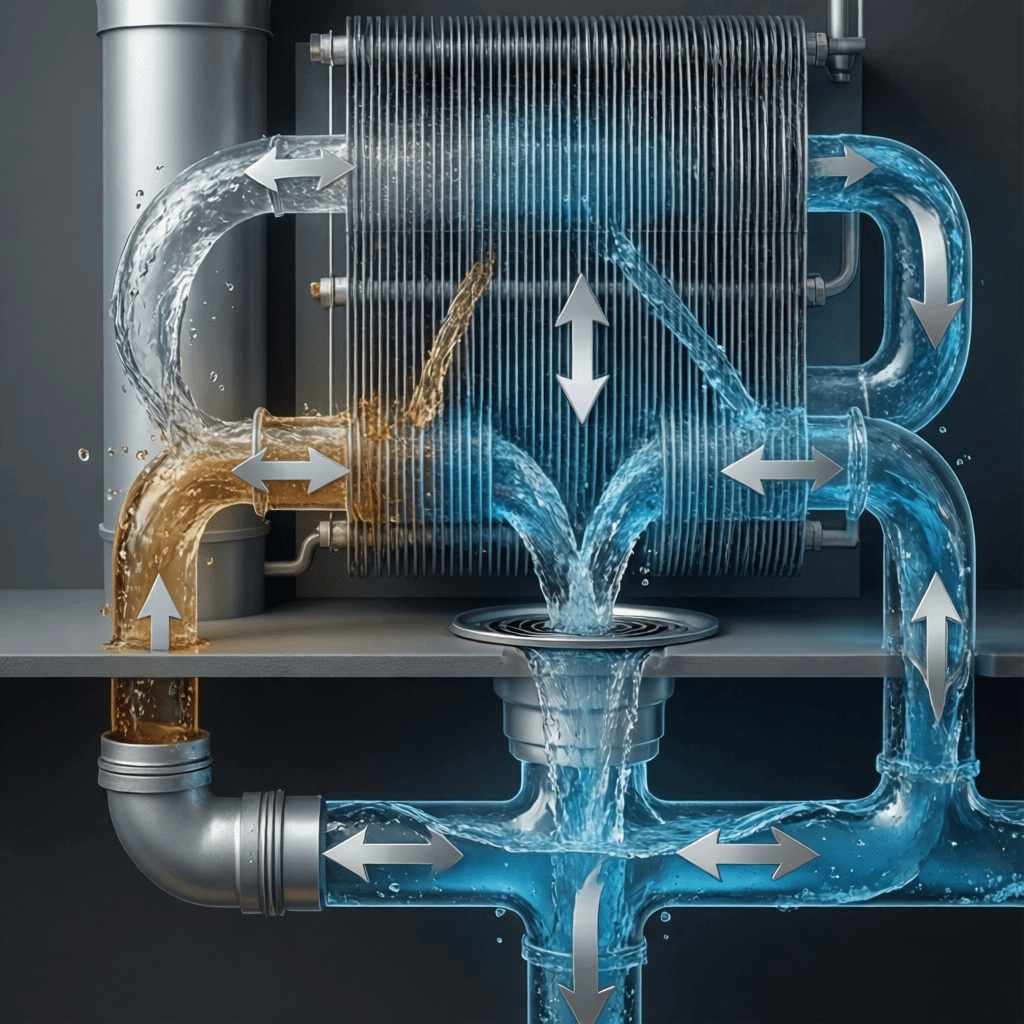
Checking for Ice Buildup and Condensation
If the indoor coils have frost or ice, it may indicate restricted airflow, low refrigerant, or a faulty defrost cycle. Turn off the system and let it thaw completely, which may take several hours. After defrosting, clean filters and ensure adequate room ventilation. Persistent ice buildup warrants professional attention, as refrigerant levels require expert assessment.
Examine the Outdoor Compressor Unit
The outdoor unit is essential for heat exchange in heating mode. Environmental factors and maintenance lapses can hinder its operation.
Clearing Debris and Ensuring Proper Airflow
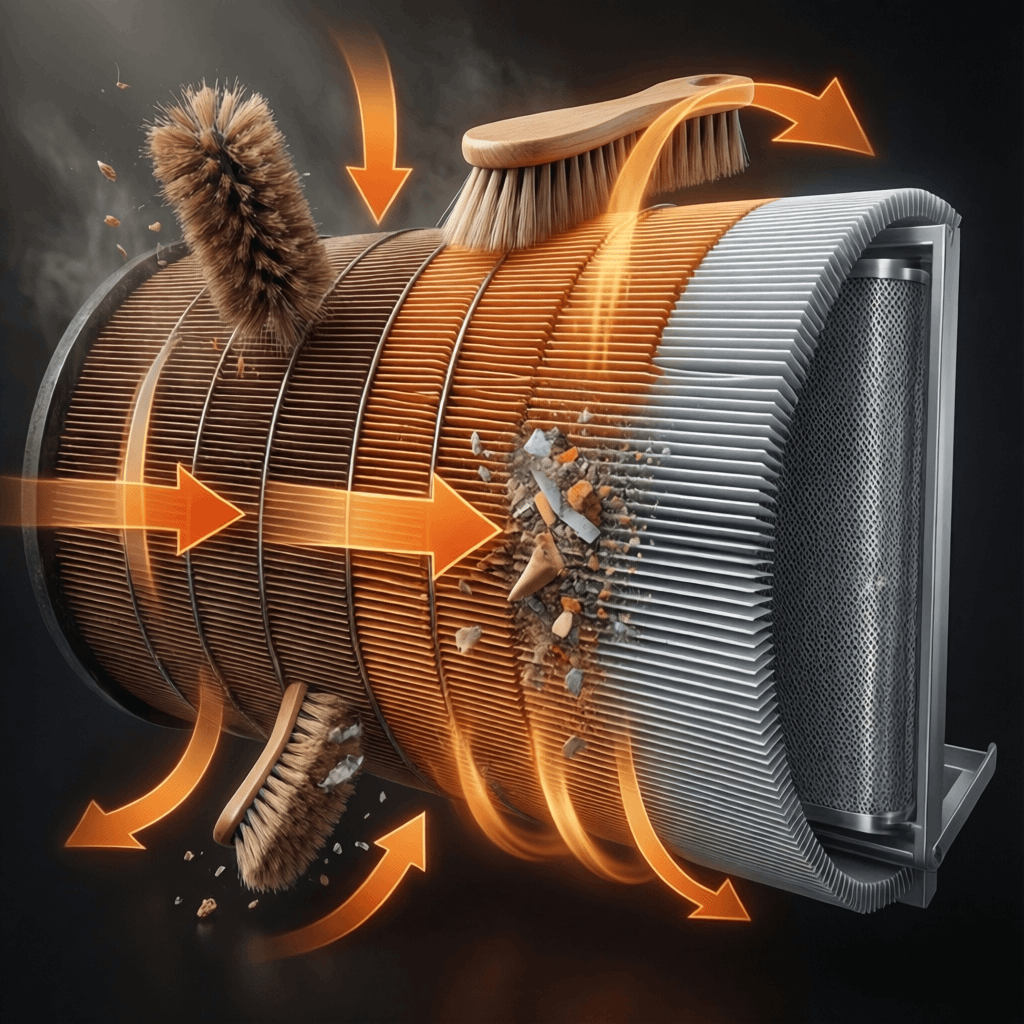
Brisbane’s leafy suburbs can lead to debris accumulation around the outdoor unit. Remove leaves, dirt, or branches blocking the unit, maintaining at least one meter of clearance on all sides for optimal airflow. Gently clean the condenser fins with a soft brush if dust buildup is visible, but avoid bending them. Ensure the unit is level, as uneven placement can affect performance.
split system heating problems — what matters
Addressing Ice or Frost on the Outdoor Unit
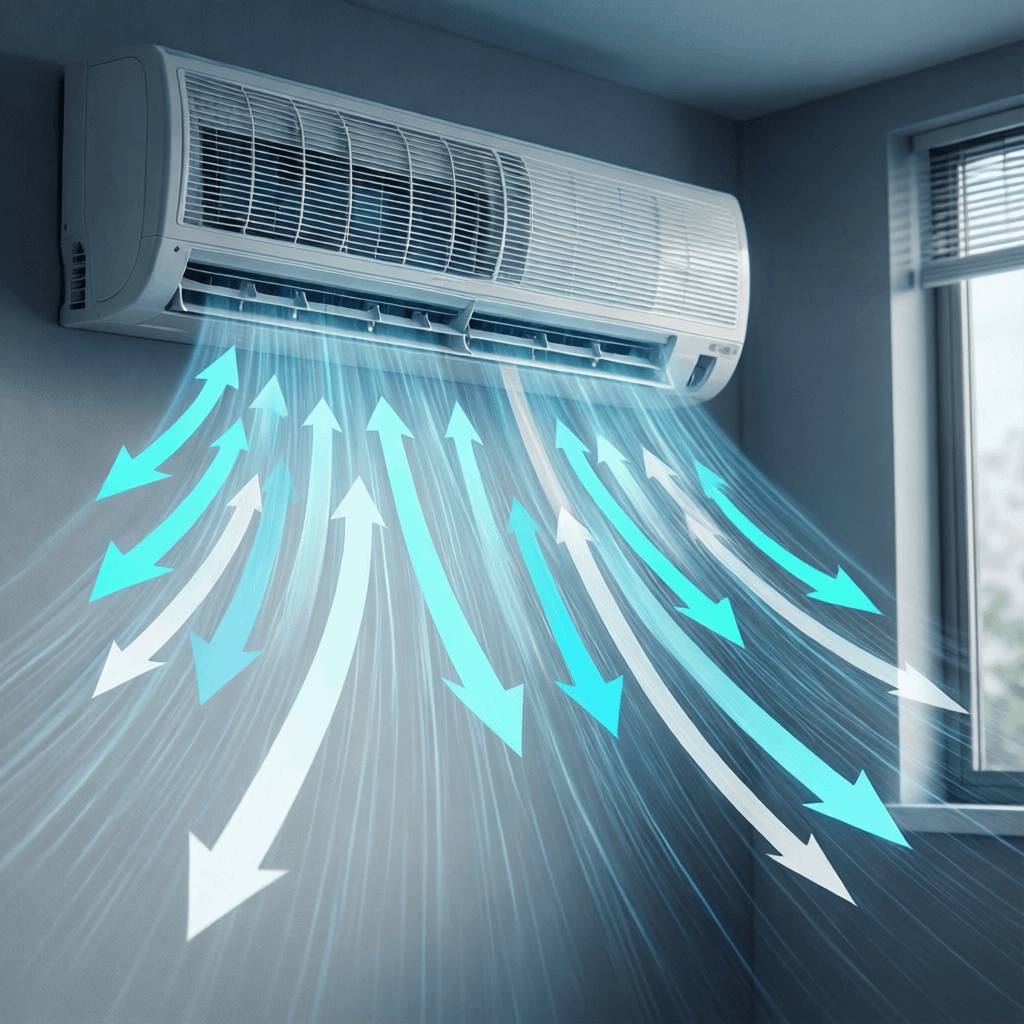
In heating mode, the outdoor unit may develop frost, which it periodically melts during a defrost cycle. Excessive ice, however, suggests issues like low refrigerant, a malfunctioning sensor, or a defective defrost control. If thick ice persists after the system runs, turn it off to prevent compressor damage. Do not attempt to chip ice manually, as this can cause further harm. Professional diagnosis is recommended for refrigerant or control system faults.
Identify Unusual Noises or Error Codes
Abnormal sounds or displayed codes can pinpoint specific malfunctions, guiding your troubleshooting efforts.
Common Noises and Their Implications
- Clicking or Buzzing: May indicate electrical component issues, such as a failing contactor or relay, or debris trapped in the unit.
- Hissing or Bubbling: Often points to a refrigerant leak, which reduces heating efficiency and requires immediate professional repair.
- Banging or Rattling: Could be due to loose parts, a damaged fan blade, or compressor issues. Turn off the unit to avoid further damage.
Persistent noises should not be ignored, as they can lead to more severe problems if left unchecked.
Understanding Error Codes
Modern split systems, including Mitsubishi Heavy Industry models, display error codes on the indoor unit or remote control. Refer to your user manual for code interpretations—common heating-related codes might involve sensor errors, communication faults, or compressor protection modes. Try resetting the system by turning it off at the power for a few minutes before restarting. If codes reappear, note them for a technician, as this information helps in accurate diagnosis.
When to Seek Professional Assistance
While basic troubleshooting can resolve many issues, some situations require expert intervention to ensure safety and system longevity.
Signs That Indicate the Need for a Technician
- The system fails to heat after all basic checks, including thermostat, filters, and power.
- Suspected refrigerant leaks, evidenced by hissing noises, reduced airflow, or persistent ice.
- Recurring error codes that do not clear after resets.
- Electrical issues such as frequent breaker trips or burning smells.
- The unit is older and may require part replacements or a full service overhaul.
In Brisbane, professional services like AC Expert offer specialized knowledge in split system installations and repairs, ensuring issues are addressed efficiently and safely.
Preventive Maintenance for Reliable Heating
Regular upkeep minimizes the risk of split system heating problems and enhances energy efficiency. Schedule an annual professional service before winter to check refrigerant levels, electrical connections, and overall performance. Clean filters monthly during peak usage, and keep the outdoor unit clear of debris year-round. Monitor your system’s performance and address minor issues promptly to avoid major repairs.
By following these troubleshooting steps, you can often identify and resolve simple heating issues in your Brisbane home. Remember that persistent problems or complex faults are best handled by qualified technicians, ensuring your split system provides consistent warmth when you need it most.
Related on this site
- Hard Floor Heating Winter Queensland: Tips for Cosy Rooms
- Smart Controls for Your Split System: Enhancing Comfort and Efficiency in Brisbane Homes
- Reverse Cycle vs Gas Heating Queensland: Which Wins?
- Energy Efficient Winter Heating Tips for SE QLD Homes
.jpg "Troubleshooting Your Split System When It Fails to Heat Your Brisbane Home")