




Queensland winters don’t throw the sort of bone‑chilling cold you’d get down south, but those 8°C mornings and damp afternoons still have plenty of us reaching for the heater. If you’re weighing up reverse cycle vs gas heating Queensland style, it’s worth understanding how each system behaves in our mild, often humid climate. The wrong choice can leave you with high bills, poor comfort or unnecessary maintenance. Let’s dig into what actually works in SE QLD.
Understanding Your Heating Options in SE QLD
How reverse cycle air conditioning works
Reverse cycle is a heat pump system. It extracts heat from the outside air (even when it’s cold) and pumps it inside. In our part of the world where winter temps rarely drop below 2–3°C, the coefficient of performance (COP) stays high – typically 3.5 to 5. That means for every 1 kW of electricity, you get 3.5–5 kW of heat. Split systems, multi‑heads and ducted reverse cycle all work the same way, and they also double as air conditioners for summer, which is a big plus in Queensland.
Gas heating basics
Gas heating in Queensland usually comes as a dedicated space heater (flued or unflued) or as part of a gas ducted system. Flued units vent combustion gases outside, while unflued ones release everything into the room. Gas ducted systems use a central heater and run through ceiling vents. Natural gas or LPG are both options, though many homes in SE QLD have access to reticulated natural gas. Efficiency is measured by the star rating – most modern units sit around 4–5 stars (roughly 85–90% thermal efficiency).
Running Costs: What the Numbers Say
This is where the reverse cycle vs gas heating Queensland debate gets interesting.
Reverse cycle running cost
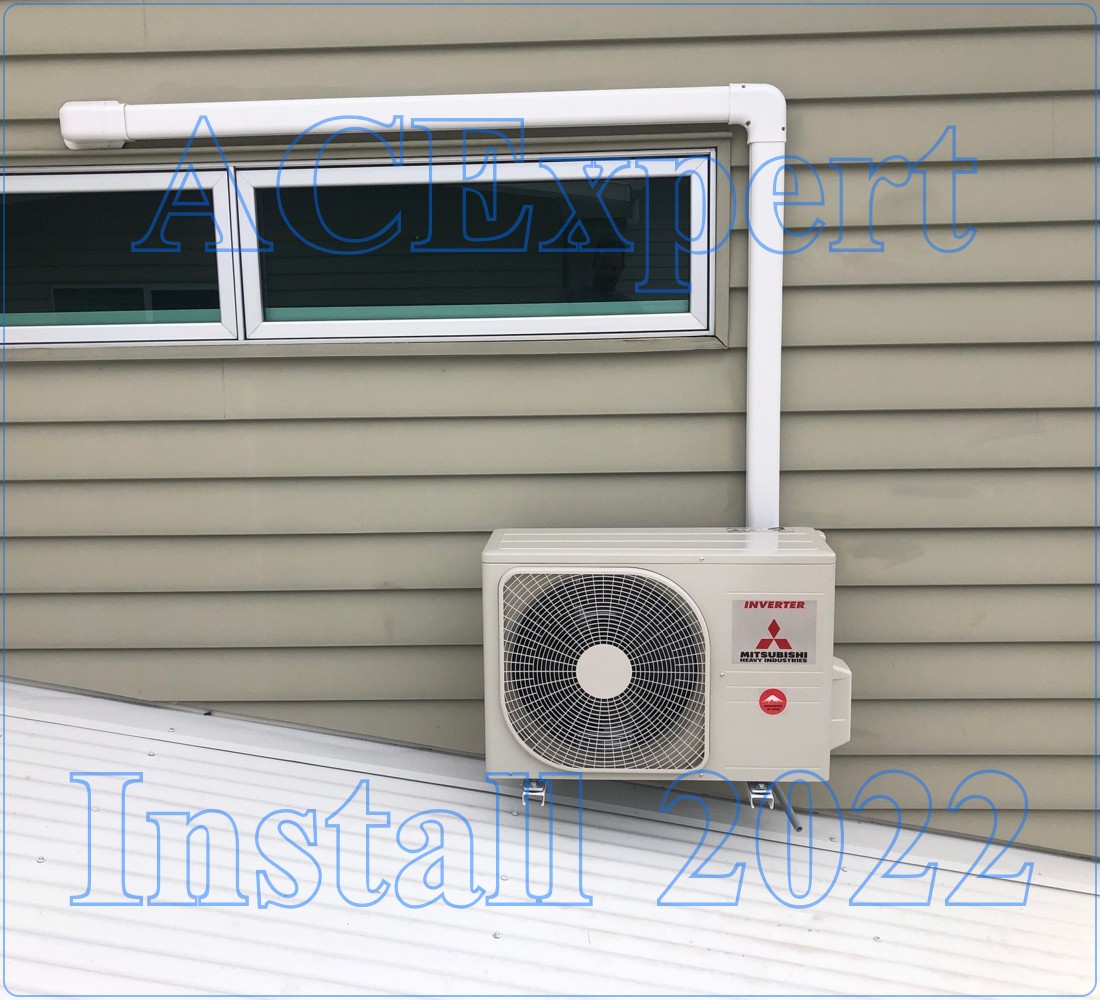
A 3.5 kW reverse cycle split system (adequate for a small‑to‑medium living area) pulling 1 kW at full load costs around 25–30 cents per hour at typical SE QLD electricity rates (≈28 c/kWh). Because it cycles on and off, the actual average is lower – maybe 15–20 c/hour. Over a 2‑hour morning warm‑up and a 4‑hour evening session for 90 days, that’s around $80–$100 for the season.
Gas heating running cost
A 4‑star flued gas space heater rated at 5 MJ/h output burns about 5.5 MJ/h of gas input. Natural gas in Brisbane costs roughly 2.5–3.5 c/MJ. That works out to 14–19 c/hour. Gas ducted systems are larger (20–30 MJ/h) and cost 50–80 c/hour to run. If you heat multiple rooms, gas may appear cost‑competitive, but the catch is that gas heaters typically run continuously once lit (no cycling like reverse cycle). The Queensland average residential gas usage for heating in winter is around 8–12 GJ – that’s $200–$400 per season for a whole‑house ducted system.
So reverse cycle is often cheaper for spot heating, while gas ducted can be similar or higher depending on your house size and insulation.
Comfort and Performance in Queensland Conditions
Even heating vs quick blasts
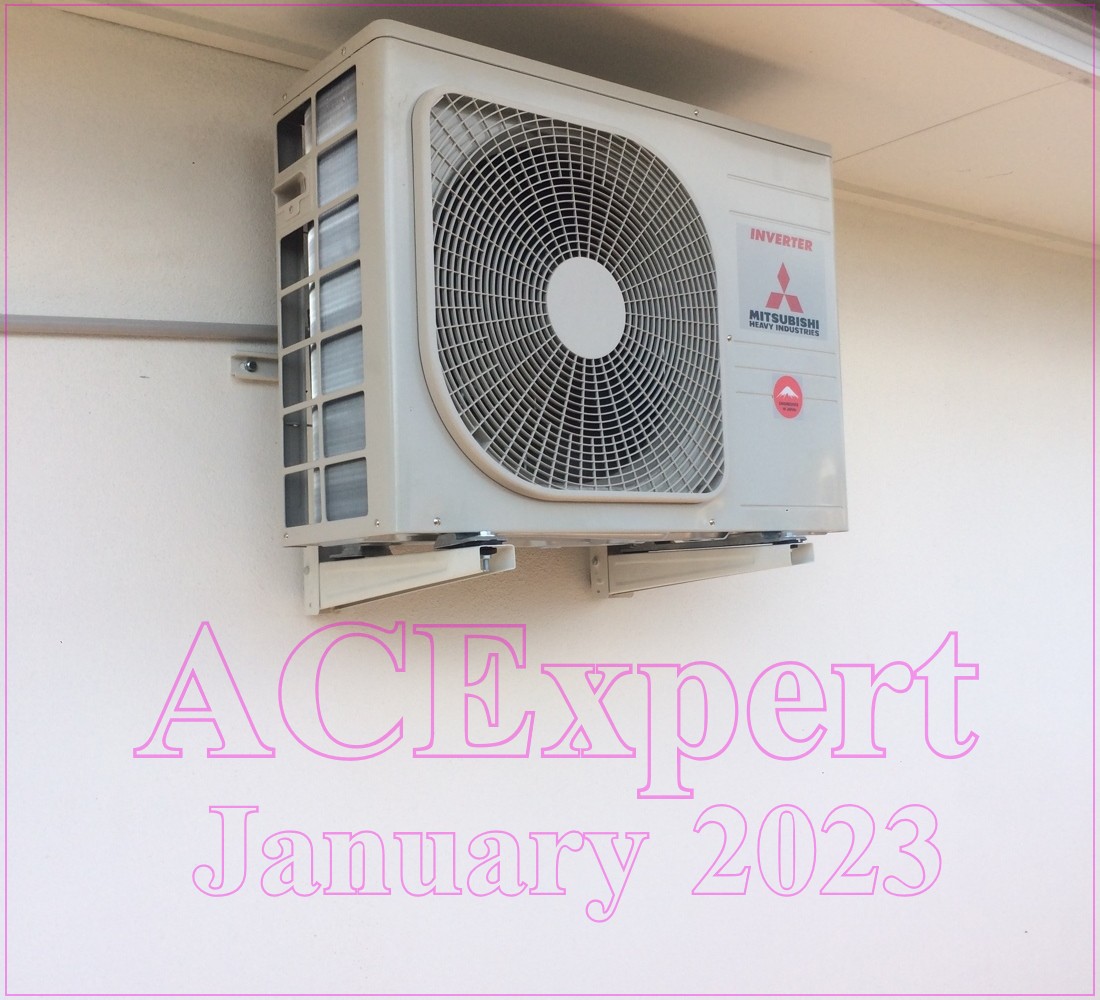
Reverse cycle split systems work well in well‑sealed rooms. They deliver a steady, even temperature and are quiet once the compressor ramps down. In our mild climate, they rarely struggle to keep up, even on the odd 2°C morning. Gas space heaters provide a more radiant, “instant” warmth – you feel it quickly if you sit near it, but far corners can stay chilly. Ducted gas systems push warm air out of vents, which can create temperature stratification (hot ceiling, cold floor) unless the house is well sealed.
Humidity and air quality
This is a big one for Queensland. Reverse cycle systems remove moisture as they heat – they dehumidify the air, which is a blessing when our “cold” feels damp. Gas heaters, especially unflued ones, add moisture to the room. In a tight modern home, that can lead to condensation on windows and that clammy feeling. Unflued gas also releases nitrogen dioxide and carbon dioxide – AS/NZS 5601.1 limits their use in bedrooms and requires ventilation. Flued units avoid these issues but are less efficient because some heat goes up the flue.

Installation and Maintanence Considerations
Let’s be honest – installation and ongoing care can tip the scales quickly.
Reverse cycle installation
Installing a split system is straightforward for a licenced refrigeration mechanic (ARC tick required for handling refrigerant). The biggest cost is running the copper lines and electrical cabling. Ducted reverse cycle is a bigger job – ceiling space, zoning, outdoor unit placement. But the beauty is that you’re getting a heater and an air conditioner in one. Annual service involves cleaning filters and checking refrigerant charge – around $150–$200.
Gas heater installation
Gas work requires a licenced gasfitter. Flued units need termination through an outside wall, and clearance from windows and doors (AS/NZS 5601.1). Gas ducted systems add the complexity of ductwork. Annual service is mandatory for gas heaters (and recommended for safety) – a gasfitter will check the burner, heat exchanger and flue for carbon monoxide leaks. Cost $200–$300. If your home doesn’t already have a gas line, running one can be expensive – $500–$2000 depending on distance.
There’s also the safety angle. Carbon monoxide poisoning is rare with modern flued heaters, but it happens if the flue is blocked or the unit is poorly maintained. Reverse cycle has zero combustion risk.
Environmental Impact and Future‑Proofing
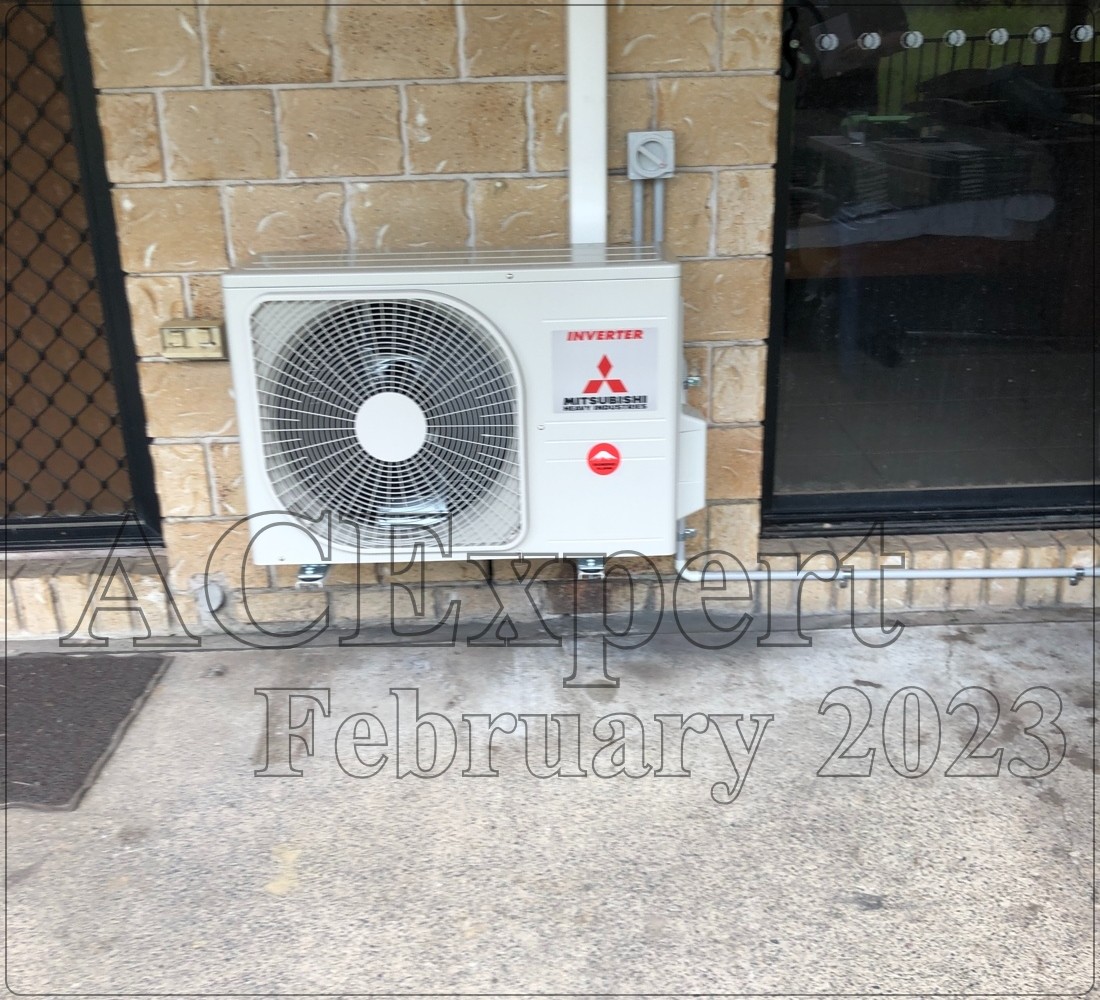
Australia is slowly edgeing away from gas. Some states have banned gas connections in new homes, and the Australian Energy Market Operator sees gas demand declining. Meanwhile, reverse cycle systems are getting more efficient every year. The latest units use R32 refrigerant with a low global warming potential (GWP of 675, well under R410A’s 2088). And if you’ve got solar panels – like many Queenslanders do – running a reverse cycle heater on daytime solar is effectively free.
Gas is a fossil fuel. Even “green gas” programs are really just carbon offsets, not a zero‑emission solution. If you’re planning to stay in your home for 10+ years, reverse cycle is the more sustainable choice.
The Verdict for Queensland Homeowners
When you line up reverse cycle vs gas heating Queensland side by side, reverse cycle usually comes out ahead for most households. It’s cheaper to run for spot heating, doubles as air conditioning, improves indoor humidity, and has no combustion safety risks. If you live in a large home with existing gas infrastructure and you want whole‑house heating quickly, a gas ducted system might be worth it – but you’ll still need cooling. Makes a possum in a ceiling look organised, I reckon.
If you’re unsure which system fits your home, get a local tradesperson to run a proper heat‑load calculation (AS/NZS 4232 compliance is key). They’ll look at your insulation, window orientation, ceiling height and room use. And if you’re in Brisbane and need a qualified technician, get a free quote through the site.
.jpg "Reverse Cycle vs Gas Heating Queensland: Which Wins?")