




You have picked the perfect indoor unit for your living room, but your split system installation will fail if the outdoor condenser is tucked into a cramped, sun-baked corner. The best place for the unit is a cool, shaded, and level area that allows for completely unobstructed airflow, short refrigerant pipe runs, and physical isolation from the home’s structure. Positioning this unit correctly is the single most important factor in preventing premature compressor failure and keeping your energy bills under control.
If you force the condenser into a spot where it cannot “breathe” or where it catches the brunt of the afternoon heat, you are essentially paying for an air conditioner that has to work twice as hard to do its job. We see many units failing early simply because they were placed in a location that forces the compressor to run at maximum load to compensate for high ambient temperatures.
Can Your System Breathe Properly?
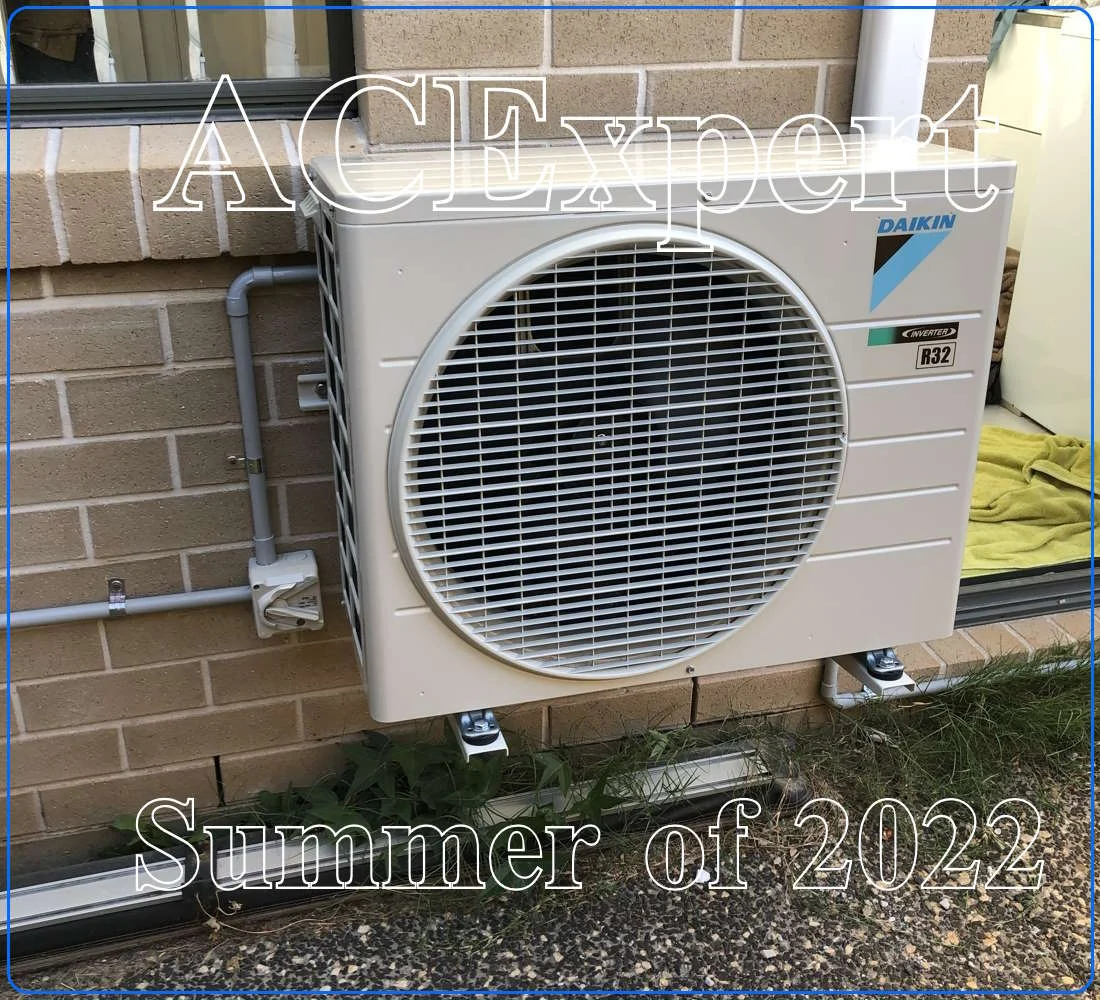
The outdoor unit functions by discharging a massive volume of warm air. If you obstruct this flow, the system effectively tries to cool your home using its own hot exhaust. To prevent this, you must maintain a minimum clearance of 300mm to 500mm around the front and sides of the unit. This space is not optional; it is the manufacturer’s requirement for heat dissipation.
If you are installing the unit in a narrow side passage, avoid placing it near dense shrubbery or storage items. If the unit is forced to pull in its own hot air, internal pressure spikes, which triggers the compressor to draw significantly more current. We recommend wall-mounting on high-grade brackets rather than ground-mounting if your exterior space is prone to leaf litter or vegetation build-up, as this keeps the unit clear of ground-level debris that chokes the intake vents.
Is the Location Protected From Sun?
Brisbane summers are punishing, and your air conditioner should not have to fight the direct sun just to operate. When a condenser sits in direct, western-facing afternoon sun, the temperature of the internal refrigerant lines rises before the unit even switches on. This creates an immediate heat load that forces the system to run longer cycles to reach your target temperature.
If your only available wall is exposed to afternoon sun, it is better to prioritize a custom shroud or an awning. A simple weather-protection covering makes a measurable difference in your energy consumption throughout the season by keeping the cabinet temperature lower. If you have a choice between a southern wall and a western wall, always choose the south; it provides natural shade that keeps the compressor running cooler and more efficiently.
Does the Unit Transmit Vibration?
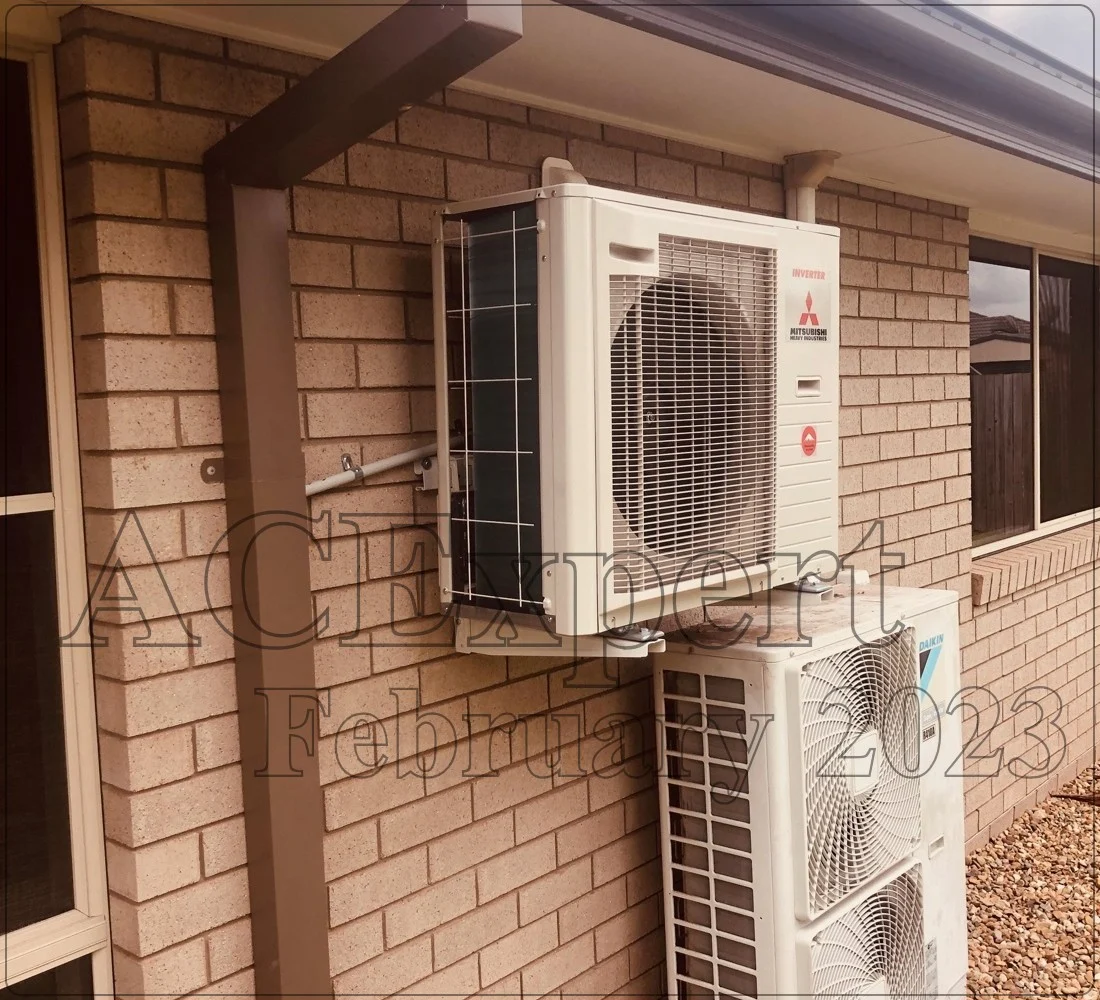
Many homeowners believe the persistent “hum” of an air conditioner is an unavoidable fact of life, but it is often just a sign of poor mounting. If the condenser is bolted directly to a timber-framed wall or thin brick veneer, that vibration travels through your home’s structure like a tuning fork. This is especially disruptive if the unit is located near a bedroom window or a study.
We mandate the use of high-density rubber vibration-dampening feet or specialized wall brackets with integrated shock absorbers for every installation. These mounts decouple the mechanical vibration of the compressor from your home’s walls. If a bedroom window is near your preferred site, we prioritize moving the unit at least two meters away. This distance ensures you remain compliant with local Brisbane council noise ordinances, which are increasingly strict regarding residential equipment placement and neighborhood amenity.
Is the Pipe Run Short Enough?
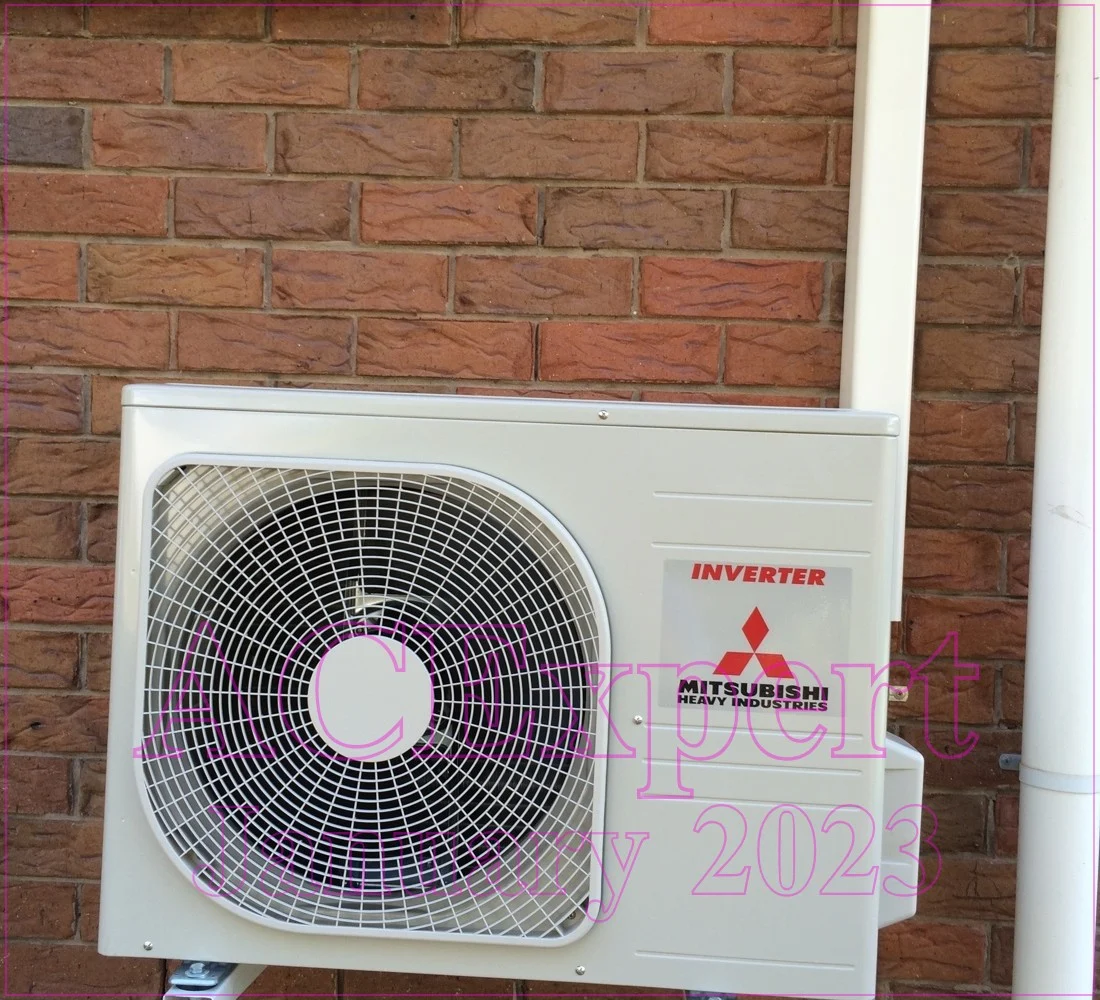
The efficiency of your system is tied directly to the length of the copper refrigerant lines. Every meter of copper added to the system increases the workload on the compressor and introduces more friction into the cycle. We aim for the shortest possible path between your indoor and outdoor units, ideally on the same wall or around an adjacent corner.
Long pipe runs also require more refrigerant and more specialized insulation, which increases your initial installation costs. If you are planning your site layout, try to visualize the path the copper lines will take. Avoiding sharp bends and minimizing the total distance prevents oil return issues, where the compressor struggles to circulate oil back from the indoor unit, a common cause of mechanical failure in poorly planned installations.
Checklist for Your Site Assessment
Before you commit to a location, perform this site check to ensure your space meets the technical requirements for a long-lasting installation:
- Airflow Path: Is there at least 500mm of open air in front of the discharge fan? Ensure no fences, lattices, or plants block this path.
- Sun Exposure: Will the unit be in direct, scorching afternoon sun at 3:00 PM? If yes, plan for an external shroud.
- Vibration Potential: Will the unit be mounted on a wall shared with a bedroom? Consider ground mounting or heavy-duty rubber isolation feet.
- Noise Compliance: Is the unit at least two meters from a neighbor’s window or your own sleeping area?
- Pipe Efficiency: Can the unit be placed on the same wall or just around the corner from the indoor evaporator?
If you are unsure whether your preferred spot complies with these technical standards, call us at 0420 718 827. During our site assessment, we map these factors out specifically for your property layout, ensuring that your choice of location protects the longevity and efficiency of your new system.

.jpg "Where to Place Your Outdoor Split System Unit in Brisbane")