




If you’re planning to install a split system air conditioner in your Brisbane home, one of the first questions you’ll ask is: how long will it take? The answer depends on several factors, from the type of system you choose to the layout of your home. Understanding realistic timelines helps you plan around the installation and avoid frustration if unexpected delays arise. Below, we break down the process so you know exactly what to expect.
how long does installation take
Standard Installation Time
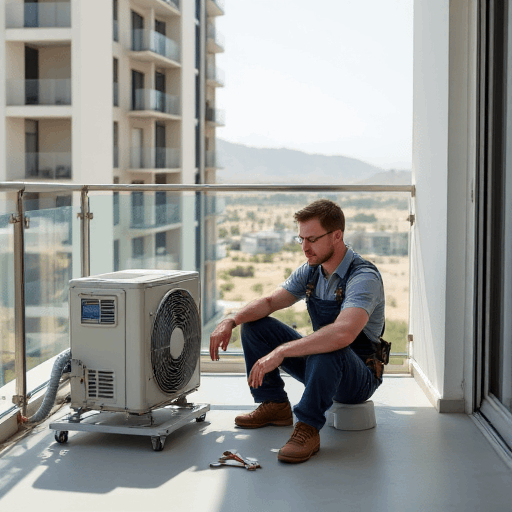
A straightforward split system installation in Brisbane typically takes between 4 and 8 hours. This timeframe applies to most residential jobs where:
- The indoor and outdoor units are easily accessible
- No major modifications to walls or ceilings are needed
- The electrical and refrigerant lines can be run along existing paths
- The home has standard construction (brick veneer or weatherboard)
For a single-storey home with a clear path between the indoor and outdoor units, a skilled team can often complete the job in half a day. However, even simple installations may stretch to a full day if minor complications arise.
What Slows It Down
Several common issues can extend the installation time, even in what seems like a standard setup:
- Wall material: Drilling through double brick or concrete takes longer than timber or plasterboard.
- Unit placement: Mounting the outdoor unit on a high wall or roof requires extra safety measures and equipment.
- Line routing: Running refrigerant lines around corners or through tight spaces adds time.
- Electrical work: If your switchboard needs an upgrade or a dedicated circuit, an electrician may need to visit first.
Most of these delays add 1 to 3 hours to the job. A good installer will flag potential issues during the pre-installation site check.
Complex Installations
Some homes require more time due to their design or the type of system being installed. Here’s what can turn a standard installation into a multi-day project:
Multi-Storey Homes
Installing a split system in a two-storey home often takes 6 to 12 hours, depending on:
- Whether the indoor unit is on the ground or upper floor
- If the outdoor unit can be placed at ground level or needs roof mounting
- The length of refrigerant lines needed to connect the units
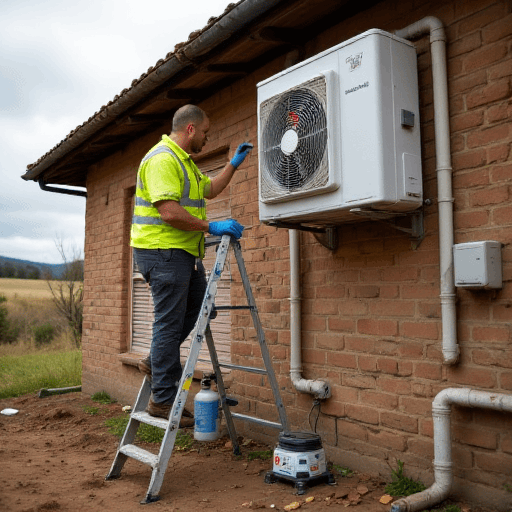
Roof-mounted outdoor units require scaffolding or elevated work platforms, which adds setup time. If the indoor unit is on the upper floor, the team may need to core drill through the ceiling to run lines, which is slower than wall-mounted routes.
Multi-Split Systems
Multi-split systems—where one outdoor unit powers two or more indoor units—take longer to install than single-split systems. Expect the job to take:
- 8 to 12 hours for two indoor units
- 12 to 16 hours for three or more indoor units
The extra time comes from running multiple refrigerant lines, mounting additional indoor units, and balancing the system to ensure even cooling. If the indoor units are in different rooms or on different floors, the installation becomes even more complex.
Older Homes
Homes built before the 1990s often lack the infrastructure for modern air conditioning. Common challenges include:
- No existing cavity in walls for refrigerant lines
- Outdated electrical systems that need upgrading
- Asbestos or other hazardous materials that require safe removal
- Narrow or awkward spaces for outdoor unit placement
In these cases, installation can take 1 to 2 days, especially if asbestos removal is needed. A thorough site inspection before the job will identify these issues so you can plan accordingly.
Unforeseen Delays
Even with careful planning, some delays are unavoidable. Here are the most common ones and how they affect your split system installation time:
Weather Conditions
Brisbane’s weather can disrupt outdoor work, particularly if:
- Heavy rain makes roof or wall mounting unsafe
- Extreme heat slows down the team’s work rate
- Strong winds make it unsafe to use ladders or elevated platforms
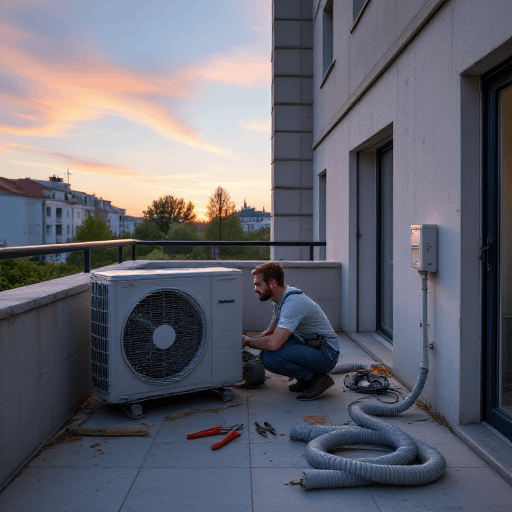
If the forecast looks bad, your installer may reschedule part of the job to ensure safety and quality. This could push a one-day installation into two days.

Hidden Structural Issues
Once the team starts work, they might discover problems that weren’t visible during the initial inspection, such as:
how long does installation take — what matters
- Rotting timber or termite damage behind walls
- Electrical wiring that doesn’t meet current safety standards
- Plumbing or gas lines in the way of refrigerant lines
- Weak or unstable walls that can’t support the indoor unit
Fixing these issues can add 2 to 6 hours to the job, depending on the problem. In rare cases, the installation may need to pause while you arrange repairs from another tradesperson.
Permit or Approval Delays
While most split system installations in Brisbane don’t require council approval, some situations do:
- If the outdoor unit is mounted on a boundary fence or shared wall
- If the installation affects the external appearance of a heritage-listed home
- If the electrical work requires a major upgrade
If approval is needed, the installation can’t proceed until it’s granted. This can add days or even weeks to the timeline, so it’s best to check with your installer early in the process.
How to Speed It Up
While some delays are out of your control, there are steps you can take to ensure your split system installation time is as short as possible:
Prepare the Work Area
Clear the spaces where the indoor and outdoor units will be installed. This includes:
- Moving furniture, artwork, or shelving away from walls
- Trimming plants or trees near the outdoor unit location
- Ensuring the team has unobstructed access to the work area
A tidy workspace allows the installers to work efficiently and reduces the risk of accidental damage to your belongings.
Choose the Right Unit
Selecting a unit that’s appropriately sized for your space avoids delays caused by:
- Last-minute changes if the unit is too small or too large
- Additional electrical work if the unit requires more power than your home can provide
- Extra refrigerant line length if the unit’s placement isn’t optimal
Your installer can recommend the best unit for your home during the initial consultation, which saves time later.
Schedule Wisely
Book your installation for a time when:
- You can be home to answer any questions the team might have
- There’s minimal disruption to your daily routine
- The weather forecast is clear
Avoid scheduling during peak demand periods, such as the start of summer, when installers are busiest and jobs may take longer due to high workloads.
What to Expect After
Once the installation is complete, your installer should:
- Test the system to ensure it’s working correctly
- Show you how to use the remote control and basic functions
- Explain the warranty and any maintenance requirements
- Clean up the work area, including removing packaging and debris
This final step usually takes 30 to 60 minutes. If anything isn’t working as expected, the team should address it before leaving.
Follow-Up Checks
Some installers offer a follow-up visit within a few weeks to check that the system is running efficiently. This is particularly useful if:
- You’ve never used a split system before
- The installation was complex or involved multiple units
- You want to ensure the system is performing at its best
Ask your installer if this service is included or available for an additional fee.
Final Thoughts
Most split system installations in Brisbane take between 4 and 8 hours, but complex jobs can stretch to 1 or 2 days. By understanding the factors that affect installation time—such as your home’s layout, the type of system, and potential delays—you can set realistic expectations and plan accordingly.
Choosing an experienced installer who conducts a thorough site inspection beforehand is the best way to avoid surprises. They’ll identify potential challenges early and give you a more accurate timeline for your specific job. With the right preparation and a clear understanding of the process, you’ll be enjoying cool, comfortable air in no time.
.jpg "How Long Does Installation Take")