



When the sun goes down in inland Queensland, the temperature can drop faster than a tradie’s enthusiasm on a Monday morning. Frosty mornings are not just a coastal myth – if you live west of the Great Dividing Range, you know the struggle of scraping ice off the car windscreen while your bones protest. That’s why getting your inland Queensland winter heating right isn’t a luxury; it’s a survival necessity.
Why Inland Queensland Gets So Cold at Night
The geography of inland Queensland – think Toowoomba, Stanthorpe, Roma, and Longreach – means clear skies and dry air. Without the coastal humidity to trap heat, radiational cooling kicks in hard. Winter nights often drop below 5°C, and in areas like Stanthorpe, they can hit -5°C. The result? Your brick veneer home acts like a giant radiator, bleeding warmth into the night sky.
Many homeowners assume a standard split system will handle it, but the thermal load in these zones demands larger capacity units or supplementary heating. A 2.5kW unit that keeps a bedroom cosy in Brisbane will leave you shivering in Dalby.
 conditioningexpert.com.au/wp-content/uploads/2026/06/ACExpert-Brisbane-split-system-Installation-364-1.jpg” alt=”Close-up of a digital thermostat with temperature display set for comfortable winter evenings” title=”Indoor unit glowing with heat mode light” class=”size-large wp-image-366290″ loading=”lazy” />
Choosing the Right Heating for Inland QLD Winters
There’s no one-size-fits-all for inland Queensland winter heating. You have to match the system to the house, the budget, and the severity of your local climate.
Reverse Cycle Air Conditioning
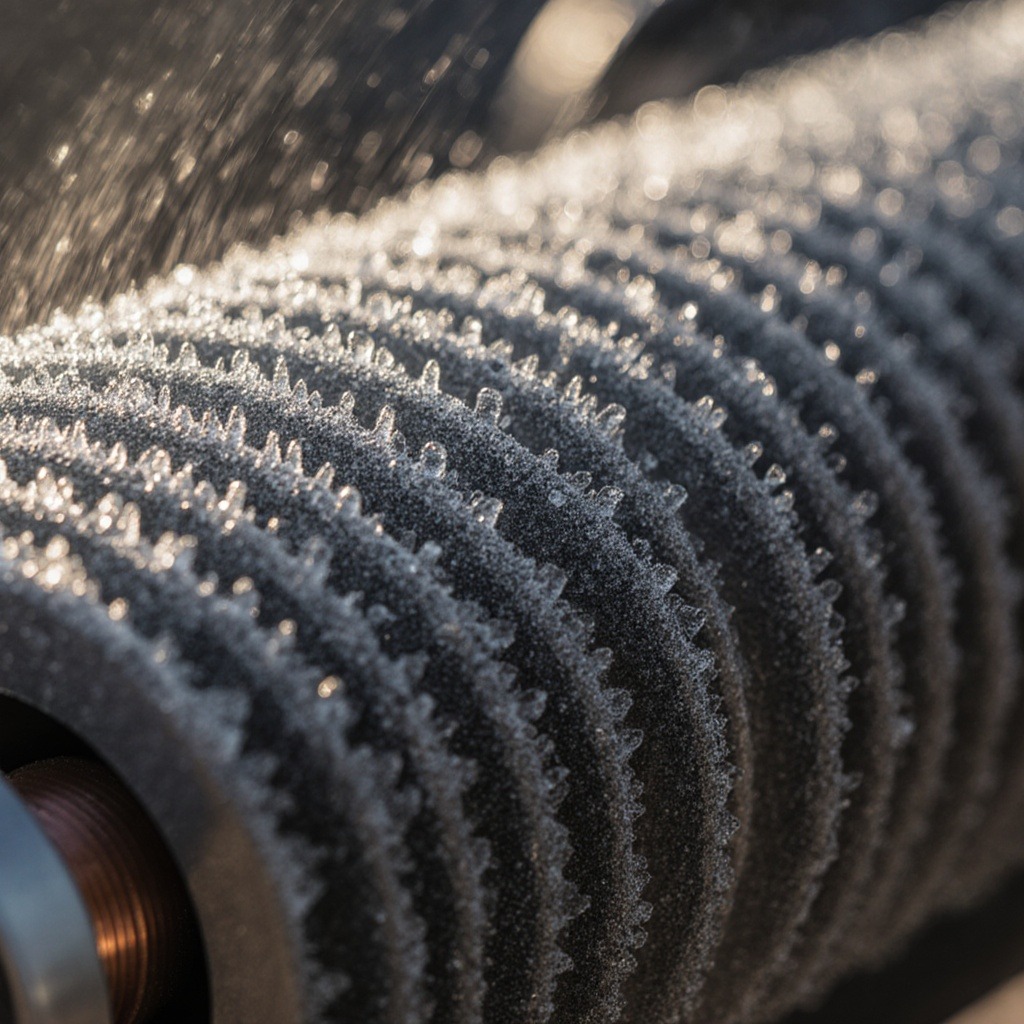
Reverse cycle split systems are the go-to for many – and for good reason. They’re efficient, can also cool in summer, and modern inverter compressors maintain steady temperatures without cycling on and off. But here’s the catch: in a frost-prone area, the outdoor unit can ice up if the defrost cycle isn’t robust enough. Look for units with hot gas bypass or enhanced defrost technology. AS/NZS 5149 covers refrigerant circuit safety, but your installer should also check the minimum operating temperature – typically around -10°C for decent units.
If your house has poor insulation – common in older Queenslander-style homes – a single reverse cycle system might struggle. You may need a multi-head or ducted system to distribute heat evenly.
Gas Heating
Flued gas heaters are a strong contender for inland areas. They produce instant warmth and don’t rely on the outdoor temperature. However, running costs depend on bottled gas (LPG) prices, which can be high in remote regions. Unflued gas heaters are not recommended for bedrooms or tight spaces due to moisture and CO2 buildup – always follow AS/NZS 5601. For large open-plan areas, a gas log fire or space heater can take the edge off a frosty morning.
Electric Panel Heaters and Oil Columns
These are cheap to buy but expensive to run over a whole winter. They’re best for spot heating – like boosting a single room after the family has gathered in the living area. They’re also silent and don’t need any ducting. But if you rely on them as your primary inland Queensland winter heating, expect your electricity bill to look like the national debt.
Installation Considerations for Cold Zones
Getting the gear is one thing; fitting it properly is another. For inland installations, pay attention to:
- Outdoor unit placement: Keep it sheltered from prevailing winds. A south-facing wall with no cover means the unit will work harder and ice up faster.
- Insulation: Before you upgrade your heater, upgrade your ceiling and wall insulation. It’s cheaper than paying for extra capacity. Minimum R4.0 ceiling batts for inland QLD.
- Ducted systems: If you go ducted, ensure the ducts are well insulated (R1.5 or higher) and sealed. Leaky ducts in a cold roof space can lose 30% of your heat.
- Thermostat location: Don’t put it on an external wall or near a draughty door. It’ll cycle the system incorrectly.
And don’t forget the ARC tick – you need a licensed refrigeation mechanic (ARCtech licensed) to install or service any fixed air conditioning system. No shortcuts.
Maintenance Tips for Winter
A well-maintained system is a reliable system. Before the cold sets in, here’s what to check:
- Clean or replace air filters – a clogged filter reduces airflow and efficiency.
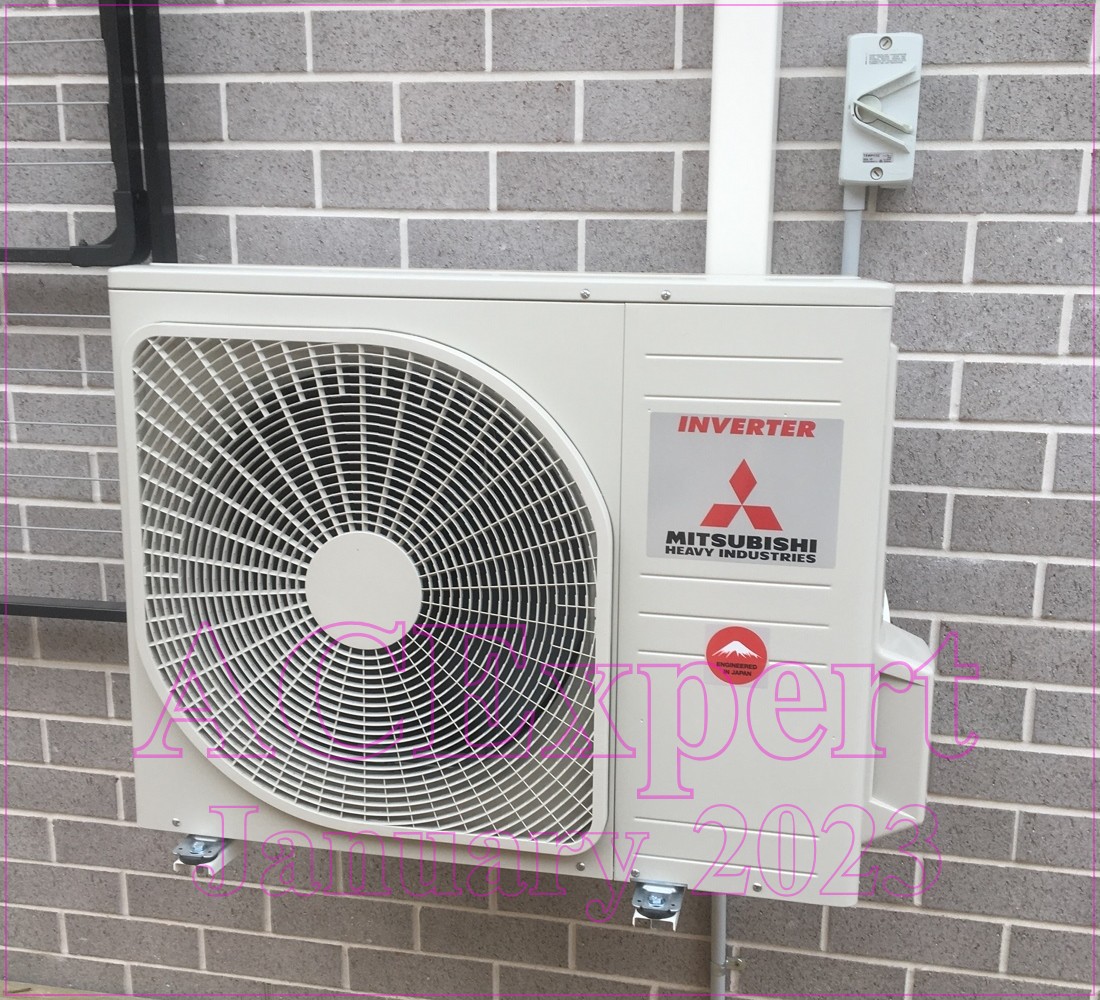
- Check the outdoor unit for debris, leaves, and spider webs. Blocked coils cause high head pressure and poor performance.
- Verify the defrost cycle works – run the unit in heat mode and see if the outdoor fan stops periodically to defrost. If it doesn’t, call a tech.
- Inspect gas heaters for carbon monoxide – a simple detector can save lives. AS/NZS 60335.2.102 covers gas appliance safety.
One thing I learnt the hard way: if you ignore your system all year and expect it to work perfectly on that first -2°C morning, you’ll be eating breakfast in your coat. I’ve seen it happen – turns the house into a meat locker within minutes. Just a heads up.
Next Steps for Warmer Winters
So, you’ve weighed up your options for inland Queensland winter heating. Maybe you’re leaning towards a reverse cycle upgrade or a gas heater for the living room. Either way, the key is to plan ahead – don’t wait for the first frost to hit. Get a local installer who understands the specific demands of your area.
If you’re in Brisbane and need a qualified technician, get a free quote through the site. Even though Brisbane isn’t inland, many of our tradies travel to the Darling Downs and beyond. They know what works when the nights get properly chilly – not just the ‘throw a jumper on’ cold of the city. And remeber, a warm home is a healthy home.
.JPG "Inland Queensland Winter Heating: Chilly Nights, Warm Solutions")