




Elderly and vulnerable Queenslanders face unique challenges during the cooler months. Finding the right heating for elderly Queensland residents is essential, as even mild winter temperatures can strain the body, particularly for those with respiratory conditions or poor circulation. Consistent warmth is a health necessity rather than a luxury. This guide offers practical advice on selecting safe systems, managing running costs, and performing critical safety checks to ensure a comfortable home environment.
Understanding the Risks and Benefits of Heating for Elderly Queensland Homes
Queensland homes are often designed for heat dispersal, making them prone to rapid cooling during winter nights. For vulnerable individuals, prolonged exposure to cold can worsen arthritis, trigger respiratory infections, and increase the risk of hypothermia. According to the Australian Institute of Health and Welfare, cold-related health complications often spike in winter. Maintaining a stable indoor temperature of 18–20°C is a vital preventative health measure. Therefore, selecting reliable heating for elderly Queensland households is about prioritising long-term wellbeing.

Safe Heating Options for Vulnerable Households
Safety and ease of use are paramount when choosing a system. Here are the most effective options for elderly occupants.
Reverse Cycle Split Systems
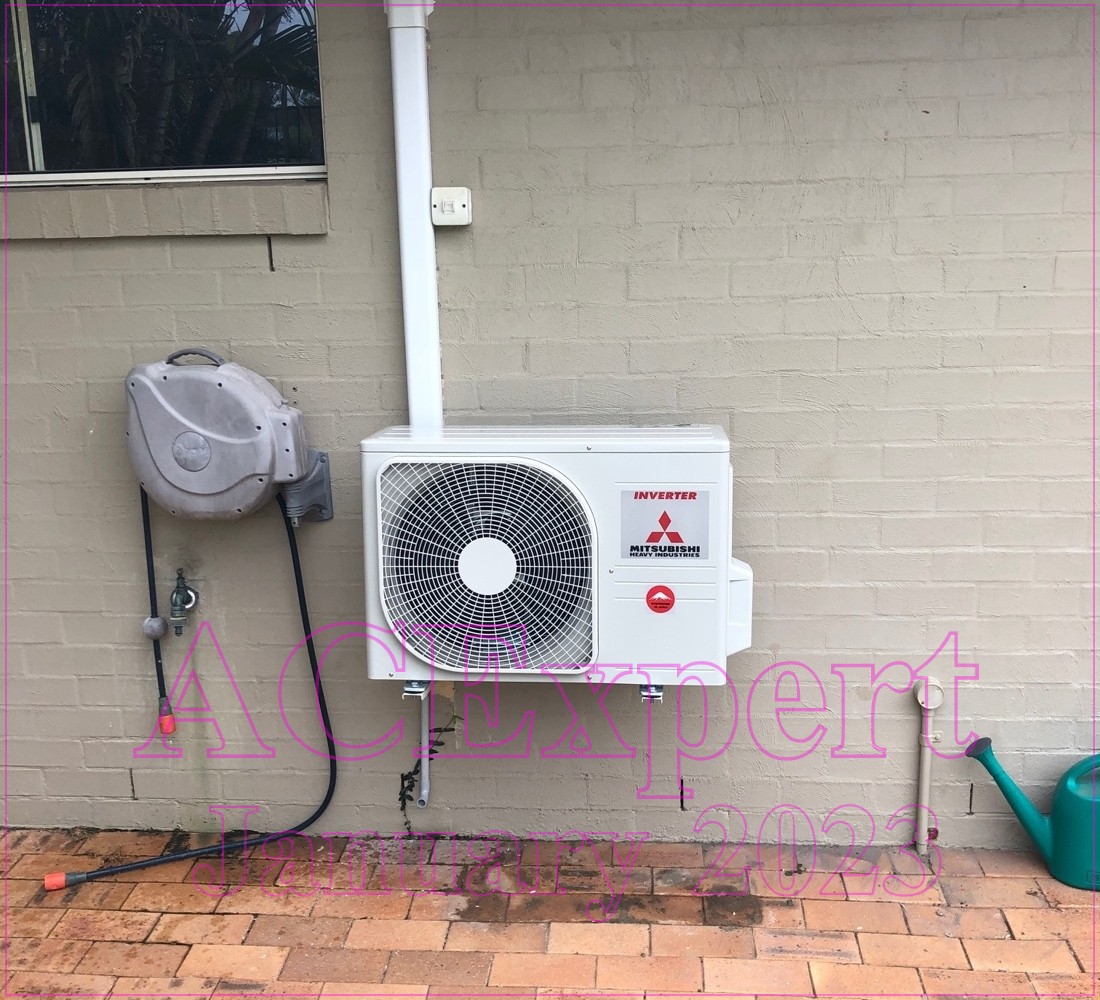
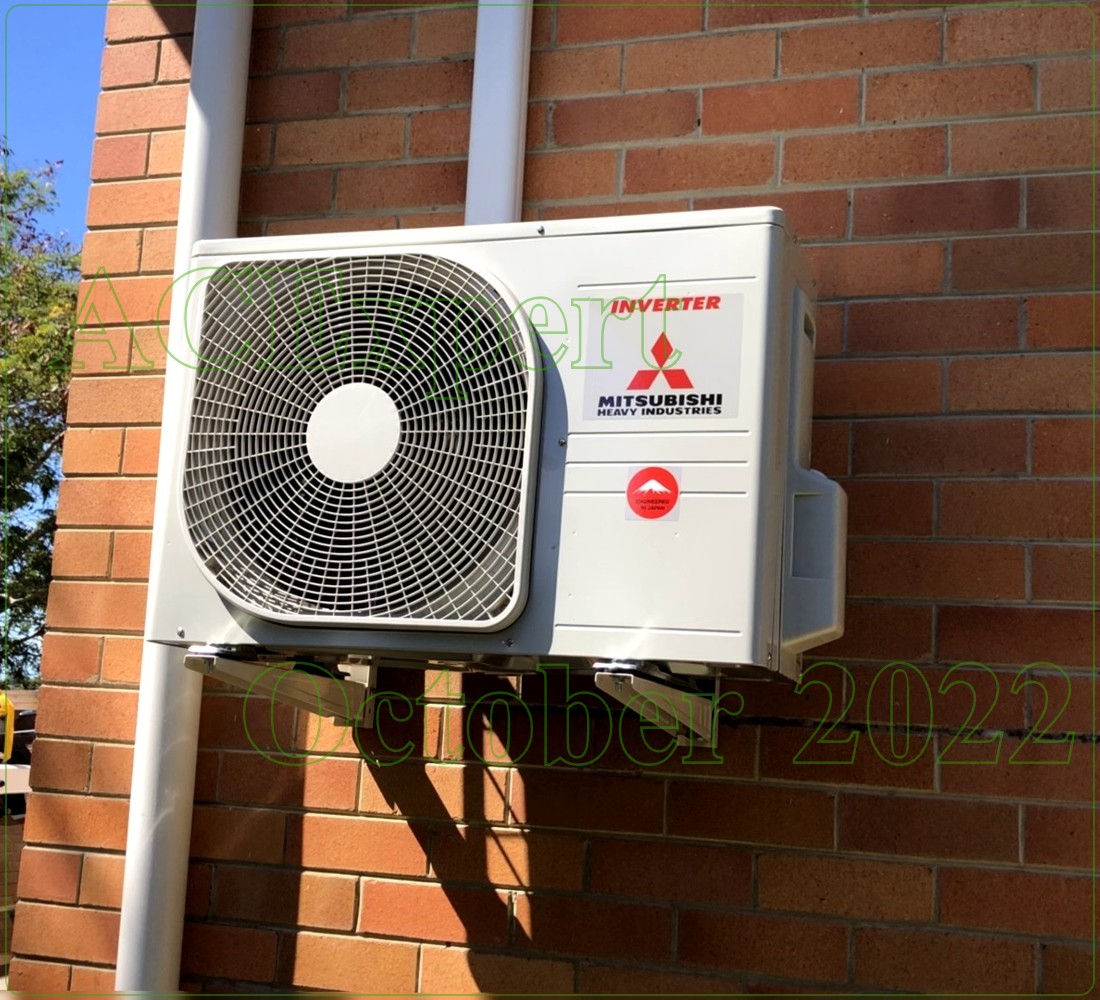
Reverse cycle air conditioners are the gold standard for Queensland. They move heat efficiently rather than generating it, using less electricity than conventional heaters. Modern inverter technology maintains a steady temperature, while programmable timers simplify operation. Wall-mounted units also eliminate floor clutter, reducing trip hazards. Always ensure your installer holds a valid ARC tick licence.
Ducted Reverse Cycle Heating
Ducted systems provide whole-home warmth, which is ideal for those moving between rooms. Zoning features allow you to heat only occupied areas, significantly reducing electricity costs. Centralised controllers can be mounted at accessible heights for those with limited mobility.
Portable Electric Heaters
While inexpensive, portable heaters carry fire risks. If you must use one, choose oil-filled column models; they lack exposed elements and stay cooler to the touch. Always select units with automatic shut-off and tip-over protection, and keep them well away from curtains or furniture.
Gas Heaters: Proceed with Caution
Unflued gas heaters can release carbon monoxide, posing a serious risk to those with asthma or lung conditions. If you currently use a gas heater, ensure it is a flued model and have it serviced annually by a professional. Installing a carbon monoxide alarm is a critical safety step.
Budget-Friendly Strategies for Heating for Elderly Queensland Residents
Staying warm shouldn’t be a financial burden. You can improve the efficiency of heating for elderly Queensland homes through simple home improvements.
- Draught-Proofing: Seal gaps around doors and windows using weatherstripping. This prevents warm air from escaping.
- Insulation: Ceiling insulation is a highly effective investment that can reduce heating bills by up to 30%.
- Passive Solar: Open curtains on north-facing windows during the day to let the sun warm your home naturally, then close them at night to trap the heat.
- Zoned Heating: Focus on heating only the rooms you are using to avoid unnecessary energy consumption.
Maintenance and Professional Care
Regular maintenance is the key to longevity and safety. Before the cold weather hits, have a professional clean your split system filters to ensure optimal airflow and efficiency. For ducted systems, inspect the ducts for leaks. If your heating system is making unusual noises or failing to maintain temperature, do not attempt a DIY repair. Faulty wiring or gas leaks require expert intervention.

By choosing the right system and staying on top of maintenance, you can create a safe, warm environment for your loved ones. If you are in Brisbane and require a professional safety check or system installation, please contact us for a free quote. Proper heating for elderly Queensland households is a simple way to ensure comfort and health throughout the winter months.
.jpg "Winter Heating for Elderly and Vulnerable Queenslanders: Safety & Budget Tips")