




Split system placement does more than determine which wall gets the bracket. It shapes how cool air moves through a room, how hard the system works, and how comfortable the space feels day to day. For Brisbane homeowners, good split system placement also intersects with feng shui, the practice of arranging interiors to encourage calm and balanced energy. When the indoor unit is positioned with both airflow and feng shui in mind, the result is a room that feels fresher, quieter, and easier to relax in.
Need word count maybe. Continue.
H2 Why Placement Shapes Comfort
The indoor unit of a split system pushes conditioned air in a specific direction. If that stream of air is aimed directly at a bed, desk, or favourite armchair, the room may feel cold in one spot and stuffy in another. A poorly placed unit can also run longer than necessary because the thermostat reads the temperature near the return air, not where people actually sit. Good split system placement aims for even coverage across occupied areas while keeping direct drafts away from places where people rest for long periods.
From a practical perspective, the best position is usually high on an external wall, away from curtains, shelves, or tall furniture that can block airflow. The unit needs enough clearance around the top and sides to draw air back in. Avoid corners where two walls create turbulence, and avoid positions where the cooled air is immediately lost down a hallway or stairwell.
H2 Feng Shui Basics for Airflow
Feng shui treats moving air as a form of energy, often called chi. Gentle, indirect airflow is considered supportive, while sharp or aggressive air currents are thought to create restlessness and disharmony. In a Brisbane summer, that principle aligns closely with personal comfort. No one wants a cold blast on the back of their neck while watching television or trying to sleep.
Sharp Air Currents
In feng shui, a stream of air aimed directly at a person is sometimes called a “poison arrow” or cutting energy. For split system placement, this means avoiding placements that fire cold air straight at a bed, a desk chair, or a dining table. The air should circulate around people, not cut across them.
Balance and Symmetry
Feng shui also values visual balance. A large indoor unit centred on the main wall of a bedroom can feel heavy or oppressive. Placing the unit slightly off-centre, or choosing a position that works with windows, doors, and furniture, can help the room feel more settled. This does not mean you need to sacrifice performance. Modern split systems are compact enough to install in balanced, practical locations.
Need include keyword in H2? “Split System Placement in Bedrooms” next. Good.
H2 Split System Placement in Bedrooms
Bedrooms deserve special attention because people spend long hours there. The ideal split system placement in a bedroom keeps the bed out of the direct air path. If the unit must be on the wall facing the bed, angle the louvres toward the ceiling or side wall so the air does not wash over the pillow. If possible, install the unit on a wall to the side of the bed, near the foot, or on the wall behind the bedhead with airflow directed away from the headboard.
In feng shui terms, the bed is a place of rest and repair. Cold air directly on the face or head is considered overstimulating, even if the temperature setting feels pleasant. A gentle drift of cool air across the lower part of the room is usually more comfortable and more supportive of sleep. When planning your installation, think about where your head rests, where your body faces the unit, and whether you can adjust airflow before choosing the final spot.

Bed Placement First
Position the bed first, then choose the air conditioner location. Many Brisbane bedrooms have limited wall space once wardrobes and windows are considered. A good installer can suggest a position that works with the bed rather than against it.
Need maybe use “split system placement” in that H2. yes. Next H2 “Living Areas and Shared Spaces” 5 words? Living Areas and Shared Spaces = 5. Good.
H2 Living Areas and Shared Spaces
In living rooms and open-plan areas, split system placement should cover the main seating zone without turning the couch into a wind tunnel. Aim the airflow parallel to the seating, or direct it toward an unoccupied wall so it circulates back through the room. If the unit is above a television or entertainment unit, check that condensation and airflow will not cause issues with electronics or timber furniture.
From a feng shui perspective, the living room is a social space. Strong air movement across the main conversation area can make people feel unsettled, even if they cannot explain why. Softer, indirect airflow helps the room feel inviting. In open-plan areas, avoid placing the unit so its stream cuts directly across the main walkway from the entrance to the seating area. This keeps the pathway calm and physically comfortable.
H2 Avoid These Placement Mistakes (4 words? Avoid These Placement Mistakes = 4)
- Above the bedhead: Even with louvres adjusted, some cold air can settle downward. This can disturb sleep and feel heavy in feng shui terms.
- Pointing at the front door: In feng shui, air pushing toward the entrance is thought to carry beneficial energy straight out. Practically, it also wastes cooling near the doorway.
- Behind tall furniture: A unit blocked by a bookshelf or wardrobe cannot sense room temperature properly and will cycle inefficiently.
- Directly above seating: A strong stream onto the back of the neck is physically uncomfortable and considered harsh energy.
None of these mistakes require a complete redesign. An experienced installer can often adjust bracket height, louvre direction, or unit position by a metre or two to improve both performance and feel.
Need maybe include keyword in H2 “Split System Placement Mistakes” instead? Use exact keyword in heading maybe better. “Split System Placement Mistakes” 4 words. Use that. Then keyword in heading count 2. Good. But heading max 6. Could change H2 to “Split System Placement Mistakes” exact. Let’s do that. It’s useful. Then body can use. Need maybe not over repeat.
H2 Small Rooms and Tight Corners (5)
Small bedrooms and home offices often have only one viable wall for a split system. In these rooms, split system placement becomes a matter of direction rather than location. Use the unit’s adjustable louvres to bounce air off the ceiling or a side wall. This creates a softer, more even cooling effect. Avoid corner installations where the unit faces a narrow gap between a wardrobe and a wall, as the cool air will just pool in that gap and leave the rest of the room warm.
Feng shui in small spaces is about reducing clutter and maintaining a clear path. A bulky head unit placed directly above a doorway can feel cramped. If the unit must go there, keep the area around the doorway clear and use vertical louvres to steer air along the ceiling. A small unit with appropriate capacity will feel lighter and quieter than an oversized unit cycling on and off.
H2 How Our Installers Help (4)
At Air Conditioning Expert Brisbane, we look at more than the nearest external wall. During a site visit, we consider room size, window orientation, ceiling height, furniture layout, and the direction of prevailing airflow. We also listen when a customer mentions that they want the bedroom unit away from the bed or the living room unit off the main seating area. These preferences often match feng shui principles without requiring any compromise on cooling.
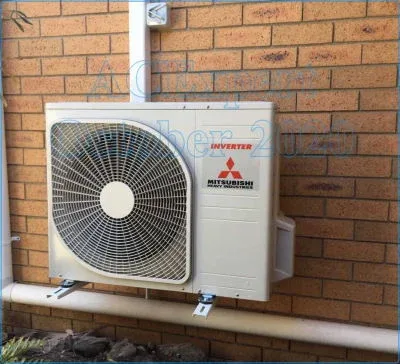
Once the location is chosen, we handle the full split system installation, including the outdoor unit position, pipework, drainage, and electrical connection. A clean installation with tidy pipe covers and careful cable routing also helps the room feel balanced. Sharp visual clutter around the unit can be just as distracting as sharp airflow.
Need maybe final paragraph summary. H2 “A Calmer, Cooler Brisbane Home” 5 maybe. Include keyword maybe? Could use “Split System Placement That Works” 5 as final H2? But keyword-bearing headings no more than 4, already two, fine. Need maybe more body copy word count. We’ll add final H2 “Placement That Supports Wellbeing” maybe 4 words. Then paragraph.
Need count words. Let’s estimate current draft maybe 900? Need ensure 900-1300. I’ll add more details.
Need include exact keyword in first para: yes “Split system placement does more…” count 1.
In H2 “Split System Placement in Bedrooms” count heading.
In H2 “Split System Placement Mistakes” count heading.
In body: “The ideal split system placement in a bedroom” count 2? Actually count exact. Need track.
Let’s list exact occurrences:
Intro: “Split system placement does more” 1; “good split system placement also intersects” 2. That’s two in intro. Need total across body paragraphs at least 4, max 12. Good.
Paragraph under Why? “Good split system placement aims” 3.
Bedroom H2 heading, not body paragraph? Requirement says use focus keyword in at least one h2/h3, but keyword usage across body paragraphs maybe headings count? They say keyword usage: use focus keyword … in FIRST paragraph, AT LEAST 4 AND AT MOST 12 times across the body paragraphs, and in AT LEAST ONE h2/h3 heading. So headings don’t count for body paragraph count? Usually body copy includes headings? Wording “across the body paragraphs” maybe excludes headings. Need count body paragraphs only. We have 3 in body paragraphs so far: intro 2, “Good split system placement aims” 1 = 3. Need at least 4 exact in
content. We need more. In bedroom section paragraph we have “The ideal split system placement in a bedroom” that’s 4 if counting. Yes body paragraph. Good. Need maybe use more. Ensure not too many. We can include in small rooms paragraph “split system placement becomes a matter of direction” 5. Mistakes intro maybe “Many common split system placement problems” maybe. Need total maybe 7-8. Good.
Need ensure keyword not forced. Use close variants too. Fine.
Need maybe phrase “split system placement” exact in paragraph. Good.
Need maybe include H2 “Split System Placement Mistakes” exact, and H2 “Split System Placement in Bedrooms”. That’s 2 headings. Could maybe include H3 “Split System Placement Principles” but no need. Need ensure heading max 6 words. “Split System Placement in Bedrooms” is 5 words? Split(1) System(2) Placement(3) in(4) Bedrooms(5). yes. “Split System Placement Mistakes” 4 words. Good.
Need maybe final section “Placement That Supports Wellbeing” 4 words, no keyword. Good.
Need maybe add H3 under mistakes? No.
Let’s write full article with enough word count. Need count approximate. I’ll expand sections.
Draft full body:
TITLE: Split System Placement and Feng Shui
KEYWORD: split system placement
BODY:
Split system placement does more than determine which wall gets the bracket. It shapes how cool air moves through a room, how hard the system works, and how comfortable the space feels day to day. For Brisbane homeowners, good split system placement also intersects with feng shui, the practice of arranging interiors to encourage calm and balanced energy. When the indoor unit is positioned with both airflow and feng shui in mind, the result is a room that feels fresher, quieter, and easier to relax in.
Why Placement Shapes Comfort
The indoor unit of a split system pushes conditioned air in a specific direction. If that stream of air is aimed directly at a bed, desk, or favourite armchair, the room may feel cold in one spot and stuffy in another. A poorly placed unit can also run longer than necessary because the thermostat reads the temperature near the return air, not where people actually sit. Good split system placement aims for even coverage across occupied areas while keeping direct drafts away from places where people rest for long periods.
From a practical perspective, the best position is usually high on an external wall, away from curtains, shelves, or tall furniture that can block airflow. The unit needs enough clearance around the top and sides to draw air back in. Avoid corners where two walls create turbulence, and avoid positions where the cooled air is immediately lost down a hallway or stairwell.

Feng Shui Basics for Airflow
Feng shui treats moving air as a form of energy, often called chi. Gentle, indirect airflow is considered supportive, while sharp or aggressive air currents are thought to create restlessness and disharmony. In a Brisbane summer, that principle aligns closely with personal comfort. No one wants a cold blast on the back of their neck while watching television or trying to sleep.
Sharp Air Currents
In feng shui, a stream of air aimed directly at a person is sometimes described as cutting energy or a poison arrow. For split system placement, this means avoiding positions that fire cold air straight at a bed, a desk chair, or a dining table. The air should circulate around people, not cut across them.

Balance and Symmetry
Feng shui also values visual balance. A large indoor unit centred on the main wall of a bedroom can feel heavy or oppressive. Placing the unit slightly off-centre, or choosing a position that works with windows, doors, and furniture, can

.jpg "Split System Placement and Feng Shui")