




In response to: the original article at hvacrnews.com.au
…
Need careful with “RAC scheme” casing. Use as exact phrase maybe lower case “RAC scheme”. In heading “Why the RAC Scheme Matters” uses capital S? Keyword close variant okay. Might count as case-insensitive. We’ll use exact phrase “RAC scheme” in some body. Heading with “RAC Scheme Matters” includes “RAC Scheme” not lower case; acceptable. But if keyword is “RAC scheme” maybe heading has “RAC Scheme” close. Better heading “Why the RAC scheme matters” with lowercase s? In title case maybe “Why The RAC Scheme Matters”? Since h2 max 6, we can use “Why the RAC Scheme Matters” – fine. Keyword in heading count maybe “RAC scheme” case insensitive.
Need “The Permit Shuffle” maybe not use as focus.
Let’s write body. Aim around 1100 words.
Draft:
Brisbane homeowners could be forgiven for thinking the federal government has finally found a way to make split system air conditioning installation even more interesting. The latest industry scuttlebutt is that the RAC scheme — the refrigeration and air conditioning permit arrangement that keeps refrigerant handling legal — has shifted under the National EPA umbrella. The Australian Refrigeration Council will apparently keep doing the admin. So before you panic and start hoarding old window units, let’s look at what the permit shuffle actually means for the person who just wants a cold lounge room in February.
Word count maybe ~90.
What Actually Changed?
On paper, the governance of the RAC scheme has moved. In practice, the change is less dramatic than a new logo on a compliance form. The Australian Refrigeration Council remains the body handling applications, renewals, and day-to-day administration. That means the person likely to answer the phone when your installer checks a permit is, in many cases, the same person who answered it last month.
The National EPA taking over the RAC scheme is a bit like a restaurant changing owners but keeping the same chef, menu, and sticky menus. The letterhead changes, the rulebook does not. For a homeowner, the important thing is not which government department sits at the top of the org chart; it’s whether the person standing in your hallway with a vacuum pump and a manifold gauge is fully licensed to handle refrigerant.
Maybe use keyword second/third.
Why the RAC Scheme Matters
The RAC scheme exists for a genuinely good reason: refrigerant gases can damage the ozone layer and contribute to climate change if they escape. A licensed technician knows how to recover, handle, and dispose of refrigerant properly. When you book a split system installation in Brisbane, part of what you’re paying for is the legal right to have that refrigerant connected safely.
Homeowners often assume the permit is just another bit of trade paperwork. It isn’t. Handling refrigerant without the appropriate authorisation is illegal. If a handyman offers to install your split system for a cash price that seems too good to be true, the RAC scheme is usually the reason it is too good to be true. The unit may work, but the work may not be lawful.
Same Old Permits?
For most residential customers, the National EPA’s new role in the RAC scheme will be invisible. You won’t need a new permit, a new inspection, or a new form. Your installer might mention a change in the office, but it won’t change the price of copper pipe or the size of the hole in your wall.
That said, any time a regulator shuffles deck chairs, it’s worth watching for subtle consequences. Governance changes have a habit of producing new fees, new reporting requirements, or new compliance audits. None of those have been announced here, but a raised eyebrow is healthy. When bureaucrats reorganise, the cost of compliance rarely goes down.
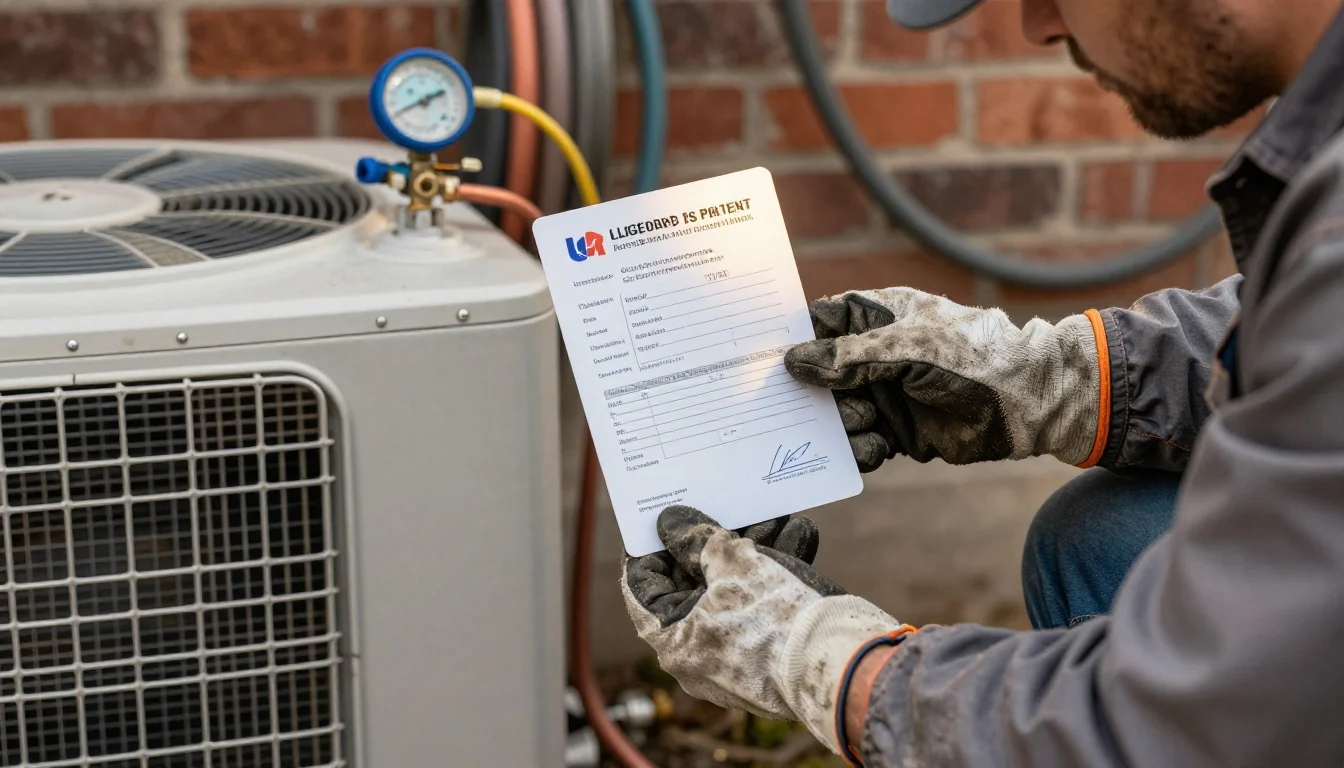
Watch for Bureaucratic Overreach
There is always a risk that a takeover like this becomes an excuse to add layers. The National EPA may eventually want its own data system, its own audit trail, or its own digital portal. That can be fine in theory, but history suggests it often leads to duplicated paperwork. A tradie who already holds a valid RAC scheme permit should not have to jump through a second hoop just because the sign on the building changed.
For Brisbane homeowners, the practical risk is that any extra compliance cost eventually finds its way into the installation quote. If the new governance arrangement creates more work for the Australian Refrigeration Council, that work has to be paid for somehow. Let’s hope the National EPA’s takeover of the RAC scheme is an administrative tidy-up rather than a new revenue stream.
What Brisbane Homeowners Should Do
None of this changes the basics. If you’re booking a split system air conditioner installation, ask the right questions before anyone climbs a ladder.
Three questions to ask
- Do you hold a current refrigerant handling licence under the RAC scheme?
- Are you insured for the work?
- Will you supply a compliance certificate for the installation?
These questions are not rude. They’re the difference between a legitimate installation and a cheap job that could leave you with a leaking system and no recourse. The National EPA taking over the RAC scheme doesn’t let anyone off the hook; if anything, it reinforces that refrigerant handling is a regulated activity.
Maybe mention ARCtick. Need not invent but common. ARCtick is real. We can say check ARC website? It’s public. But maybe no need.
The Real Benefit, If Any
A single national regulator could, in theory, create consistency across states. If you move from Brisbane to Sydney, your installer’s RAC scheme obligations should look the same. That’s a quiet benefit. The less confusion about who runs what, the less chance a cowboy operator slips through the cracks.
But for a residential customer choosing between three quotes, the governance structure of the RAC scheme is about as relevant as the font on the invoice. You care whether the installer is competent, licensed, and punctual. As long as the permit system keeps bad operators out and legit tradies working, the name at the top of the regulator matters very little.

Our Take
The permit shuffle is more interesting to industry insiders than to anyone sitting in a Brisbane living room waiting for a split system to cool the house. The RAC scheme remains, the Australian Refrigeration Council remains, and the need for a licensed installer remains. The National EPA taking over the RAC scheme is mostly a change of address on the org chart.
We’ll keep an eye out for fee changes and added paperwork, because that’s where homeowners actually feel regulatory shifts. For now, the best response is a shrug and a question: “Can I see your licence?” If the answer is yes under the RAC scheme, enjoy the cool air. If the answer is a mumble about cash and “she’ll be right,” show them the door.
Need count. This seems maybe 650-750 words. Need 900-1300. Expand more. Add more sections and detail. Need maybe 7-8 h2s and paragraphs. Let’s expand each, include more practical context, examples. Need not duplicate existing articles. We can add section “What About DIY?” maybe useful. Existing article “DIY vs Professional Heater Maintenance” but not exactly. But okay. Need angle different. Add “Does This Affect Your Quote?” etc. Ensure no duplicate. Let’s build more robust.
Need ensure keyword “RAC scheme” used 4-12 times. Count in draft: intro 1, h2 “Why the RAC scheme Matters” 2, paragraph “RAC scheme exists” 3, “RAC scheme is usually the reason” 4, “National EPA’s new role in the RAC scheme” 5, “valid RAC scheme permit” 6, “takeover of the RAC scheme” 7, “licence under the RAC scheme” 8, “National EPA taking over the RAC scheme” 9, “governance structure of the RAC scheme” 10, “The RAC scheme remains” 11, “under the RAC scheme” 12. That’s 12 maybe max. Need avoid >12. We’ll keep around 10. But expand more, need not overuse. We can use “the scheme” etc.
Let’s write final with maybe 1100 words.
Need ensure no quotes from source verbatim. We can rephrase. No invented statistics/quotes. Fine.
Let’s produce final with proper HTML semantic tags. Need no code fences. Start exactly TITLE: etc. Use
,
- ,
,. No h1. Ensure headings max 6 words. Check each:
What Actually Changed? 3
Why the RAC Scheme Matters 5
What About DIY Installations? 4
Same Old Permits? 3
Watch for Bureaucratic Overreach 4
What Brisbane Homeowners Should Do 5
Three questions to ask 4 (h3 fine)
The Real Benefit, If Any 5
Our Take 2
Need maybe 9 headings. Good.
Need body word count. Let’s write final. But need ensure first paragraph has keyword. Yes.
Let’s be more specific about Brisbane split systems, humidity, cooling. Maybe mention summer heat, but seasonal? Not necessary but okay. Could mention no permit needed for homeowner? Actually in Queensland, homeowners cannot legally install split system due to electrical and refrigerant licensing. We can state as general, but not legal advice. Need avoid inventing? This is common knowledge. Fine.
Need maybe mention “National EPA” maybe not official acronym? We’ll call “the National EPA” as source. Not quote. Fine.
Need maybe include
- with bullets. Good.
Let’s write:
TITLE: The Permit Shuffle: National EPA Takes Over the RAC Scheme
KEYWORD: RAC scheme
BODY:
If you’ve been eyeing a new split system for your Brisbane lounge room, the latest industry rumble might sound like one more bureaucratic headache. Reports suggest the RAC scheme — the refrigeration and air conditioning permit arrangement that keeps refrigerant handling legal — has shifted under the National EPA’s umbrella. The Australian Refrigeration Council will apparently continue doing the day-to-day administration. Before you worry that your next installation now needs a federal hall pass, let’s unpack what the permit shuffle actually means.
What Actually Changed?
On paper, the governance of the RAC scheme has moved. In practice, the shift is less dramatic than a new logo on a compliance form. The Australian Refrigeration Council still handles applications, renewals, and most of the administrative grind. That means the person likely to answer the phone when your installer checks a permit is, in many cases, the same person who answered it last month.
The National EPA taking over the RAC scheme is a bit like a restaurant changing owners but keeping the same chef, menu, and laminated specials board. The letterhead changes, the day-to-day reality does not. For a homeowner, the important thing is not which government department sits at the top of the org chart; it’s whether the person standing in your hallway with a vacuum pump and a manifold gauge is fully licensed to handle refrigerant.

Why the RAC Scheme Matters
The RAC scheme exists for a genuinely good reason: refrigerant gases can damage the ozone layer and contribute to climate change if they escape. A licensed technician knows how to recover, handle, and dispose of refrigerant properly. When you book a split system air conditioning installation in Brisbane, part of what you’re paying for


.jpg "The Permit Shuffle: National EPA Takes Over the RAC Scheme")