




In response to: the original article at yahoo.com
Well, here we go again. Another round of sweeping environmental legislation is making its way out of the parliamentary trenches, this time it’s the NSW plastic ban. Environment Minister Penny Sharpe has wisely framed this as the “biggest reforms to problematic plastics in a generation.” Sounds suitably dramatic, doesn’t it? We’re told this monumental shift will force giants like Coles, Woolworths, and even the digital delivery overlords to embrace sustainability. But before we all start polishing our reusable tote bags and declaring ourselves eco-warriors overnight, let’s put on our healthy dose of Brisbane skepticism and examine what this actual NSW plastic ban means for the average consumer—and for everyone else who has to adapt to changing supermarket packaging.
The Grand Purge: What Exactly Is Being Banished?
The sheer volume of things being addressed in this new regulatory package suggests a dedication to reducing landfill guilt, which, let’s be honest, is a worthy goal. However, when these “big reforms” land on the ground level, they often feel less like precise engineering solutions and more like a broad swathe of well-intentioned restrictions. The timeline is set out for five years, which grants these behemoths of commerce plenty of time to scramble and invent replacements that are marginally less bad, if only for a few fiscal quarters.
From Bags to Bread Tags: The Gradual Rollout
We’re looking at a phasing strategy. Single-use bags with handles are on the chopping block starting in 2027. Nice. And by 2030, we lose the flimsy plastic stickers on produce and the ubiquitous bread tags. It’s the slow death of micro-plastic clutter, one little sticker at a time. It’s manageable, in theory. The real question—and this is where the informed observer sneers a bit—is how “sustainable” these replacements actually are. Are we trading a tiny bit of polyethylene for a compostable wrapper that still breaks down into microplastics in a poorly managed backyard compost bin?
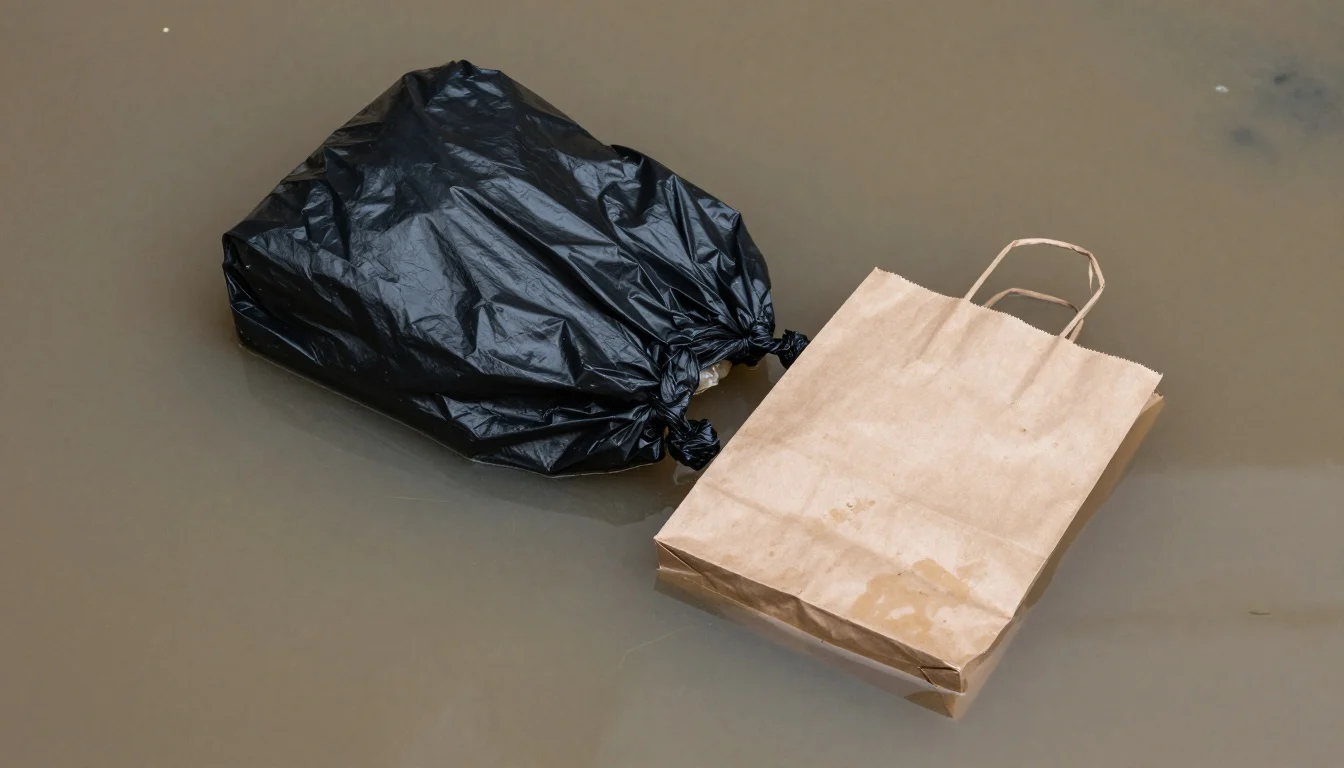
It becomes a semantic game. A piece of rigid, persistent plastic is gone; it’s replaced by a plant-based polymer that requires specific industrial composting facilities, which frankly, very few of us have access to in Brisbane suburbs. It’s a classic case of regulatory substitution, and we need to remain vigilant to ensure we aren’t just swapping one packaging problem for a different, more logistically complicated one.
The Tethered Tragedy: Soft Drink Caps and Consumer Convenience
But perhaps the most eyebrow-raising element of this entire proclamation is the mandate requiring all plastic soft drink bottles to have caps tethered to them. Oh, the glorious vision of preventing litter! This mimics European models, which sounds sensible until you consider the friction points of daily life. For those of us who are in a hurry, juggling groceries, or just trying to move around town without feeling like a clumsy circus performer, this tethering detail transitions from ‘environmentally responsible’ to ‘mildly irritating bureaucratic hurdle.’
Practicality vs. Policy: Where the Rubber Meets the Road

Proponents will argue that the visual nuisance of litter—a bottle rolling away after a casual gulp—outweighs the mild inconvenience of managing a tether. I argue that forcing this level of structural change on mass-market beverage production across NSW is a significant logistical burden. Retailers and manufacturers have to redesign bottling lines, manage different production moulds, and convince the entire supply chain to adopt this specific feature. This doesn’t happen cheaply, nor does it happen instantly. The inevitable cost creep will, predictably, land back on the customer, perhaps disguised as a ‘sustainability surcharge’ on your preferred fizzy drink. It’s the perfect circle of modern economics, isn’t it?
This specific aspect of the NSW plastic ban demands a very close look at the operational impact, rather than just the aspirational outcome.
What This Means for the Aussie Consumer (Not Just the Politicians)
When any significant legislative shift touches the supply chain, the final cost of goods is rarely neutral. We are constantly told that these moves are ‘for the planet,’ which is a noble premise. But if the result is that your weekly shop costs more because the supermarket has to invest heavily in bespoke, alternative packaging that isn’t perfectly scalable, then the benefit is being externalised onto the homeowner. This is a risk we, the consumers, must be educated to spot.

Navigating the Hype Cycle
Every major environmental policy announcement is preceded by a wave of public enthusiasm, followed by a period of logistical confusion, and finally, a return to the status quo once the public forgets the initial fanfare. The rhetoric around this NSW plastic ban—”biggest reforms,” “groundbreaking,” etc.—is designed to create a sense of urgency and collective responsibility. While the problem of single-use plastic pollution is undeniably vast and requires action, we must distinguish between meaningful, achievable change and legislative theatre.
The good news, if we are being generous, is that these laws *force* some innovation. It forces suppliers to look beyond the cheapest, most disposable option. It pressures the industry toward materials that might be recyclable or truly degradable. If this legislation succeeds in kick-starting a viable local industry for truly sustainable packaging, that’s a win. But if it just forces a shift from one type of plastic to another that sits in a landfill indefinitely, it’s merely a high-effort rebranding exercise.
The Bigger Picture: A Broader View on Consumer Choice

This focus on packaging is a symptom, not the disease. The real, durable solutions to environmental waste in a modern, sprawling society often require a much larger overhaul: fundamentally changing our consumption patterns. While we should applaud the effort behind the NSW plastic ban for tackling visible litter and waste, a homeowner in Brisbane dealing with air conditioning efficiency, insulation gaps, or the prohibitive cost of energy is dealing with a far more immediate, tangible climate challenge than the small plastic sticker on their avocado.
The Irrelevance to Your HVAC Bill (For Now)
I’ve spent years in this trade, dealing with systems that manage the thermal comfort of Brisbane homes. We worry about sizing, insulation, optimal placement, and the sheer brute force required to keep a Queensland living room at a consistent 23 degrees, regardless of whether the bread tags in the supermarket are bioplastic or polyethylene. The efficiency of a split system unit is a measurable metric impacting your bottom line monthly. The packaging reform, while important on a planetary scale, feels distant from the quarterly energy bill headache that most of our clients are actually worried about when they call us up to talk about their system’s running costs.
The irony here is palpable: we’re fighting over the fate of a small plastic wrapper while homeowners need expert advice on managing a powerful, complex climate control system that actually *works* within the brutal local climate.

What Next? Demanding Accountability
If the goal is genuine, sweeping change—not just photo opportunities for Minister Sharpe—then the focus needs to move beyond single-use disposables and start tackling material sourcing and product lifecycles. When retailers adopt these new standards under the pressure of the NSW plastic ban, we need mechanisms in place to ensure they aren’t just compliant, but truly sustainable. We need transparency on the end-of-life solutions for these replacements.
For us industry observers, the ongoing takeaway is vigilance. Legislation is a starting gun, not the finish line. It introduces constraints, forcing businesses to adapt, which is progress. But adaptation fuelled purely by mandate, without deep structural shifts in how we manufacture and consume, often just results in shiny, slightly different packaging taking up a slightly less noticeable spot in the waste stream. We’ll watch the adoption of the NSW plastic ban with cautious interest, waiting to see if this becomes a genuine turning point, or just another mandatory box ticked by busy corporations.
We, the readers, need to remain smart shoppers. Celebrate the ambition, acknowledge the inconvenience, but never mistake well-marketed regulation for flawless ecological salvation.
