




You flip on your reverse cycle heater for the first time this winter and instead of warm, cosy air, you get a waft of something that belongs in a mechanic’s workshop. That burnt-dust or vinegar-like tang is enough to make anyone think twice about hitting the ‘on’ button. But not every smell means your system is doomed. Knowing the difference between harmless dust and a dangerous electrical fault can save you money – and keep you safe. This heater smells winter troubleshooting guide covers the most common odours, what causes them, and when to call a tradie.
in winter troubleshooting guide for
1. Why Does My Heater Smell Strange? The Three Main Culprits
Most winter heater smells fall into three categories: dust, moisture, and electrical issues. Each has a different cause and a different level of urgency. Here’s a quick overview before we dive in.
- Burning dust smell – usually normal after a long off-season.
- Musty, damp, or mouldy smell – points to moisture buildup in the system.
- Fishy, metallic, or chemical odour – likely an electrical fault – shut it down immediately.
Dust smells usually have less serious causes than electrical ones, but no smell should be ignored entirely. Let’s break them down.
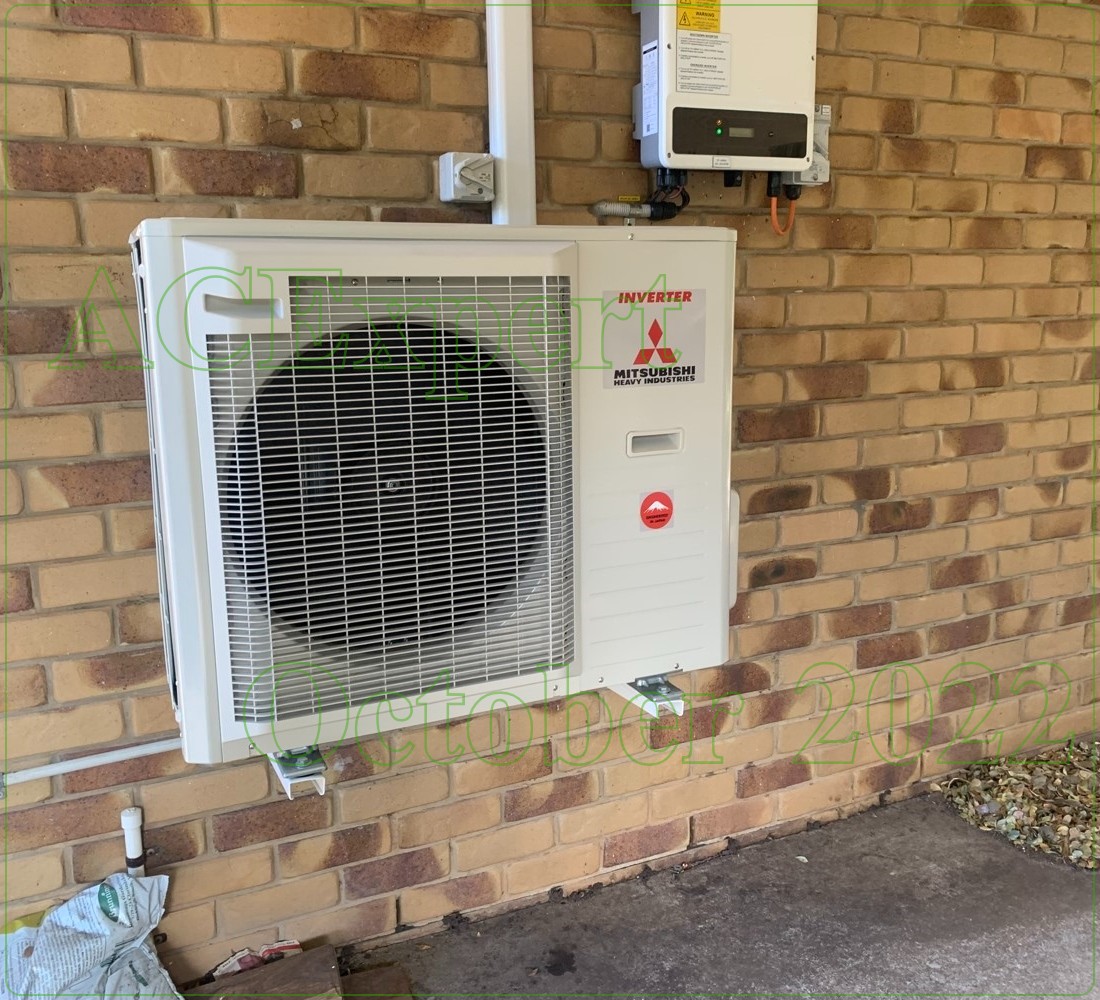
2. The Burning Dust Smell: Normal or Not?
That classic ‘toaster on fire’ aroma when you first turn on the heater after summer is almost always just dust burning off the heating elements or heat exchanger. It’s like your heater’s been bingeing on Netflix all summer and now it’s finally getting off the couch. The dust that settled on the coils during the warmer months gets baked off in the first few minutes of operation.
Is it safe?
Yes – as long as the smell fades within 10–15 minutes. If it persists or gets stronger, there may be excessive dust buildup or a problem with the airflow. Try running the fan only (no heat) for a few minutes before turning on the heater. This can help dislodge loose dust. Also check your air filters. Dirty filters restrict airflow and can cause components to overheat, leading to a long-lasting burnt smell.
Pro tip from the tradies: Give your system a seasonal clean before winter. Vacuum the indoor unit grilles and wash or replace the filter. Regular maintanence keeps dust levels down and stops that smell from hanging around all season.
3. Musty or Mouldy Odour: A Moisture Problem
A damp, earthy smell coming from your vents often means mould or mildew has taken hold somewhere in the ductwork or the indoor unit. This is common in humid Queensland winters, especially after a wet autumn. Moisture can accumulate in the drip tray, around the drain line, or inside the ducts if the system was used for cooling over summer and not dried out properly.
Reverse cycle systems naturally produce condensate when heating, but a blocked drain or poor drainage can lead to standing water – a perfect breeding ground for mould. The smell tends to get worse when the fan runs, as it circulates spores and bacteria through the house.
What to do about it
- Check the condensate drain line for blockages. Pour a cup of water mixed with a mild bleach solution (1:10 ratio) down the drain to kill algae and mould.
- Inspect the indoor unit’s drip tray for standing water or slime. Clean with a soft brush and mould-killing cleaner.
- If your ducts are flexible (foil-lined), they can trap moisture and grow mould – you might need a professional duct cleaning.
- Consider running the fan on ‘dry’ mode for an hour after the heater has been on to help remove residual moisture.
Mould odours aren’t just unpleasant – they can aggravate asthma and allergies. If the smell persists after cleaning the filters and drains, call a qualified technician to inspect the unit.
in winter troubleshooting guide for — what matters
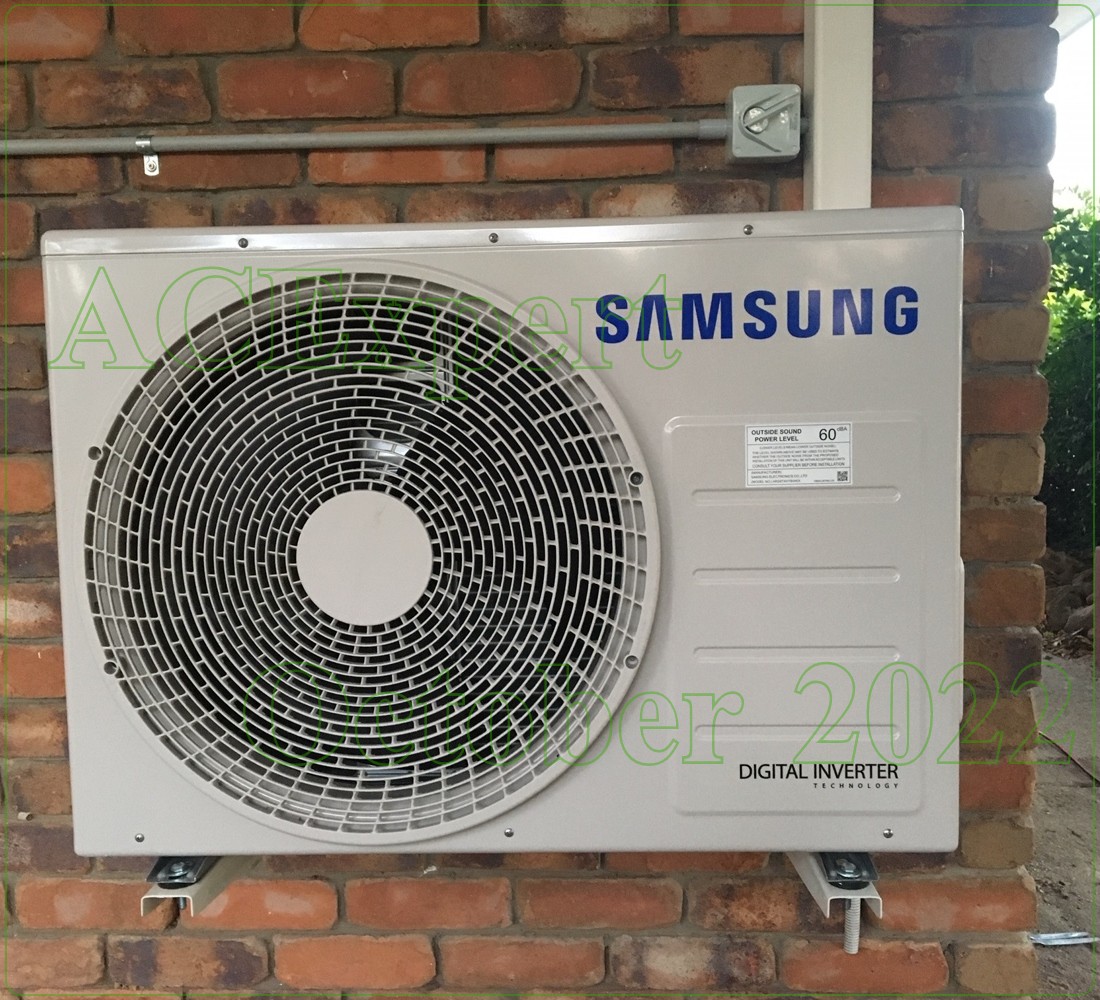
4. Electrical or Fishy Smell: Shut It Down Now
If the smell coming from your heater is sharp, fishy, or like hot plastic, treat it as an emergency. This is the classic sign of an electrical problem – often a failing capacitor, burnt wiring, or a compressor that’s overheating. Unlike dust or mould smells, this one won’t fade. In fact, it will get worse the longer the unit runs.
Immediate action: Turn off the unit at the isolation switch and the circuit breaker. Do not use the heater again until a licensed technician has inspected it. Ignoring an electrical smell can lead to a fire, and no amount of fresh air is worth that risk.
Common electrical causes
- Burned-out fan motor – often smells like hot metal or varnish.
- Failing capacitor – a fishy or sour odour, sometimes accompanied by a swollen or leaking component.
- Loose or charred wiring – a burnt plastic smell.
- Compressor overheating – a sharp, acidic odour.
These issues require a proper diagnostic with a multimeter and an ARC tick holder. DIY repairs on electrical components are dangerous and illegal under Australian regulations. If you’re in Brisbane and need a qualified technician, get a free quote through the site.
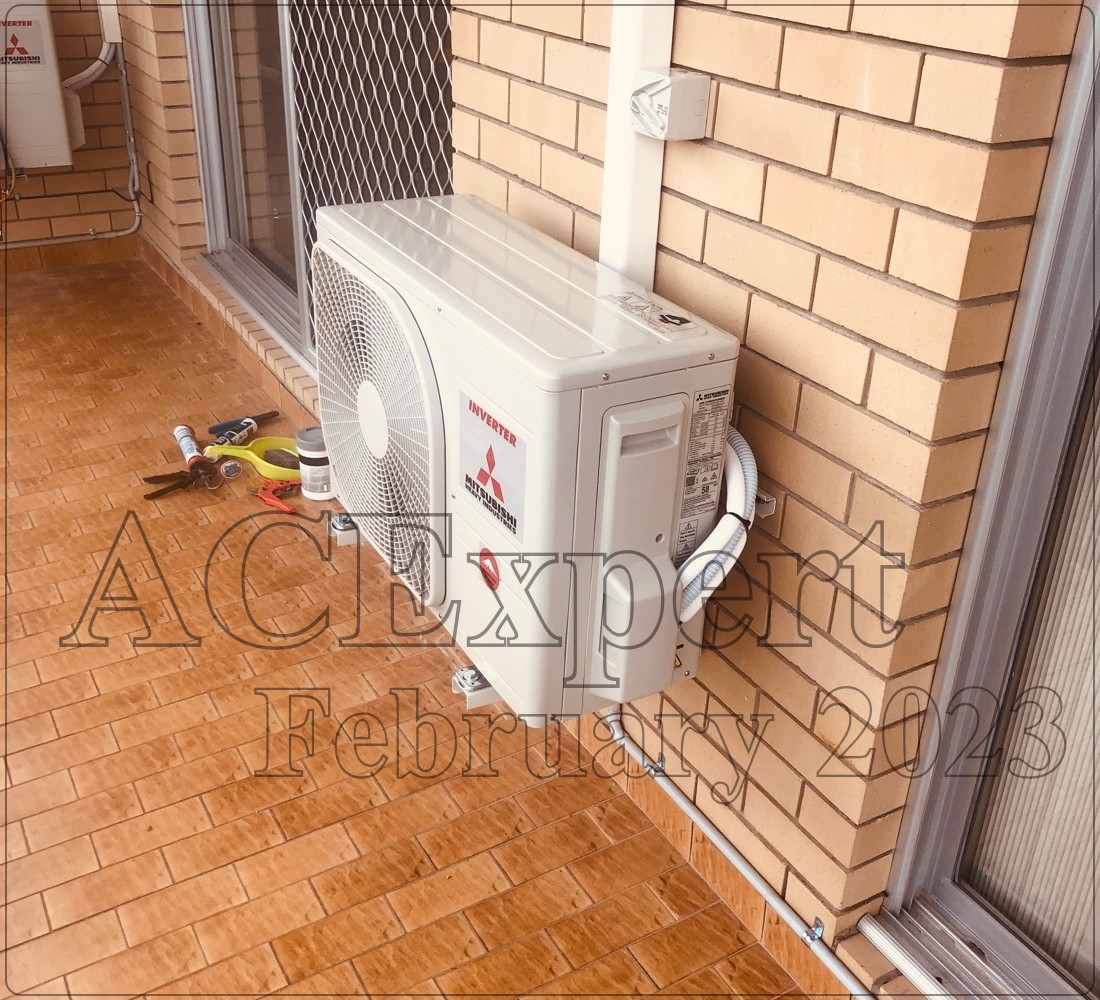
5. Other Odours: Gas, Oil, and the Unusual
Not everyone runs a reverse cycle heater. If you have a ducted gas heater, a rotten egg smell means a gas leak – call your gas supplier or a licensed gas fitter immediately. Evacuate the house if you suspect a leak.
For portable oil-filled heaters, a brief ‘new heater’ smell when first used is normal, but any persistent chemical odour could mean an oil leak. Unplug and replace the unit.
And if you smell something sweet or like nail polish remover, that could be a refrigerant leak in your reverse cycle system. Refrigerant (R32 or R410A) can be harmful if inhaled in enclosed spaces. Shut down the unit and call a refrigeration mechanic with an ARC licence. Never try to top up refrigerant yourself.
6. How to Prevent Heater Smells Before They Start
A little preventative work in autumn can spare you the unpleasant surprises when winter hits. This is especially true in southeast Queensland, where the humidity can make mould a year-round problem.
- Change or clean filters every 2–3 months – more often if you have pets or live on a dusty road.
- Run the fan for 10–15 minutes before using the heater for the first time each season. This clears out dust and lets you smell any issues before the heat comes on.
- Keep the area around the indoor unit clear. Furniture or curtains blocking airflow can cause overheating and unusual smells.
- Schedule a professional inspection every two years for split systems, annually for ducted systems. A tradie will check wiring, capacitors, drain lines, and heat exchangers.
The key to heater smells winter troubleshooting is knowing when to wait it out and when to hit the panic button. Most dust and mould issues are manageable with a bit of elbow grease. Electrical smells are not. When in doubt, turn it off and call someone who knows their way around a circuit board.
If you’re in Brisbane and need a qualified technician, get a free quote through the site.
.JPG "Heater Smells Wrong in Winter? Troubleshooting Guide for Australian Homes")