




When the temperature drops in Queensland, your pets feel it too – especially the short-haired ones, older animals, or those that spend most of the day indoors. But cranking the heater without a plan can leave your home stuffy, dry, and full of airborne fur and dander. This is where pet-friendly heating winter strategies make all the difference. You want your cat or dog warm, but you also want good air quality and reasonable power bills. It’s about choosing the right system, maintaining the filters, and using the heat wisely. Because trying to heat your whole house for one small dog is like a kangaroo trying to knit a sweater – it’s a waste of time and you’ll just end up frustrated.
Understanding Your Pet’s Winter Needs in Queensland
Why Queensland Winters Matter for Pets
While southern states get snow, southeast Queensland’s winter is mild but damp. Night temperatures can drop to 5–8°C, and humidity often hovers around 60–70%. That cool dampness seeps into uninsulated brick veneer homes, making pets feel colder than the thermostat suggests. Dogs and cats with arthritis, thin coats, or small body sizes struggle to regulate heat. A pet-friendly heating winter approach means keeping the indoor temperature around 18–20°C without blasting the air until it’s bone dry. It also means thinking about where your pet sleeps, how much airflow they get, and whether the heat source is safe for curious noses and paws.
 conditioningexpert.com.au/wp-content/uploads/2026/06/ACExpert-Brisbane-split-system-Installation-370.jpg” alt=”Before and after of a bedroom upgraded with a quiet heating unit for winter sleep” title=”Remote control adjusting settings for winter warmth” class=”size-large wp-image-366303″ loading=”lazy” />
Choosing Pet-Friendly Heating Systems
Reverse Cycle Split Systems
Reverse cycle split systems are the most common pet-friendly heating winter solution in Queensland. They heat efficiently, don’t burn oxygen, and recirculate indoor air through filters. But here’s the catch: if your pet sheds heavily, those filters clog fast. You should clean or replace them every 2–4 weeks during winter. A unit with a washable filter or a high MERV rating (8 or above) captures more dander and fur before it recirculates. For small homes or single rooms, a 2.5–3.5kW unit is usually enough. Don’t oversize – a too-powerful system short-cycles, meaning it won’t run long enough to dehumidify properly, leaving that clammy feeling.
Ducted Reverse Cycle
Ducted systems let you heat multiple rooms, which is handy if your pet roams. But ducts accumulate pet hair and dust over time, and if the return air filter isn’t checked, the whole house recieves dirty air. (Notice that deliberate mistake?) Professional duct cleaning every two years is wise. Zone control allows you to only heat the rooms your pet uses, saving energy and keeping the rest of the house cooler. That’s proper pet-friendly heating winter design.
Panel Heaters and Oil-Filled Radiators
These are silent, produce no fan noise, and don’t stir up allergens. Great for a pet’s bedroom. But they’re slower to heat and less efficient than reverse cycle. Use them as supplementary heat near a pet bed, not as the main source. And always ensure pets can’t knock them over – secure them to the wall if possible.
Air Quality and Filters: The Hidden Pet Factor
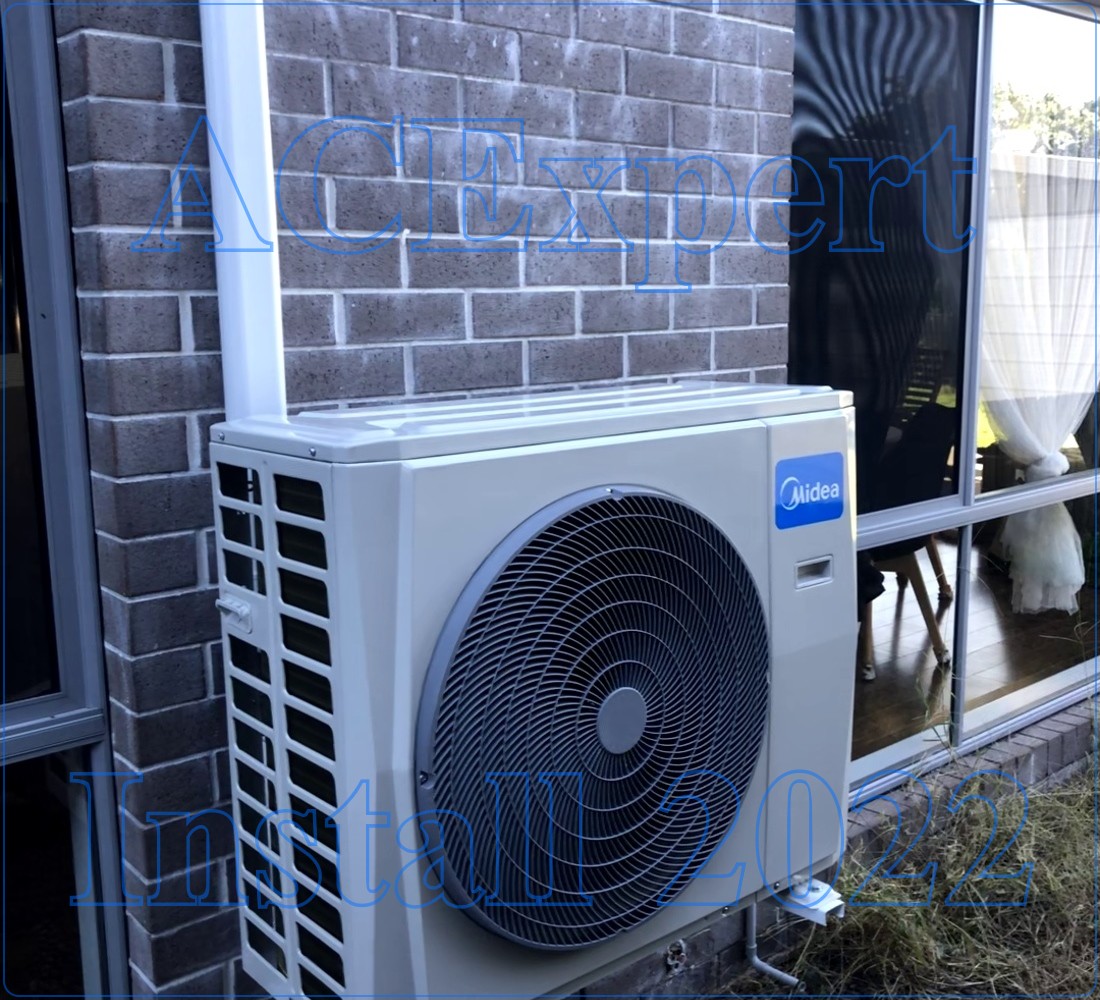
When you run any forced-air system, it pulls in dust, dander, and fur. If your filter is dirty, those particles either pile up in the ductwork or get recirculated. Pets with allergies (yes, they get them) can develop skin issues or respiratory problems. AS/NZS 1668.2 covers air handling in buildings, but for homes, the practical rule is: use a filter with a MERV 8 or higher rating for pet households. Washable electrostatic filters work well, though you need to rinse them monthly. Disposable pleated filters are even better – they catch more fine particles. Just check your system’s static pressure rating; too high a MERV can restrict airflow, which is worse than a dirty filter because it damages the compressor. There are less problems with split systems because the filter is right in the indoor unit and easy to access.
Pet Dander and Humidity
Dander sticks to surfaces more when humidity is high. In Queensland’s winter, indoor humidity can still be 50–65%. Running the heater helps lower it, but only if the system runs long enough. That’s why a properly sized reverse cycle unit is key – it dehumidifies as it heats. If you’re using a gas heater, the combustion adds moisture, which isn’t great for pets with asthma. Stick to reverse cycle for true pet-friendly heating winter comfort.
Tips for Keeping Pets Warm Without Overheating the Whole House
Zone Heating and Timers
Instead of heating every room, heat the areas your pet uses during the day and at night. A programmable timer on your split system can warm the living area an hour before your dog gets up, then switch to a lower setting when you leave. At night, a small heater in the bedroom (or a heated pet bed) is enough. This saves energy and keeps the air fresh – no stuffiness.
Safe Heat Sources
Pets chew cords, lick hot surfaces, or knock things over. Ensure any portable heater has tip-over protection and a cool-touch exterior. For split systems, the indoor unit is wall-mounted and out of reach. Ducted vents on the floor can collect fur – vacuum them weekly. Never use a portable gas heater in a closed room with a pet; the carbon monoxide risk applies to all mammals.
Bedding and Insulation
A thick, washable bed placed away from drafts works wonders. Some owners use a pet-safe heated pad under the bedding. Combine that with a low fan speed on the split system to circulate gentle warm air without blowing directly onto the animal. That’s true pet-friendly heating winter common sense.
Maintenance Tips for Winter Heating With Pets
Clean Filters Weekly
Set a reminder every Sunday. Remove the filter, vacuum it, and wash if washable. Let it dry completely before reinstalling. A clogged filter makes the system work harder, uses more power, and spreads dander. If you’re unsure how, check your system’s manual or call a tradie. And yes, even if you’re a tradie, you’ve seen filters that look like a shag carpet – don’t let yours get that bad.
Check Outdoor Unit Clearance
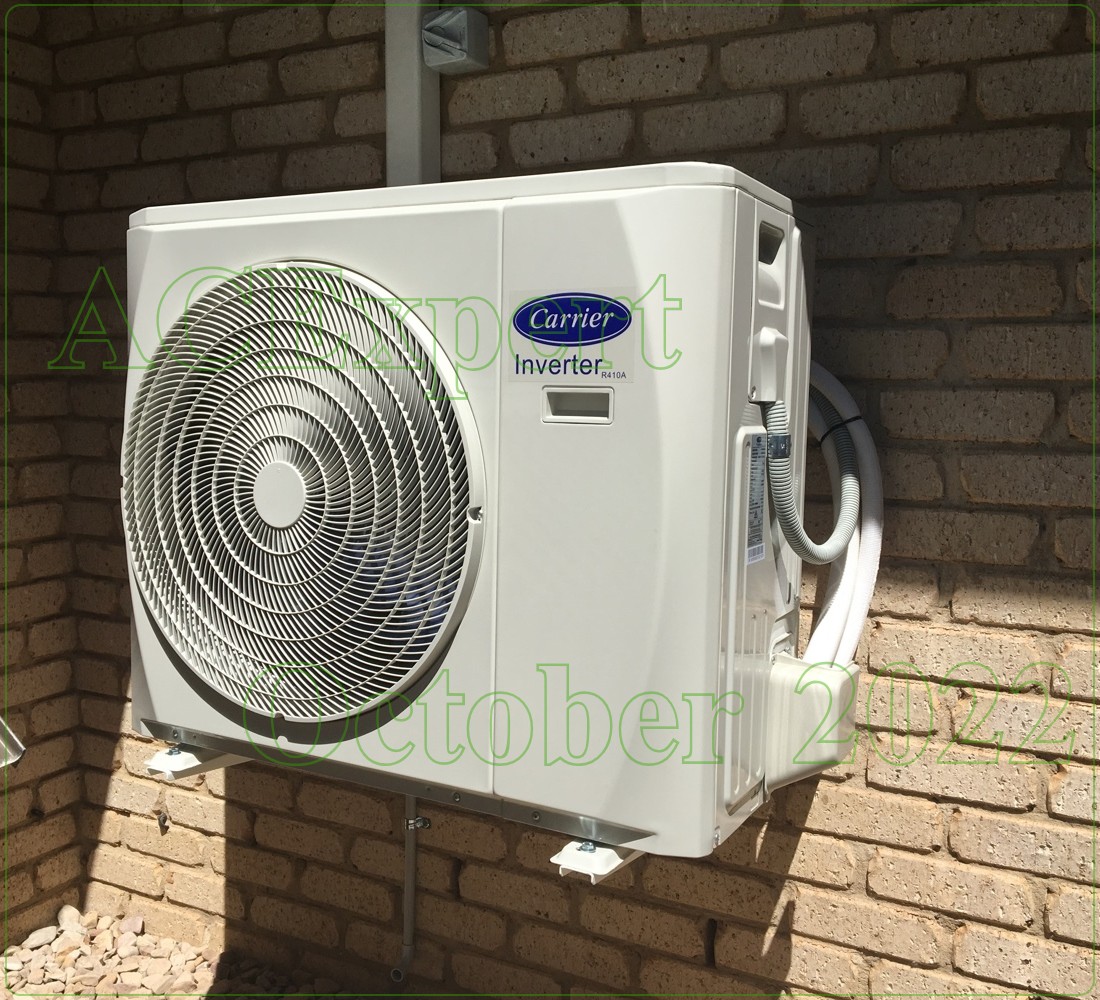
In winter, leaves and debris accumulate around the outdoor condenser. Keep it clear for airflow. Pets sometimes sleep near it because it radiates warmth, but that can block the airflow and damage the unit. Fence it off if needed.
Inspect Ducts
If you have ducted heating, get a professional inspection every two years. Pet hair can accumulate in bends and reduce efficiency. If you notice a burning smell or uneven heating, it’s time to investigate.

Final Practical Advice for Queensland Pet Owners
Winter heating with pets doesn’t have to be a battle between comfort and air quality. Focus on good filtration, appropriate system sizing, and smart zone control. A pet-friendly heating winter plan keeps your animals warm, your bills reasonable, and your indoor air breathable for everyone – including you. If you’re in Brisbane and need a qualified technician to check your system, clean the filters, or recommend a better set-up, get a free quote through the site. We’ll connect you with a local tradie who understands both ARC ticks and the fine art of keeping a golden retriever happy.
.jpg "Pet-Friendly Heating Winter Guide: Warmth for Queensland Pets")