




When you’re planning a new build in Queensland, heating might not be the first thing on your mind. But winter mornings in the southeast can bite – indoor temperatures often drop below 15°C in uninsulated rooms. Designing your new build heating winter Queensland from the start saves you from expensive retrofits and gives you a system that actually works with your home’s envelope. This article walks through the key decisions for homeowners and the technical details tradies need to get right.
new build heating winter queensland
Why Heating Matters in Queensland New Builds
Queensland’s climate is subtropical, but winter temperatures in Brisbane, Ipswich, and the Darling Downs frequently fall below 10°C overnight. A well-designed heating system isn’t just about comfort – it’s about avoiding condensation, mould, and heat loss through poor insulation. The National Construction Code (NCC) and AS/NZS 4859 require minimum insulation levels, but many spec homes still miss the mark. New build heating winter Queensland should be considered during the architectural design phase, not after the slab is poured.
Passive solar design – north-facing living areas, thermal mass, and shading – can reduce heating loads by 30% or more. But even the best passive design needs a backup heater for those cloudy July mornings. That’s where system choice matters.
Forgetting to plan heating in a new QLD home is like wearing thongs to a hailstorm – you’ll regret it.
Choosing the Right Heating System
There are several options for new build heating winter Queensland, each with trade-offs in cost, efficiency, and comfort.
Reverse Cycle Split Systems
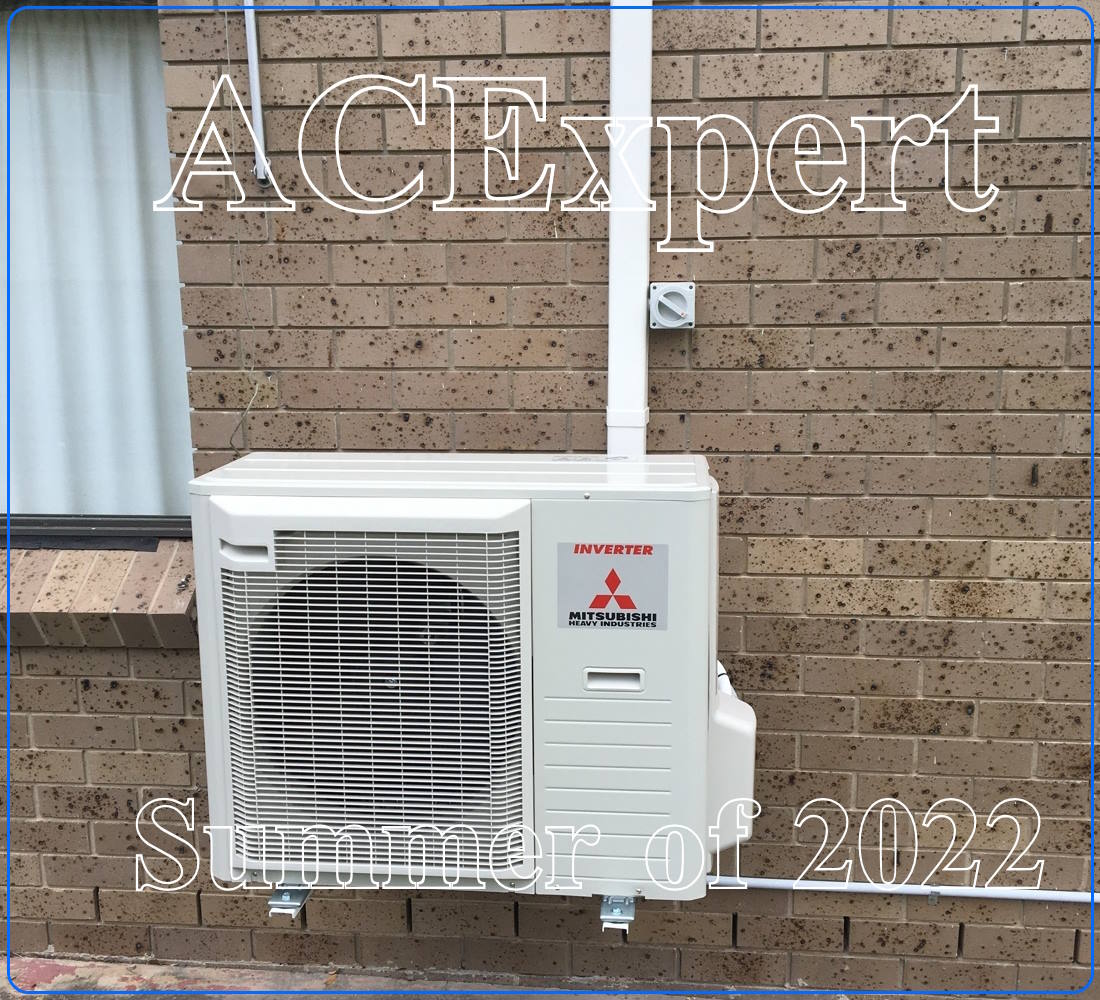
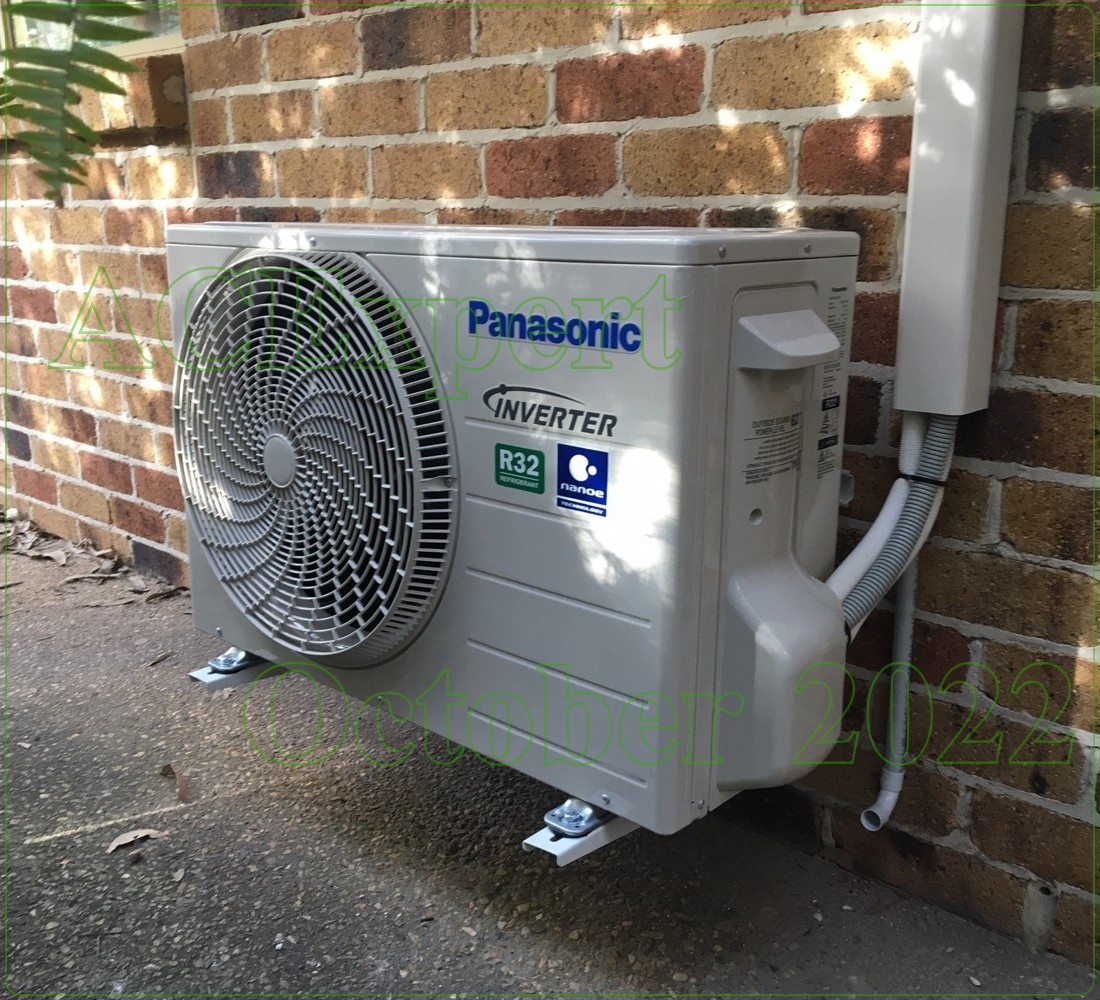
The most common choice. Modern inverter-driven splits deliver efficient heating even when outdoor temps drop to 0°C. For a new build, you can plan the indoor head location and run refrigerant lines through the walls – much cleaner than retrofitting. A 2.5kW to 3.5kW unit handles a typical bedroom or open-plan living area in a well-sealed home. Always get a load calculation (Manual J or similar) to size correctly. Oversizing leads to short cycling and poor dehumidification in summer.
Ducted Reverse Cycle
Ideal for larger homes with multiple zones. Ducted systems hide the indoor unit in the ceiling space, with flexible ductwork feeding registers in each room. Zoning lets you heat only occupied areas, saving energy. But duct design is critical – high pressure losses or pinched ducts reduce efficiency. AS/NZS 4254 covers ductwork installation. For Queensland’s humidity, ensure insulation on ducts is R1.0 or better to prevent condensation in the ceiling cavity.
Hydronic Heating
Hydronic (in-slab or panel radiators) is rare in Queensland but gaining popularity in high-end builds. It runs off a heat pump or gas boiler. The thermal mass of slab heating works well with solar PV – store heat during the day, release at night. However, installation cost is high, and response time is slow. Not ideal for mild winters where you only need heat for a few hours each morning.
Gas Heating – Declining but Still Used
Flued gas heaters or gas ducted systems are still installed in some new builds, but the trend is away from gas due to rising network costs and emissions targets. Also, gas requires an ARC tick for handling refrigerant? No – gas doesn’t use refrigerant. But any work on gas appliances needs a gas fitter licence. From a design perspective, gas systems need flues and combustion air, adding complexity.
Design Stage Considerations That Make or Break Comfort
Too many new homes end up with a system that’s too small, poorly ducted, or fighting against thermal bridging.
new build heating winter queensland — what matters
Thermal Envelope and Insulation
Insulation is the single biggest factor for heating efficiency. Ceiling insulation to R4.0 or R5.0, walls to R2.0 minimum, and double glazing on south-facing windows. AS/NZS 4859 sets the standards, but builders often try to cut corners. A 6kW unit in a poorly insulated brick veneer will never keep the house warm – it’s a losing battle before you turn it on.
Ductwork Design for Queensland Conditions
Flexible ducts are common but easily crushed or kinked. Use rigid duct where possible, or install flexible ducts with proper supports to maintain airflow. Ensure ducts are sealed – leakage can waste 20-30% of heat. And don’t forget the return air path; a new home with sealed doors needs a dedicated return grille or undercut doors to allow air flow.
Load Calculations – Don’t Guess
Every new build should have a heating and cooling load calculation performed – not just a rule-of-thumb like “3kW per bedroom”. Use software like Hvac-Calc or Cool Calc. This ensures the unit is sized correctly for the actual insulation, window area, and orientation.
Regulatory and Licensing Requirements
Installing heating systems in Queensland requires adherence to Australian standards and state regulations.
- ARC tick (Refrigerant Handling Licence) – Required for anyone installing or servicing split systems and other refrigerant-based equipment. Without it, you can’t buy refrigerant or legally work on the system.
- QBCC Licence – For ducted or complex installations, the contractor must hold a QBCC contractor’s licence in the appropriate class (e.g., Air Conditioning and Mechanical Services).
- AS/NZS 3000 (Wiring Rules) – Electrical work must be done by a licensed electrician.
- BCA Compliance – The system must meet energy efficiency provisions (Section J). For example, duct insulation and sealing requirements.
Homeowners should ask their installer for copies of these licences and warranty documents before work begins. Tradies – make sure your ARC tick is current; the transition to lower-GWP refrigerants (like R32) is already here and affects your service procedures.
Winter Maintanence Tips for New Homeowners
Even though your system is brand new, a little care will keep it running efficiently through its first winter. Check and clean the filters every month – a clogged filter restricts airflow and wastes power. If you have a ducted system, inspect the ceiling cavity for any dislodged ducts or crushed sections. And if the outdoor unit is installed on a ground pad, keep vegetation clear for airflow.
One minor thing many miss: set the thermostat to a consistent temperature (around 20-21°C) rather than cranking it up and down. Inverter systems are most efficient when they run steadily.
Queensland winters are mild, they still require effective heating – don’t assume you can get by without it. A well-planned system at the design stage delivers years of comfort without high running costs.
If you’re in Brisbane and need a qualified technician to help design or install your new build heating winter Queensland system, get a free quote through the site.
.jpg "New Build Heating Winter Queensland: Design for Comfort")