




When winter hits South East Queensland, the morning chill can cut through even the best insulation. Homeowners often ask whether ducted or split system heating is better for those cold spells. The answer isn’t one-size-fits-all — it depends on your home, budget, and how you like to heat the rooms you actually use. This article unpacks the ducted vs split heating winter debate with honest trade-offs for Queensland homes.
Understanding Your Heating Options in SE QLD
Most modern air conditioners in Australia are reverse cycle, meaning they provide both cooling and heating. For a ducted vs split heating winter comparison, both systems use the same basic technology: a compressor moves refrigerant to extract heat from outside air (even when it’s cold) and pump it inside. The difference lies in how that heat is distributed.
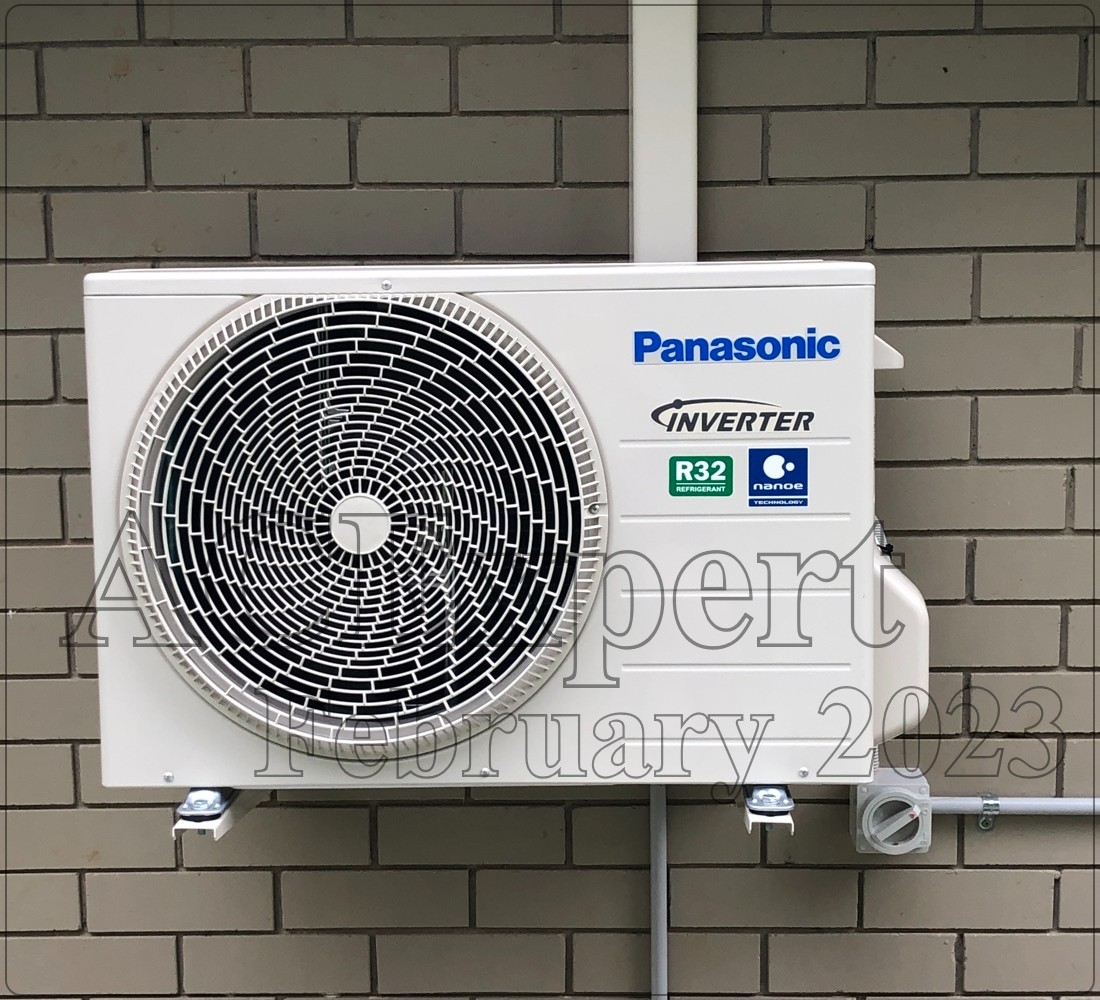
Ducted systems have a central outdoor unit connected to a network of ducts running through your ceiling or underfloor. Air is pushed into each room via registers. Split systems have an outdoor unit and one indoor head per room (or one multi-head unit feeding up to five indoor units). In SE QLD, where winters are mild compared to Tasmania, the choice often comes down to upfront cost versus zoned comfort.
Ducted Heating: The Whole-Home Approach
Ducted reverse cycle heating can warm every room in your house — including hallways, bathrooms, and walk-in robes — from a single thermostat. That sounds luxurious, but it comes at a price.
Pros
- Whole-home coverage: No cold spots if ducts are well-designed.
- Aesthetics: No bulky indoor units on walls; only subtle ceiling vents.
- Zoning options: Modern systems allow you to heat only the zones you’re using, saving energy. But zoning adds cost.
- Quieter indoors: The noisy compressor stays outside.
Cons
- High upfront cost: A properly installed ducted system for a typical 200m² home runs $8,000–$15,000 depending on zones and brand.
- Efficiency loss: Even with insulated ducts, you lose heat through the ductwork — especially in poorly sealed ceiling cavities. In SE QLD’s humid summers, ducted cooling can also struggle with moisture if not sized right.
- Inflexible zoning: If your home has an open-plan layout, zoning might not help much. You end up heating large areas whether you need to or not.
- Maintanence: Ducts need cleaning every few years; filters need regular attention. A dirty build-up of dust and mould is common in humid climates.
I once crawled through a ceiling in Toowoomba where the previous installer had used flex duct that looked like a bloated possum in a ceiling cavity — crushed, kinked, and leaking more air than a politician at a fundraiser. Get a proper design.
Split System Heating: Room-by-Room Control
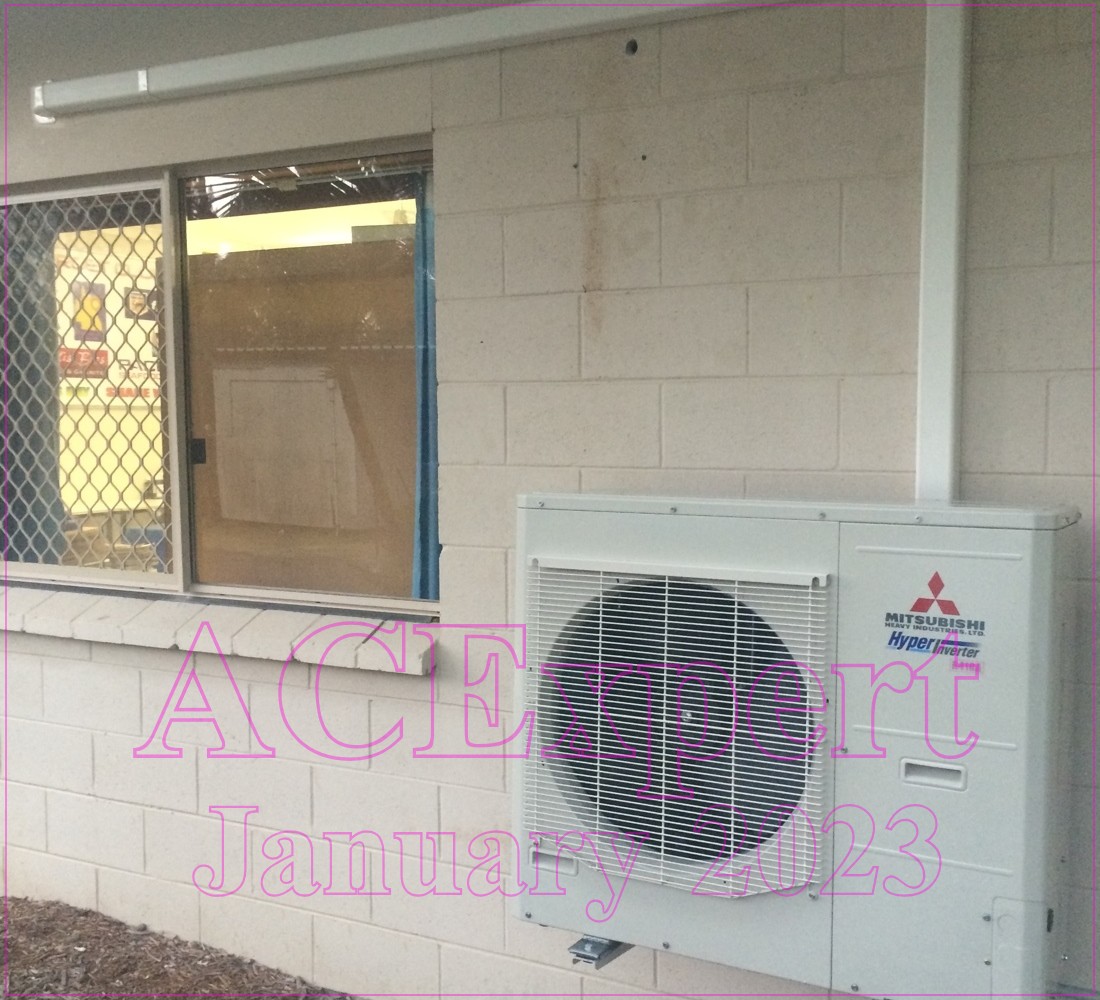
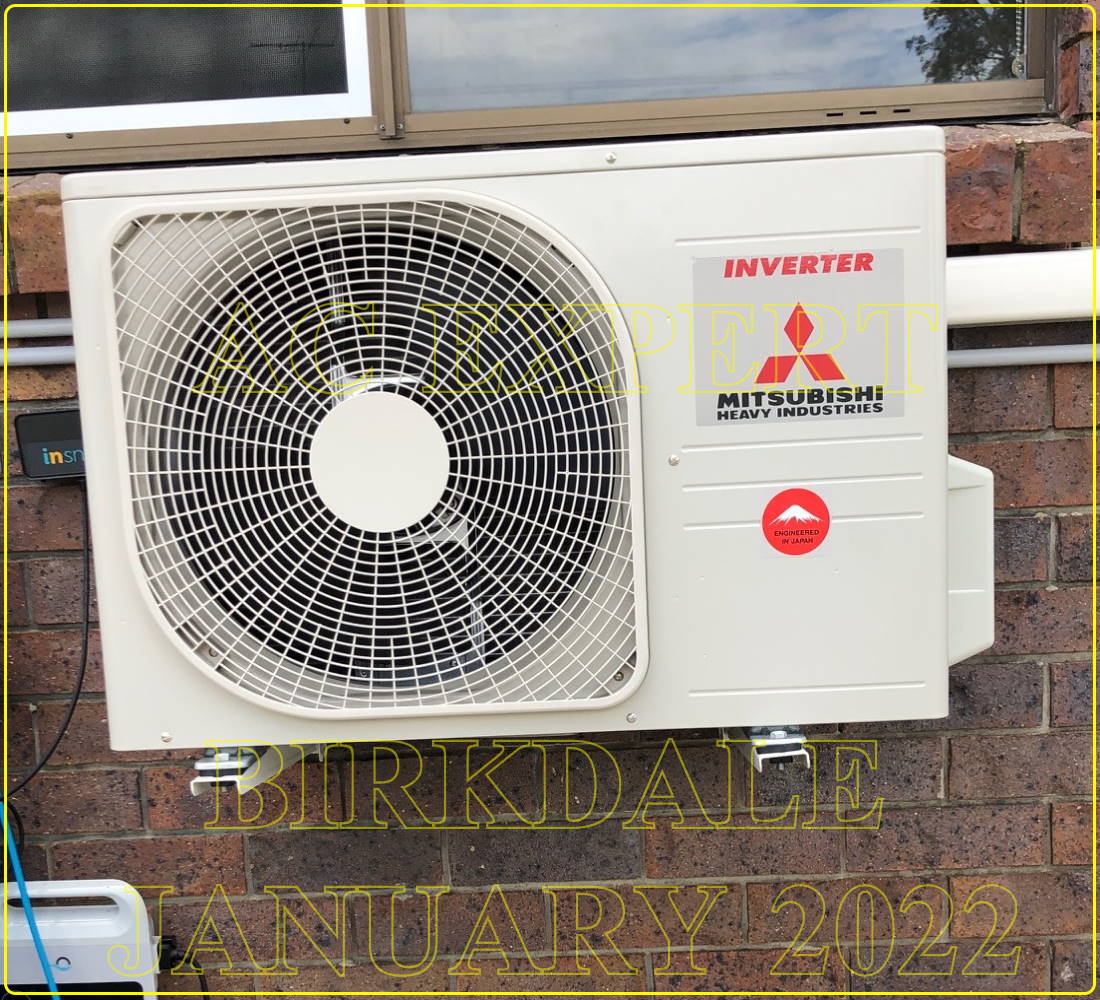
Split systems use a separate outdoor unit for each indoor head (or one outdoor unit for a multi-head setup). They’re the default choice for most Queensland homes that aren’t building from scratch.
Pros
- Lower upfront cost: A quality 3.5kW reverse cycle split costs around $600–$1,200 installed. You can add rooms over time.
- Energy efficient for targeted use: Heat only the room you’re in. No waste heating unused zones.
- Individual thermostat: Each room gets its own temperature control — great if one person likes 18°C and another 22°C.
- Easy installation: No ductwork; just a refrigerant line between indoor and outdoor units. Less risk of the installers leaving a gaping hole in your ceiling.
Cons
- Visual impact: White plastic boxes on walls — not everyone’s cup of tea.
- Multiple outdoor units: Each split needs its own condenser pad or bracket. For a multi-head, you get one outdoor unit but lose individual fan speed control per room (usually just on/off per head).
- Less even coverage: Heat tends to stay high near the ceiling in a room with a high ceiling. Ceiling fans on reverse spin help mix it down.
- Complex multi-head installations: Multi-head splits need careful refrigerant charge balancing; if you run one head while the others are off, the system can short-cycle. A good installer knows this.
As a homeowner, the choice between ducted and split can be confusing because both work well for reverse cycle heating. The key is matching the system to your home’s layout and your daily use patterns.
Cost Comparison: Upfront, Running, and Long-Term
Let’s put numbers to the ducted vs split heating winter decision. Assume a typical 200m² Brisbane home with four bedrooms, a living area, a kitchen/dining.
- Ducted installation: $10,000–$14,000 for a branded system with 3–4 zones. Running cost for a moderately sized unit (14kW heating) on a cold winter weekend (6am–10am and 5pm–9pm) might be $4–$6 per day in electricity, assuming standard tariff.
- Split system installation: $600–$1,400 per room. For the same home with 5 indoor units, total installed cost $3,000–$7,000 depending on brand and routing. Running cost per split (3.5kW heating) in the living room for same hours: about $1.50–$2 per day. Heat two bedrooms and living: $4–$5 per day.
So upfront, splits win. But if you always heat all rooms, ducted can be slightly more efficient on a per-square-metre basis because one large compressor runs at a higher coefficient of performance than multiple small ones. However, in SE QLD winters, you rarely heat every room. Most people only heat the living area and maybe one bedroom. That makes split systems far cheaper to run.
Comfort and Zoning Trade-Offs
Comfort is subjective, but a few technical points matter.
Zoning with ducted
Modern ducted systems allow you to close off zones via motorised dampers. But here’s the catch: if you shut too many zones, the air conditioner faces high static pressure — less airflow, lower efficiency, possible frost buildup on the coil. Designers should ensure at least two zones are always open or include a bypass damper. Many installations skimp on this, leading to short-cycling and poor heating.
Individual control with splits
With splits, you run exactly what you need. A good multi-head system lets you set each head to heat or cool independently, but the outdoor unit must modulate its capacity to match. Cheaper multi-heads just cycle on and off — fine for heating but less efficient.
One often overlooked factor: air distribution. Ducted systems can put supply vents in floor or ceiling. Floor vents are ideal for heating because hot air rises naturally. Ceiling vents need higher fan speeds to push warm air down, which can create drafts. Splits are always high on the wall or ceiling, so they rely on the Coandă effect (air attaches to the ceiling and drags down). That works well for cooling but not as well for heating unless the indoor unit has a ‘heat high’ setting.
Which One Wins for a Queensland Winter?
There’s no universal winner in the ducted vs split heating winter matchup — it depends on your circumstances. For most SE QLD homes, split systems offer the best value because you only heat the rooms you occupy, and the lower upfront cost leaves room for other upgrades like better insulation. Ducted makes sense if you’re building new, have a large open-plan design, or want the ‘whole-house’ feel without clutter.
If you’re retrofitting an existing home, start with a split in the main living area. Add another in the main bedroom next winter. That’s the cost-effective way to beat the chill.
Need help deciding? A qualified technician can do a heat load calculation for your home (per AS/NZS 4783). If you’re in Brisbane and need a qualified technician, get a free quote through the site.
.jpg "Ducted vs Split Heating Winter: Which Wins in SE QLD?")