


Choosing a split system air conditioner for your Brisbane home is a significant investment. Proper split system selection is the most critical step in ensuring you enjoy efficient, reliable comfort for years to come. If you choose the wrong unit, you may face higher running costs, uneven cooling, and a system that struggles on our hottest days. This guide cuts through the marketing jargon to give you the practical, trade-based knowledge you need to make a confident decision.
Why Your Home’s Unique Characteristics Dictate Split System Selection
Every home is different, and a one-size-fits-all approach to air conditioning simply doesn’t work. A professional installer doesn’t just look at the floor area; they assess the entire environment. This assessment is the foundation of effective split system selection.
Room Dimensions and Ceiling Height
The primary factor is the volume of space you need to condition, not just the square meterage. A room with a high cathedral ceiling, common in many Brisbane Queenslander homes, requires a more powerful system than a standard 2.4m ceiling room of the same floor area. Measure your room’s length, width, and height. This data is non-negotiable for accurate sizing.
Insulation and Window Exposure
How well your home holds in the cool air is crucial. Consider these factors during your split system selection process:
- Wall and Ceiling Insulation: A well-insulated home retains conditioned air far more effectively, meaning you can often use a smaller, more efficient system.
- Window Size and Orientation: Large north or west-facing windows introduce significant solar heat gain in Brisbane’s summer, increasing the cooling load on the system.
- Curtains and Blinds: Blockout curtains or external shading can reduce the strain on your air conditioner.
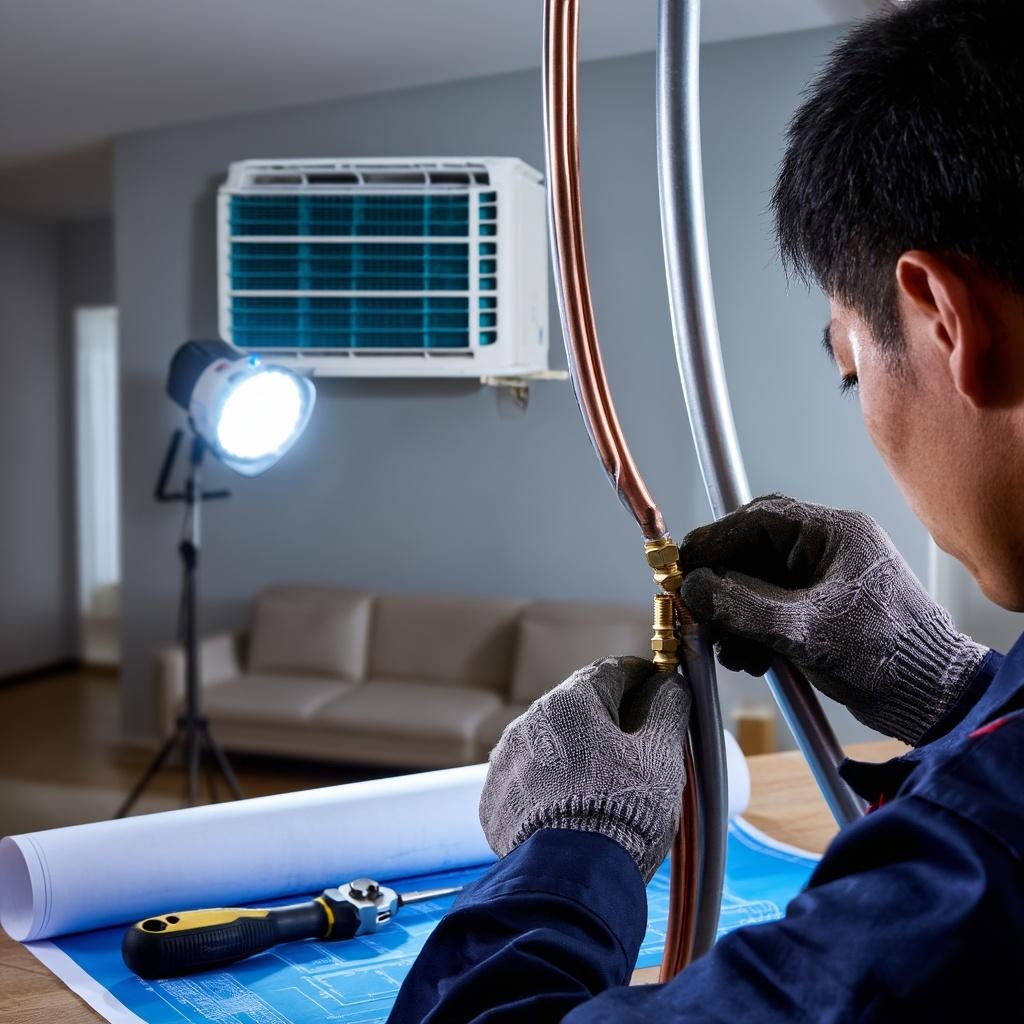
Household Occupancy and Usage
How the space is used changes the requirements. A home office used by one person has a different need than a living area that regularly hosts ten people. Each person adds a small amount of heat load. Similarly, a kitchen generates more heat than a bedroom. Think about typical daily use for each room you want to condition.
Getting the Capacity Right: The Science of Sizing
This is where expertise matters most. Air conditioner capacity is measured in kilowatts (kW). An undersized unit will run constantly without ever reaching the desired temperature, wasting energy and wearing out the compressor. An oversized unit will cool the room too quickly, then cycle on and off, leading to poor humidity control, temperature fluctuations, and higher power bills.
The Role of a Professional Heat Load Calculation
While online calculators give a rough idea, they cannot account for your home’s specific insulation, window type, or orientation. A qualified installer performs a detailed heat load calculation. This considers all the factors mentioned above to determine the precise kW capacity required. This calculation is the foundation of a successful, efficient installation.
General Sizing Guidelines for Brisbane

As a rough, indicative guide for a standard home with average insulation:
- Small bedroom or study (up to 20m²): 2.5kW – 3.5kW
- Medium room like a bedroom or small lounge (20-30m²): 3.5kW – 5.0kW
- Large open-plan living area (30-45m²): 5.0kW – 7.0kW
- Very large or high-ceilinged space (45m²+): 7.0kW and above
Remember, these are estimates. Your home’s specifics might push the requirement higher or lower.
Brisbane’s Climate: Balancing Summer Cooling and Winter Heating
In Brisbane, we primarily buy air conditioners for cooling, but a reverse-cycle split system provides excellent heating during our mild winters. When performing your split system selection, consider your primary need. If heating is a major concern, especially in inland areas that experience colder nights, ensure the unit has a strong heating capacity. Modern inverter systems are highly efficient at both functions, but a trade professional can advise on models that perform optimally in our specific subtropical conditions.
Energy Efficiency and Long-Term Running Costs
The purchase price is just the beginning. The unit’s efficiency will impact your electricity bills for the next decade or more.
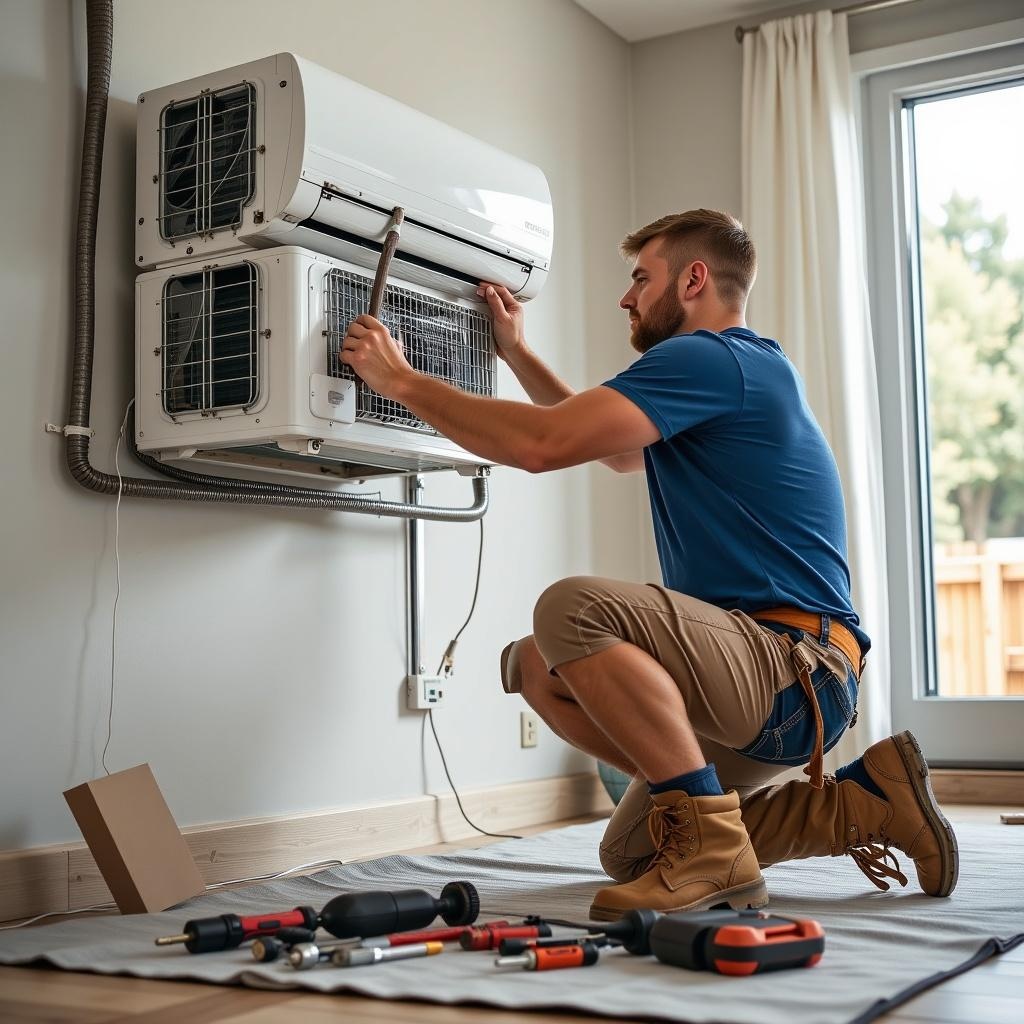
Understanding the Star Ratings
The Energy Rating Label shows two key numbers: cooling and heating efficiency stars. More stars mean greater efficiency. However, the star rating is relative to the unit’s capacity. A 5-star 2.5kW unit is more efficient per kW of output than a 5-star 7.0kW unit. Your installer can help you compare models of similar capacity to find the best efficiency for your budget.
Inverter Technology is Standard
All modern split systems use inverter technology. This allows the compressor to speed up and down smoothly rather than stopping and starting. This is far more efficient and maintains a more consistent temperature. We recommend avoiding non-inverter models.
Indoor Unit Types and Placement Considerations
While wall-mounted units are most common, your home’s layout might suit other types. Discuss these options with your installer during the split system selection phase:
- Wall-Mounted: The standard, cost-effective choice for most rooms.
- Floor-Standing: Useful for rooms with high windows or limited wall space.
- Ducted: For whole-of-home climate control, but involves a more complex installation with ceiling space requirements.
- Ceiling Cassettes: Often used in commercial settings but can suit large open-plan residential areas for discreet installation.

The placement of the indoor unit is critical for airflow and comfort. It should be positioned away from direct sunlight, clear of obstructions like curtains, and where the air can circulate freely across the room. The outdoor unit needs a stable, level base with adequate ventilation clearance and consideration for noise relative to neighbours and bedrooms.
Budgeting: The Unit, Installation, and Potential Extras
Your budget should cover three components:
- The Split System Unit: Prices vary significantly based on brand, efficiency, and capacity. Brands like Mitsubishi Electric are known for reliability and performance.
- Professional Installation Labour: This includes the electrical work, refrigerant piping, and secure mounting. A proper installation is not a DIY job; it requires a licensed electrician and a licensed refrigeration mechanic.
- Potential Extras: These can include additional piping length, an outdoor unit concrete slab or wall bracket, or a condensate pump if gravity drainage isn’t possible.
Always get a detailed, itemised quote that specifies the exact model number, all labour, and any additional materials. This prevents surprises and ensures you’re comparing apples with apples.
The Final Step: Trusting a Brisbane-Based Expert
With all this information, the final and easiest step is to engage a local professional. A Brisbane-based installer understands the climate, common home construction styles, and local council requirements. They will perform the heat load calculation, recommend the right system from trusted brands, and provide a firm quote that covers a seamless installation. This expertise turns a complex split system selection decision into a straightforward process, ensuring your home remains comfortable year-round without excessive cost.
If you’re ready to discuss your specific home’s needs, our team is here to help. Call us on 0420 718 827 for expert advice and a no-obligation quote tailored to your Brisbane property.
Related on this site
- <a
.jpg "A Practical Guide to Selecting Your Split System Air Conditioner in Brisbane")